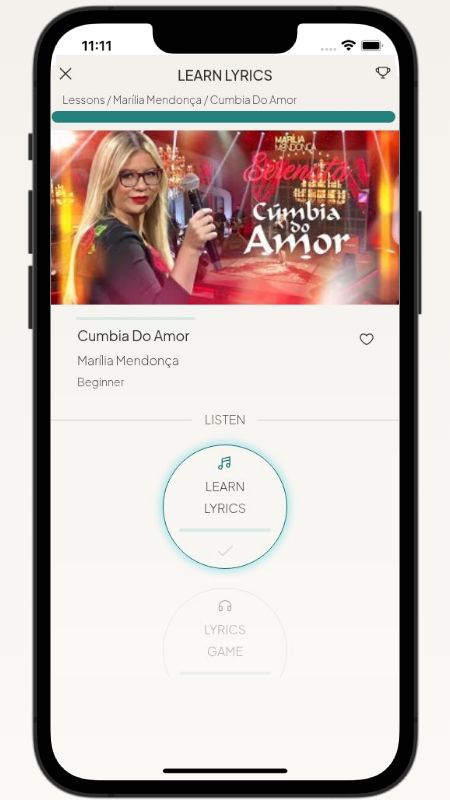
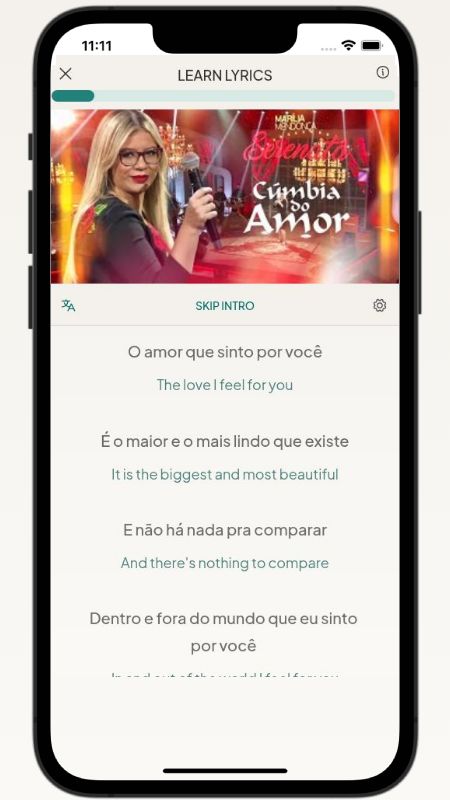
Cumbia Do Amor Lyrics in English by Marília Mendonça
Paixão translates to "passion" in English. While it might seem like a common word, its prominence and repetition in this song make it particularly impactful and central to the song's theme.
Marília Mendonça uses paixão to describe an overwhelming and intense love, emphasizing the depth of emotion the singer feels. The lyrics "O meu coração, cheio de paixão" (My heart, full of passion) highlight a powerful, all-consuming love that is both beautiful and captivating, making it an enticing word for learners.
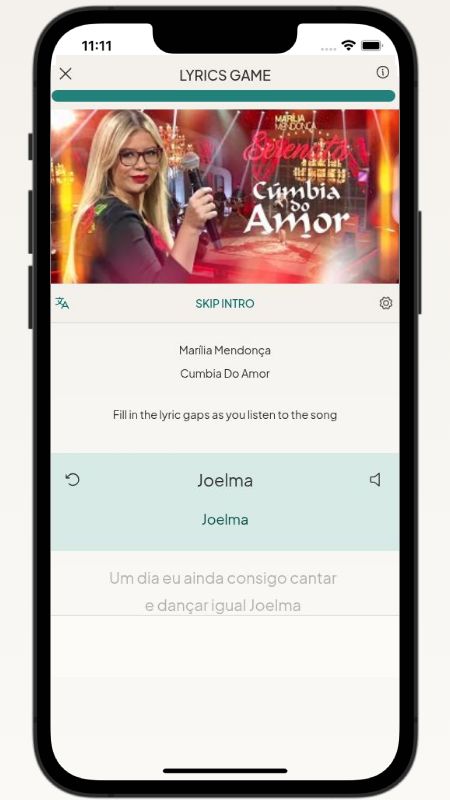
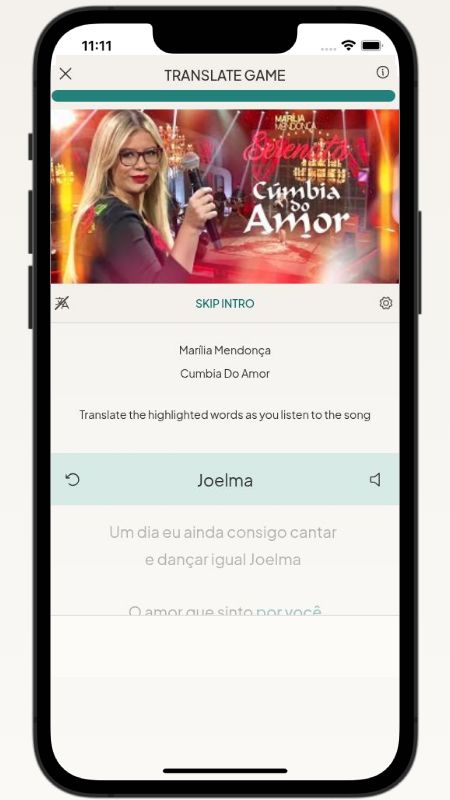
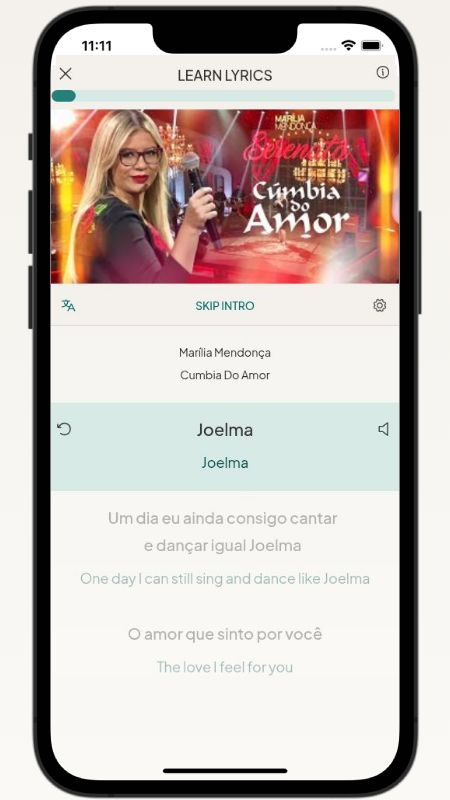
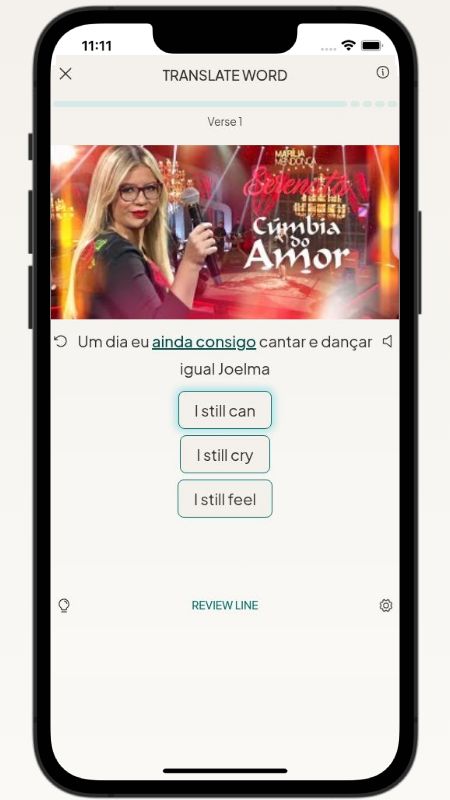
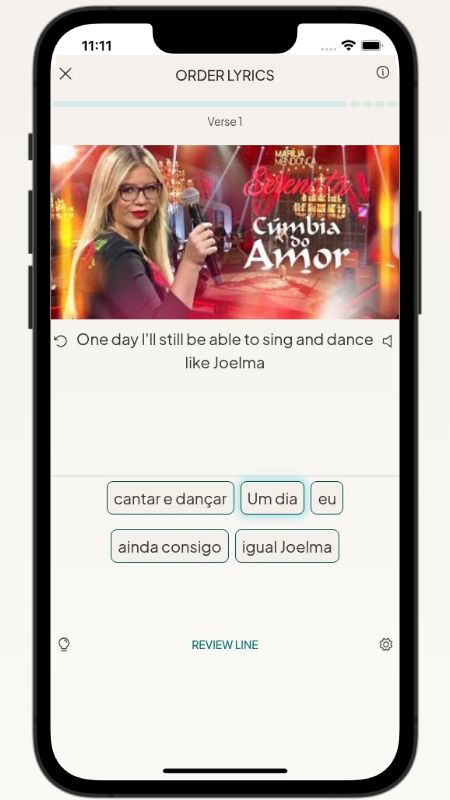
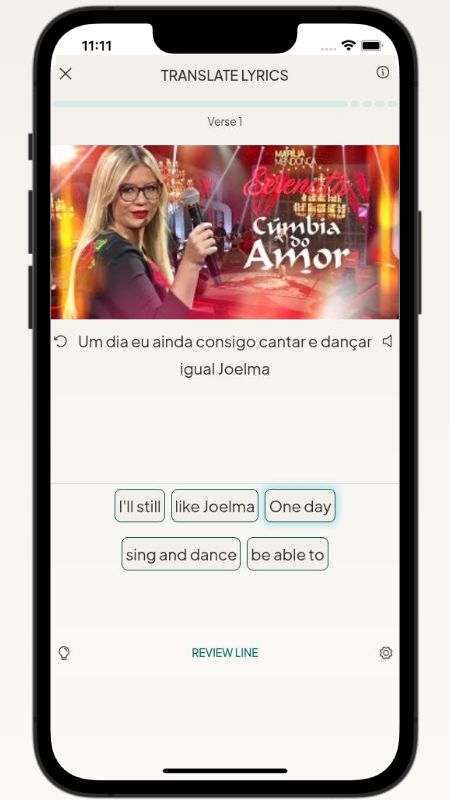
This song is a huge, joyful declaration of love! It kicks off with a fun and very Brazilian reference: "Um dia eu ainda consigo cantar e dançar igual Joelma" (One day I'll be able to sing and dance like Joelma). Joelma is another famous singer from Brazil, known for her incredible energy on stage. So right away, Marília Mendonça sets a playful, ambitious mood for this massive love song.
The feelings here are anything but small. She says her love is "o maior e o mais lindo que existe" (the biggest and most beautiful that exists) and that her heart, full of passion, "Grita teu nome onde quer que eu vá" (shouts your name wherever I go). It's the kind of love that feels like destiny, as she sings "Porque eu nasci pra viver com você" (Because I was born to live with you). The song also has these great personal shout-outs to "Juliene" and "Joelma," which makes it feel like you're right there at a live show with her, sharing in this powerful emotion.