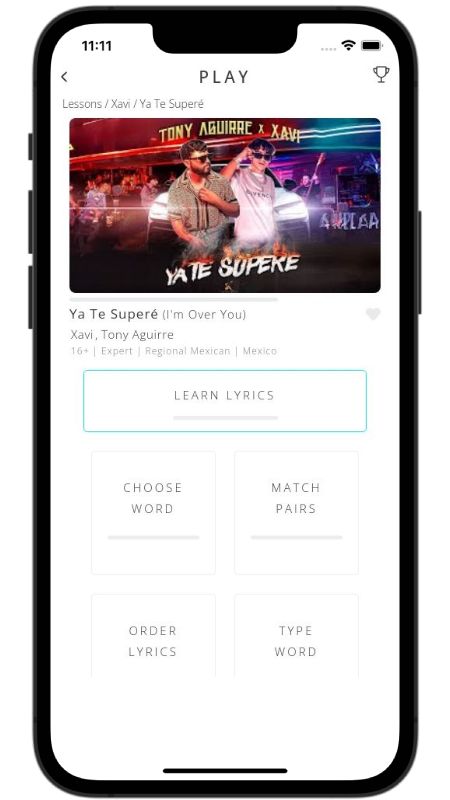
Ya Te Superé Lyrics in English by Xavi, Tony Aguirre
Ahogada literally means "drowned" or "suffocated." In the song, it's used in the idiomatic phrase "ahogada tú das patadas" (drowned, you kick).
This vivid image describes someone who is overwhelmed, struggling, and lashing out in desperation, much like a person drowning would kick to stay afloat. It perfectly captures the ex-partner's futile attempts to regain control or hurt the singer, highlighting the song's theme of moving on and the other person's lingering struggle.
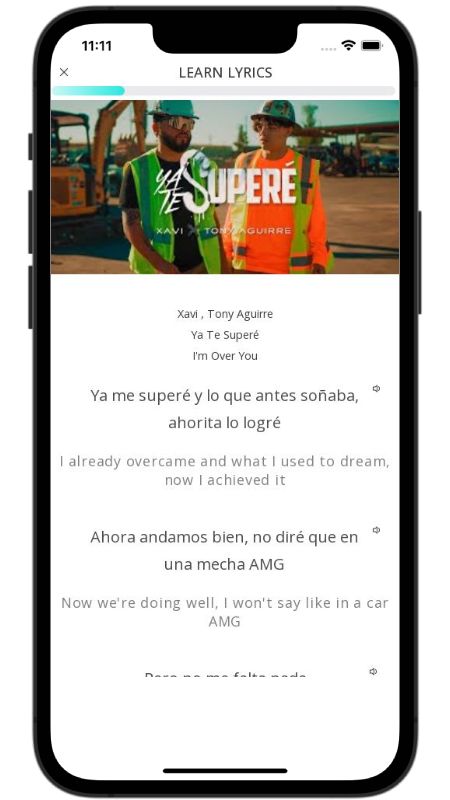
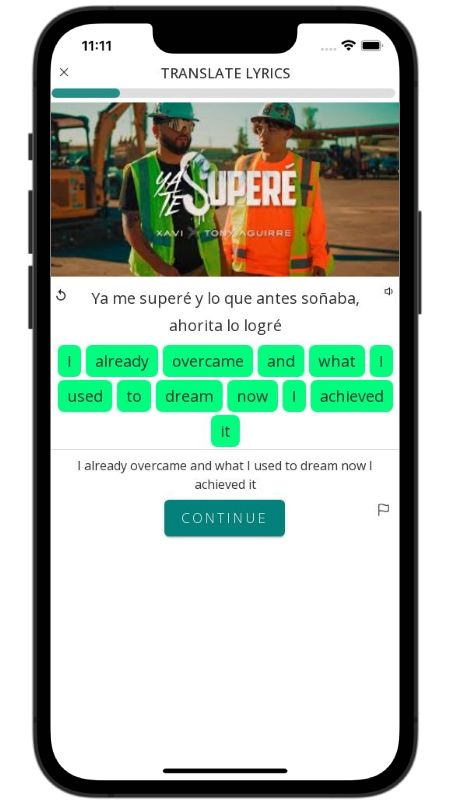
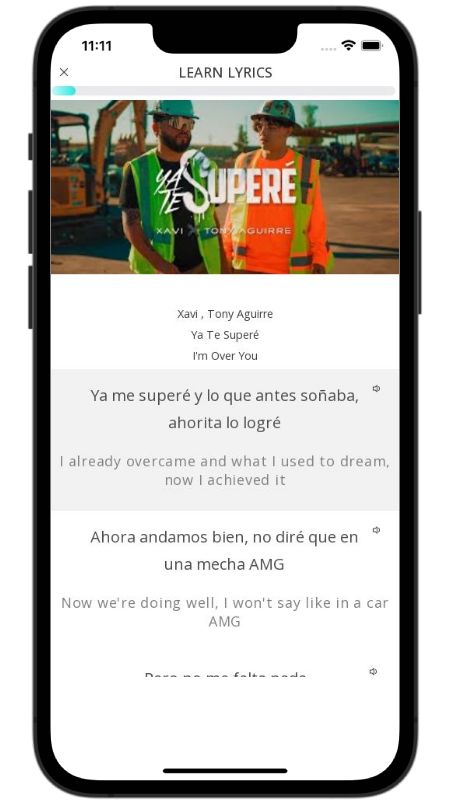
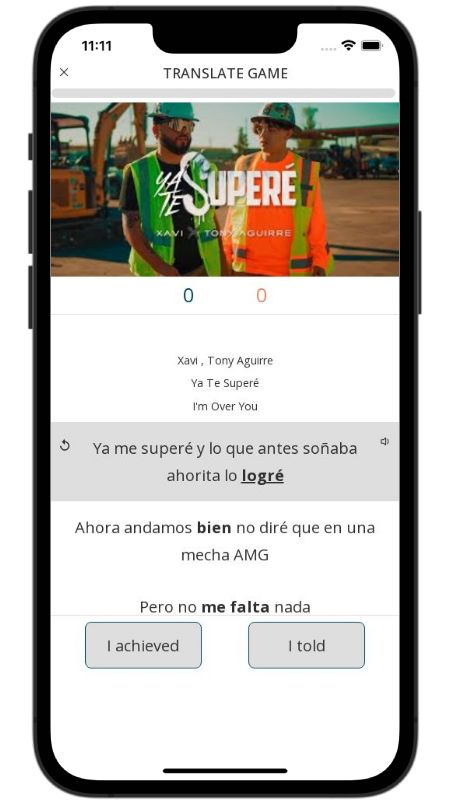
If you have ever wanted to tell an ex that you are doing just fine without them, "Ya Te Superé" brings that exact satisfaction. Mexican artist Xavi teams up with Tony Aguirre for a track about bouncing back and leveling up in life. Xavi keeps it real about his newfound comfort: he admits he is not cruising in a luxury Mercedes Benz ("no diré que en una mecha AMG" [I won't say in an AMG ride]), but he has food on the table, and that is plenty. It is an honest gloat aimed right at the girl who ignored his calls back when he was so broke he could not even buy a soft drink ("ni pa' una soda cargaba" [I didn't even carry enough for a soda]). Now she wants to come back, and he is happily shutting that door.
What makes the track hit home is the petty, eye-for-an-eye honesty. He admits he gave her a taste of her own medicine ("lo que te dolió es que te hice lo mismo que me hiciste a mí" [what hurt you is that I did the same thing to you that you did to me]). Xavi also drops a great everyday Mexican idiom when he tells her, "ahogada tú das patadas, pero ahora te aguantas" (drowning, you are kicking, but now you have to take it). It comes from the phrase dar patadas de ahogado (to kick like a drowning person), which describes someone flailing in desperation when they know they have already lost. Paired with a drink to forget her ("un traguito pa'l olvido" [a little drink for forgetting]), the song turns moving on into a victory lap.