Wer Kann Segeln Ohne Wind Lyrics in English by Santiano
Schicksal translates to "fate" or "destiny". It's a profound and evocative word that carries significant weight, especially in a song with such a melancholic and reflective tone.
In the context of "Wer Kann Segeln Ohne Wind", the line "Füge auch du dich dem Schicksal, mein Freund" (You too, submit to fate, my friend) emphasizes a sense of resignation and acceptance in the face of insurmountable circumstances. It's a powerful word that encourages contemplation about life's uncontrollable forces, making it memorable and thought-provoking.
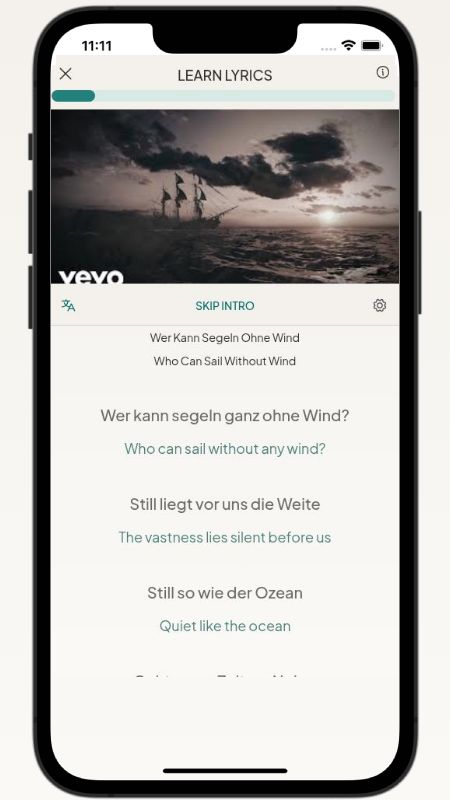
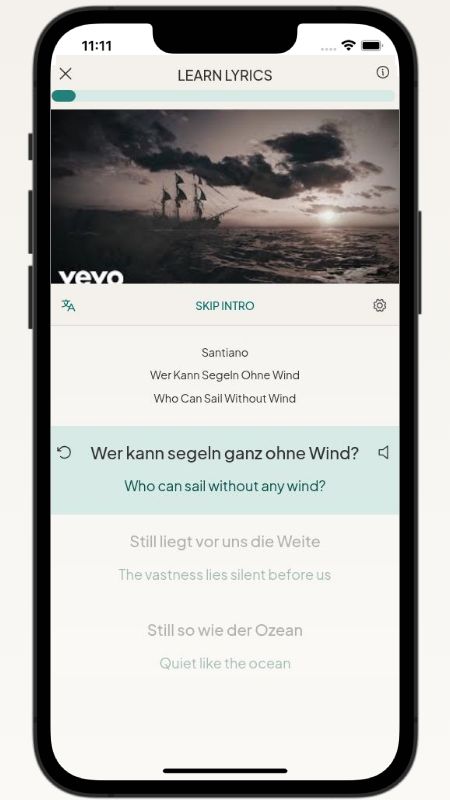
This song poses a big, difficult question right from the start: "Wer kann segeln ganz ohne Wind?" (Who can sail without the wind?). It uses the image of a ship stuck on a calm sea to explore a feeling of complete helplessness. The singer looks out at the still ocean and feels that "Geht unsre Zeit zur Neige" (Our time is running out).
Instead of fighting, the song suggests giving up. The advice is to "Nimm deine Hand vom Ruder" (Take your hand from the rudder) and simply accept your fate. It's a bleak message, suggesting that everyone on this journey has already surrendered. The lyrics say that everyone with them "Sich in sein Los ergeben" (has surrendered to their lot). The English chorus confirms this feeling, calling these the "days of sorrow".