Graubart Lyrics in English by Santiano
Graubart literally translates to "Greybeard". While it might seem like a simple descriptive term, in the context of this song, it's a powerful personification of a formidable force of nature.
Santiano, known for their sea shanties, uses "Graubart" to refer to a raging storm at sea. The lyrics describe "Wenn Graubart tanzt, erstarrt die Zeit" (When Greybeard dances, time stands still) and "Die Wand aus Wasser türmt sich auf" (The wall of water towers up), clearly depicting a terrifying tempest. This personification makes the storm feel like a living, ancient entity, making the word both unique and evocative.
"Graubart" means "greybeard", and in this song it is the name Santiano give to a storm at sea. The weather is a person here, an old man with a grey beard who turns up without warning and wants to fight.
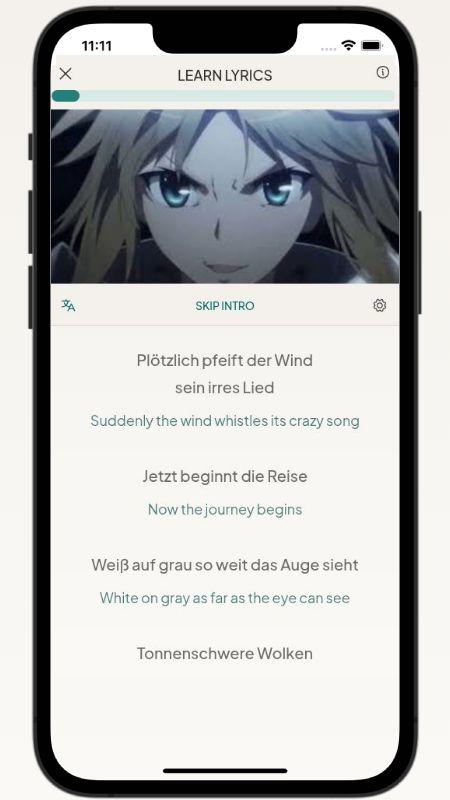
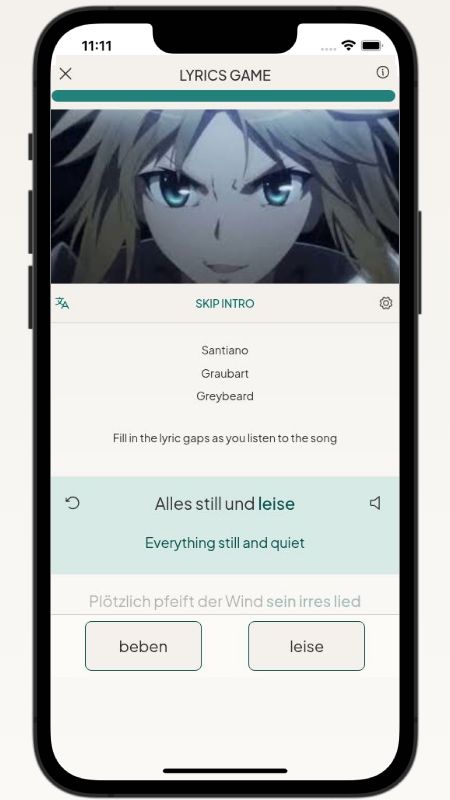
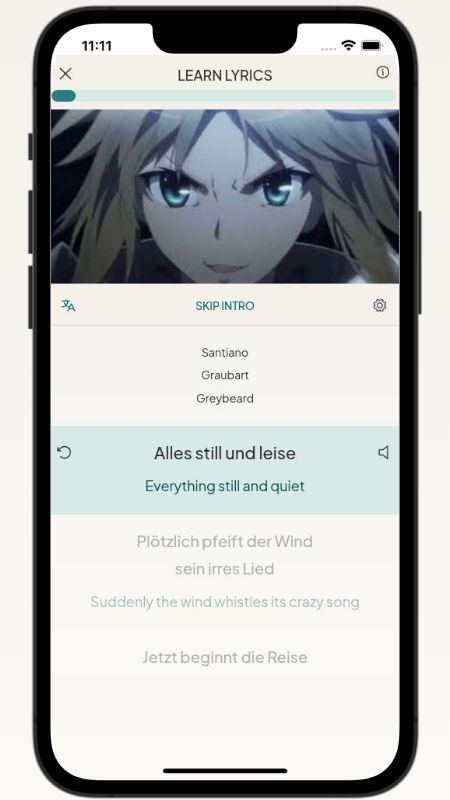
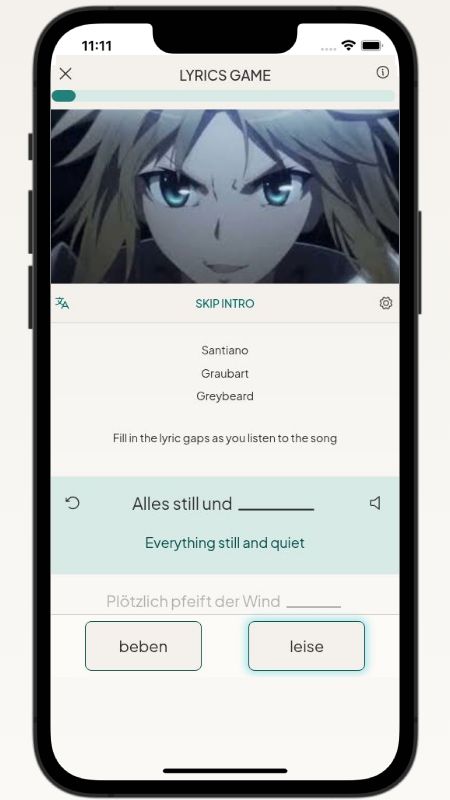
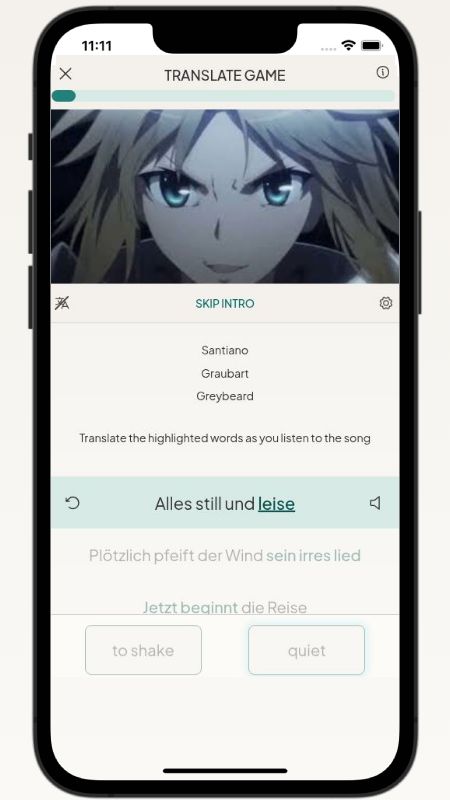
It starts calm. Everything is still and quiet, and then the wind begins to whistle its crazy song. Within a few lines the sky has gone white on grey as far as the eye can see, and clouds heavy as tons are throwing their shadows into the ring. That ring is not an accident. The band keep reaching for the language of boxing and dancing: the dance begins, show us what you have got, play us up, the better one wins.
The chorus is where the storm takes over. When Graubart dances, time freezes, and when he calls you, that is it. A wall of water climbs up and raises its fist at the sky, the rain lashes down, and hell is standing by, waiting.
But the crew are not asking for mercy. The planks are shaking and Graubart is showing his grim face, and the answer is simple: he wants our souls, but he is not getting them today. The song is less about being afraid of the storm than about squaring up to it and staying on your feet until it passes.