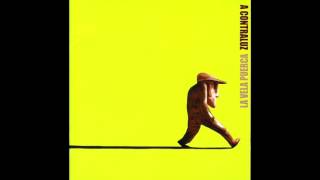
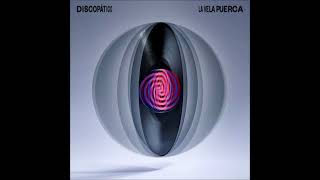
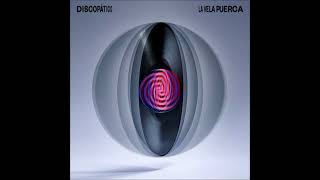
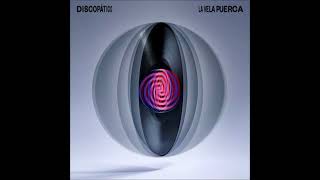
José Sabía Lyrics in English by La Vela Puerca
Jodido is a very common, yet versatile, slang term in Spanish that can mean 'screwed up', 'f***ed up', or 'difficult'. It's a strong word that adds a raw, authentic feel to the lyrics.
In this song, the phrase "Cuando todo parece jodido es cuando hay que poner" translates to "When everything seems screwed up, that's when you have to put in the effort." It captures a resilient spirit, suggesting that even in the toughest times, one must persevere and keep trying.
La Vela Puerca's "José Sabía" tells the story of José, a man who's been through a lot, especially in love. He knows that some loves "no pueden durar" [cannot last] and that "la vida es así, que te da sólo pa' quitarte" [life is like that, it only gives to take away]. You can almost see him walking into an alley, saying goodbye to any pleasure that might take away his bitterness. He's a regular at the bar, with a calloused elbow from leaning on the counter, holding onto faith, like someone who's fallen and is ready to get back up.
But this isn't a sad song about giving up! José is a survivor. He lifts "copas y copas al dolor" [glasses and glasses to pain], celebrating "el dolor de seguir vivo, que es lo bueno que tiene el dolor" [the pain of being alive, which is the good thing about pain]. He also toasts "al placer de ganar y perder" [to the pleasure of winning and losing]. The song has this great, defiant message: "Cuando todo parece jodido es cuando hay que poner" [When everything seems screwed up, that's when you have to put in the effort]. Even when he thinks he's forgotten love and was happy without it, a tear falls, showing there's still something there. But his friends encourage him, saying "No se me quede, José, por favor, alguna vuelta le vamo' a encontrar" [Don't stay down, José, please, we'll find a way around it]. It's a powerful anthem about resilience, finding strength even when things are tough, and the bittersweet nature of life.