Sin Ti (Remix) Lyrics in English by Jay Wheeler, Brytiago
Disfraz literally means "disguise" or "costume." It's a vivid and somewhat theatrical word that isn't as common in everyday conversation as more basic vocabulary, making it memorable.
In the song, Jay Wheeler uses it metaphorically to describe insincere promises: "Toda las promesas tuyas solo fueron un disfraz" (All your promises were just a disguise). This powerful imagery suggests that his ex-partner's words were not genuine, but rather a deceptive facade, adding a layer of betrayal to the song's narrative.
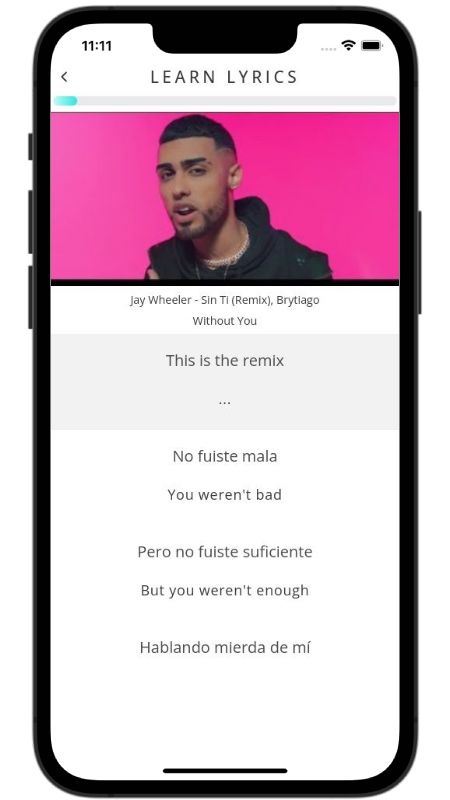
This is the ultimate anthem for anyone who has left a bad relationship and is thriving. Jay Wheeler starts by calling out his ex for talking trash about him: "Hablando mierda de mí / Eso me dice la gente" (Talking sh*t about me / That's what people tell me). He's not having it. Instead of being sad, he lists all the toxic things he had to endure, like her manipulative attitudes and jealousy. The song is his side of the story, and he's not holding back.
The best part is the powerful chorus, where he declares, "Aprendí a ser feliz / Sin ti, sin ti, sin ti" (I learned to be happy / Without you, without you, without you). This isn't about missing her; it's about realizing he's so much better off. He accuses her of playing the victim and being full of malice. The whole track builds to a final, decisive farewell with a whole section dedicated to saying "bye-bye" and erasing her from his life. It's a confident and blunt celebration of freedom.