Te Hice Una Balada Lyrics in English by Jay Wheeler, Robi
Aguantarte comes from the verb aguantar, which means 'to hold,' 'to bear,' or 'to put up with.' In this song, it's used reflexively and with a direct object pronoun, meaning 'to put up with you.'
Jay Wheeler sings, "Me duele más aguantarte, que dejarte ir" (It hurts me more to put up with you than to let you go). This powerful line reveals the deep pain of staying in a difficult relationship, making aguantarte a poignant and memorable word that captures the song's emotional core.
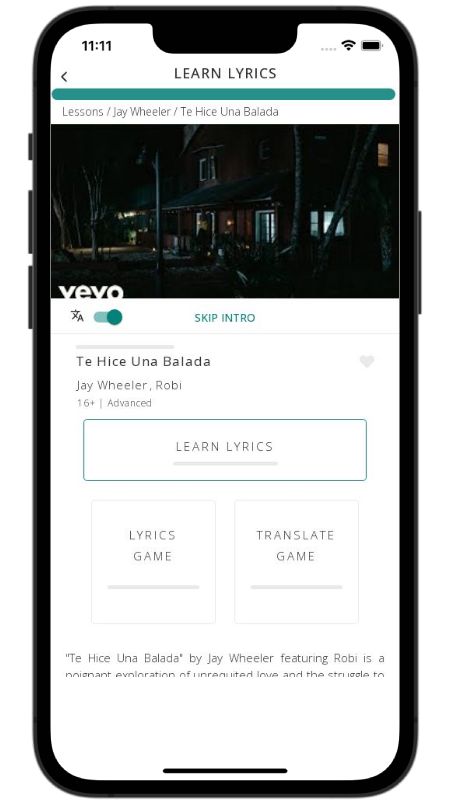
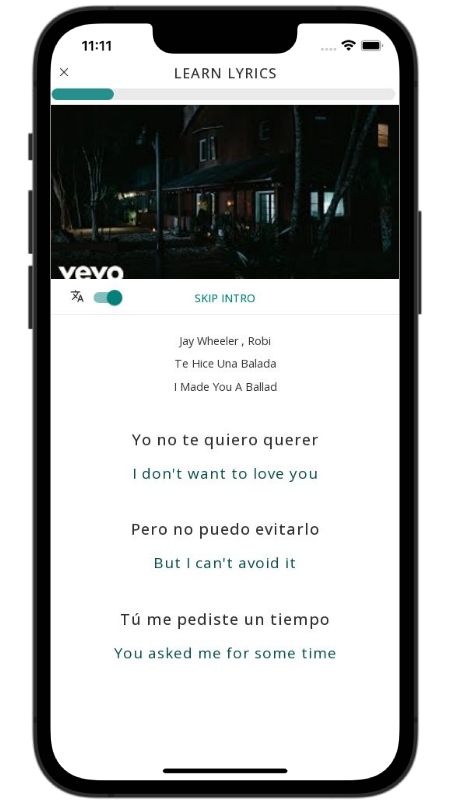
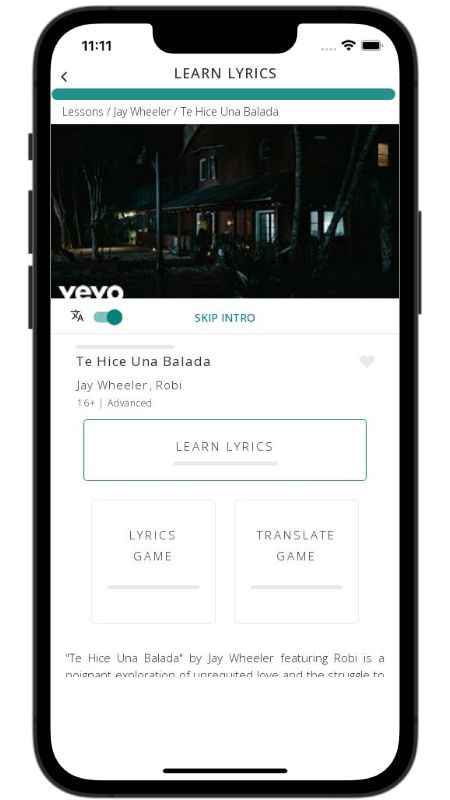
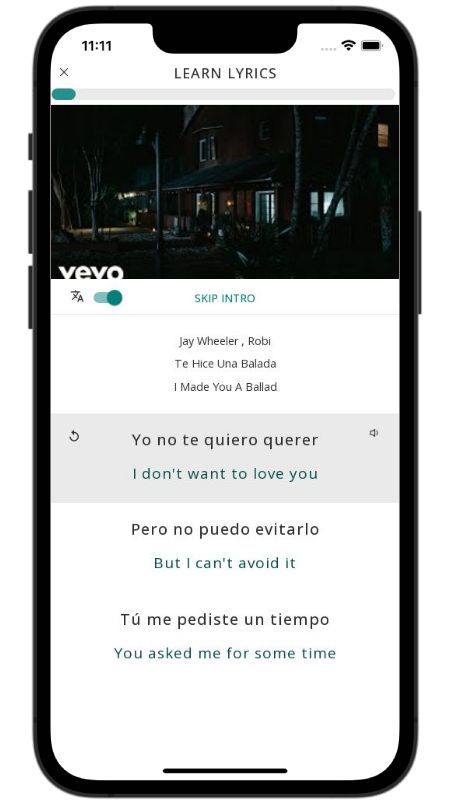
“Te Hice Una Balada” pairs Jay Wheeler’s smooth Puerto Rican vocals with Robi’s heartfelt touch to paint a vivid portrait of modern heartbreak. Over a gentle urban-pop beat, the narrator confesses that he tried all the classic post-breakup remedies—redownloading Tinder, going out with someone new, pretending everything is fine—yet every road leads back to the same place: the empty spot in his bed and in his life where his ex once was.
The lyrics are a raw inner dialogue filled with self-blame and longing. He wonders “¿Cómo reparar algo que constantemente sale mal?” and realizes that, no matter how many chances he has to start over, he would still choose the one who left. The song captures that bittersweet moment when you acknowledge the relationship was flawed, but your heart refuses to let go. Wheeler and Robi turn this emotional tug-of-war into a relatable anthem for anyone who has loved someone more than they loved themselves.