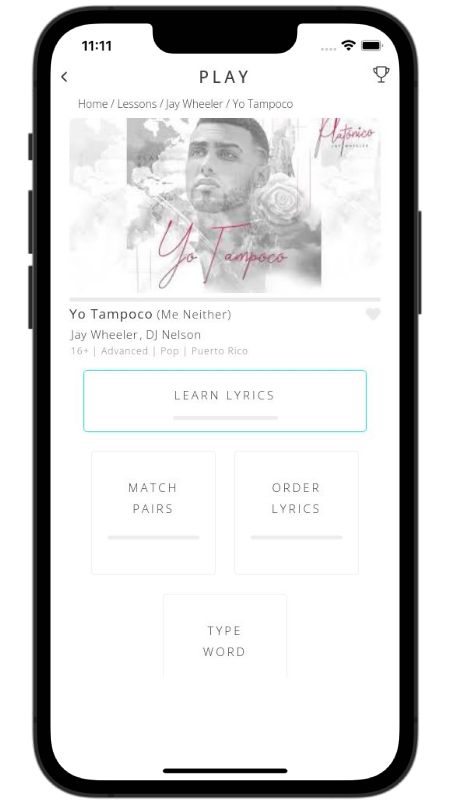
Yo Tampoco Lyrics in English by Jay Wheeler, DJ Nelson
Amarrada literally means "tied down" or "bound". While it can refer to physically tying something, in this song, it's used metaphorically to describe a feeling of being restricted or trapped in a relationship.
The lyric "No quieres estar amarrada" (You don't want to be tied down) reveals the partner's desire for freedom and independence, making it a key word to understand the song's theme of a relationship ending due to a lack of commitment.
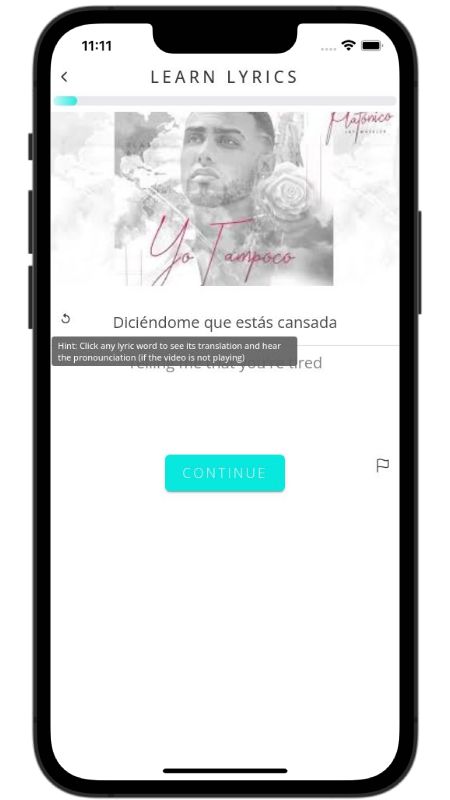
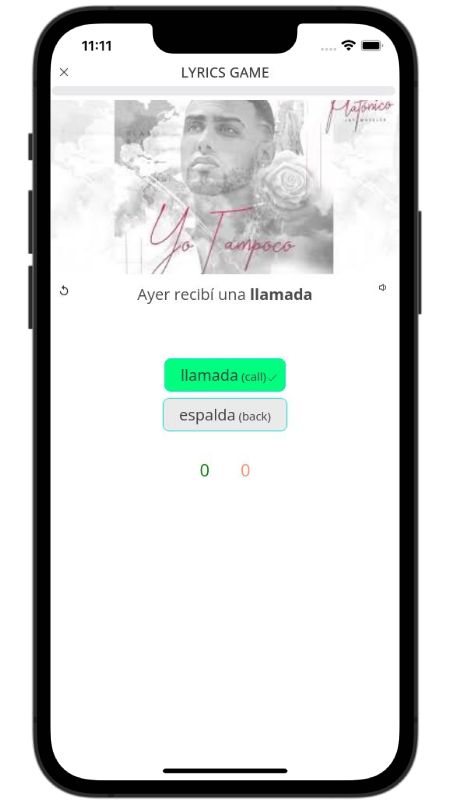
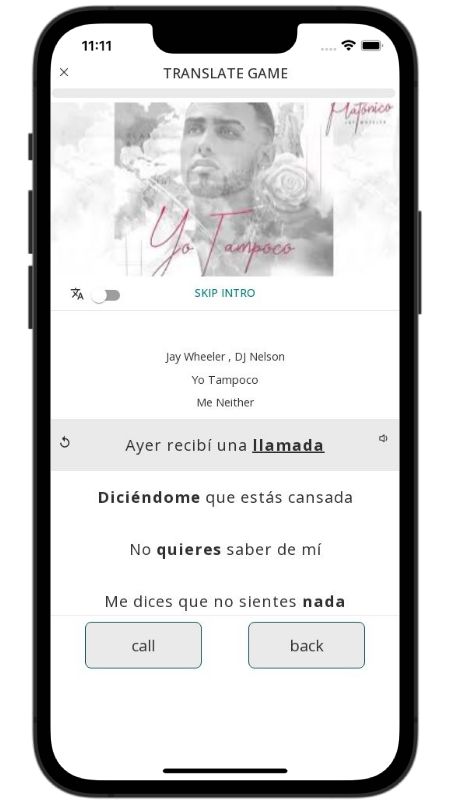
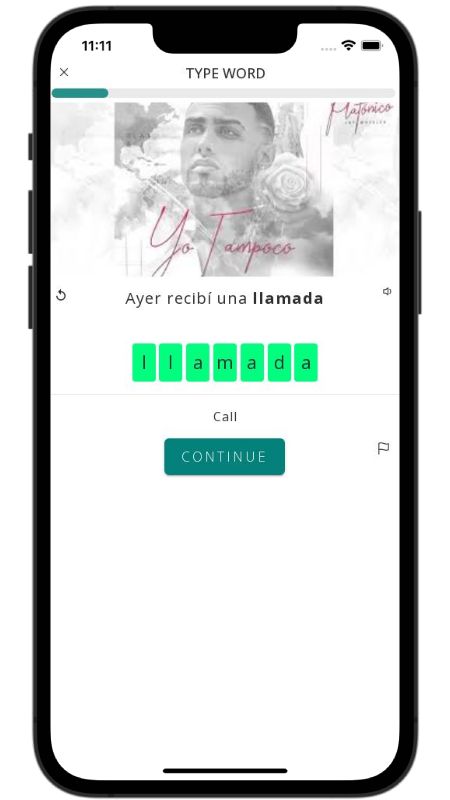
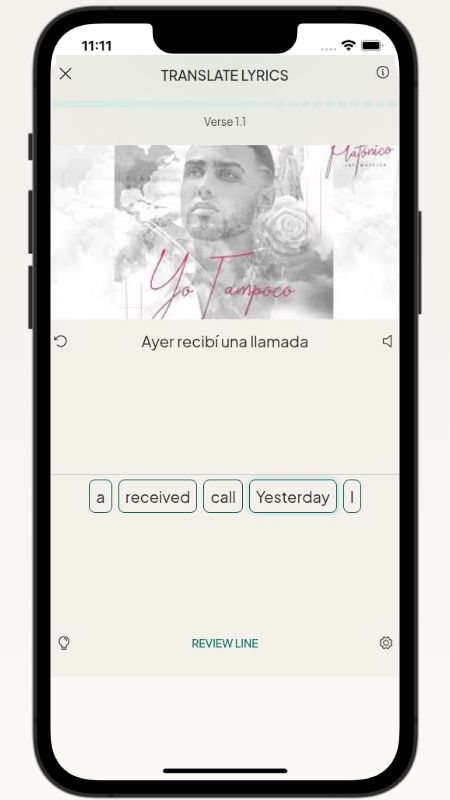
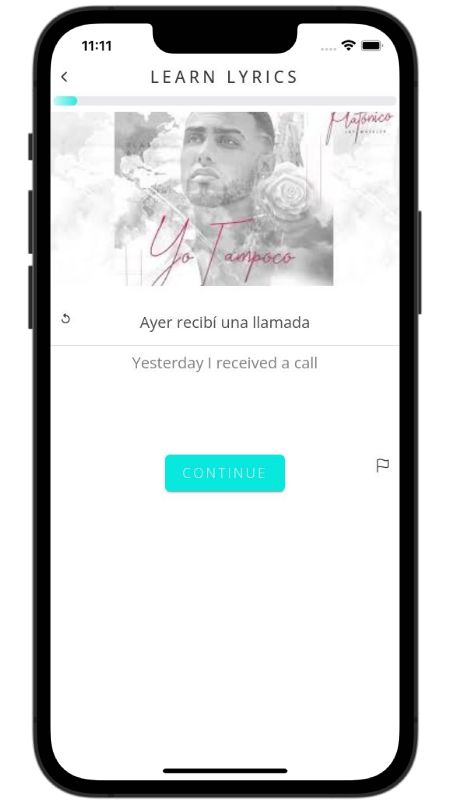
She calls to end it, and Jay Wheeler beats her to the punch. The song opens on that phone call ("Ayer recibí una llamada" [Yesterday I received a call]): she's tired, she doesn't want to be "amarrada" [tied down], and she's sure he's the one who lost. His answer is the title. "Yo tampoco te quiero, siéndote sincero" [I don't love you either, to be honest] is a pride move, and he admits it a line later with "Por el orgullo pensaré en mí primero" [Out of pride I'll think of myself first]. Notice the "tampoco" there: it means "either" or "neither", so the whole chorus only works as a reply to something she said first.
The best lines are the petty ones. "Bajando puntos llegaste a cero" [Losing points, you hit zero] treats her like a scoreboard, and "Pa' estar contigo, mejor con cualquiera" [Better off with anyone else than you] is just blunt. "Pa'" is the clipped, everyday Caribbean way of saying "para" [for, in order to], and "Bebecita" is a Reggaeton favourite meaning "little baby". By the end he's tripled down on himself with "Ahora soy yo primero, segundo y tercero" [Now it's me first, second and third], which is a bit much and clearly meant to be. The closing shout of "La Voz Favorita" [The Favourite Voice] is Jay Wheeler's own nickname, signing the track like a name tag.