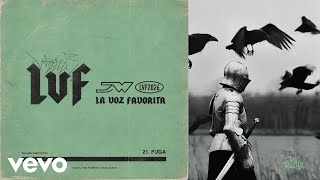
TRAPPii Lyrics in English by Jay Wheeler
Regalía literally translates to "royalty" (as in a payment or a right) or "prerogative". It's a word with a formal and powerful connotation, often associated with sovereign rights or exclusive privileges.
In the context of this song, Jay Wheeler uses regalía to assert his dominance and success in the music industry. He boasts, "Tengo sus casas en mi regalía" (I have their houses in my royalty/dominion), implying that his success is so vast that he earns more than others' entire worth, or that he holds a powerful sway over them. This word elevates his claim of power beyond simple wealth, suggesting a deeper, almost regal, control.
TRAPPii is Jay Wheeler’s victory lap. Right from the spoken intro he dismisses empty talk about “respect” and reminds listeners that true wealth lives in knowledge, not in flashy sneakers or shallow bank accounts. The Puerto Rican artist looks back at what he was taught—chase money because it eases life—yet he exposes the hollowness of people who only have money. With a mix of street wisdom and swagger, he positions himself as someone who owns his label, takes care of his family, and still respects self-growth more than material trophies.
Once the beat drops, the flexing begins. Wheeler fires clever punchlines at rivals who “can’t brag on him,” claiming their songs sound like filler while his tracks dominate charts and social media trends. He flaunts packed bookings, fat pockets, and the kind of unstoppable momentum that lets him spend weekly what others earn in a month. Despite the bravado, he stays alert to envy and fake toughness, calling out “cardboard millionaires” and “snitches” who hide behind masks. In the end, TRAPPii is both a celebration of personal success and a reminder that authenticity and knowledge will always outshine rented luxury and inflated egos.