Un Canard Arriva Bientôt En Se Dandinant Lyrics in English by Daniel Lavoie
Dandinant comes from the verb se dandiner, meaning "to waddle". It's a delightful and descriptive word that perfectly captures the movement of a duck.
In the song, it's used to describe how the duck arrives, "en se dandinant tout heureux" (waddling all happy). This word is not commonly found in everyday French songs, making it unique and memorable for learners.
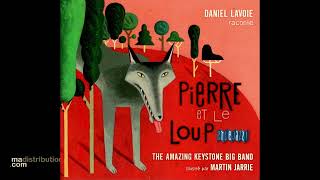
Daniel Lavoie brings us a charming little story in "Un canard arriva bientôt en se dandinant" (A duck soon arrived waddling). It starts with a happy duck waddling in, glad that Pierre left the garden gate open! This clever duck takes advantage of the situation to go for a swim in the pond in the middle of the meadow.
Things get interesting when a little bird spots the duck and lands nearby. The bird, a bit confused, asks, "Mais quel genre d'oiseau est une banque qui de ces volets" (But what kind of bird is a bank that of these shutters)? The duck, not missing a beat, replies, "quel genre d'oiseau et dessus qui ne sait pas nager" (what kind of bird and on top that doesn't know how to swim) before diving into the pond! The song ends with them discussing for a long time, the duck swimming and the little bird flitting around. It's a sweet, playful scene about two very different creatures having a chat.