Amor A La Mexicana Lyrics in English by Thalía
Huapango is a style of traditional Mexican folk music and dance, characterized by its lively rhythm. You won't find this word in a typical Spanish lesson, making it a unique piece of vocabulary!
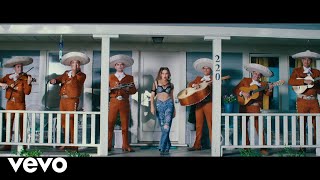
In 'Amor a la Mexicana', Thalía lists huapango alongside other cultural symbols like tequila, sombrero, and cumbia to paint a picture of a passionate, uniquely Mexican style of love. Learning this word is like unlocking a piece of Mexican culture through its music.
Thalía lays down the law right from the start: zero pity, zero half-hearted affection. She kicks things off with “Compasión no quiero, lástima no quiero / Quiero un amor duro que me pueda hacer vibrar” ("I don't want compassion, I don't want pity / I want a tough love that can make me vibrate"). She demands a passionate partner who brings sweat, taste, and absolute madness (“Quiero tu locura que me haga delirar” ["I want your madness that makes me delirious"]). What makes this track so fun is the way she blends opposites. She wants passion that is “suavecito” ("soft and gentle") yet “bien rudo” ("really rough"), moving “despacio” ("slowly") until it flat-out knocks her off her feet (“luego me mata” ["then it kills me"]).
To paint this Mexican-style romance, Thalía fills the chorus with traditional imagery. She calls out classic regional rhythms—cumbia, huapango, and son—alongside ranchero essentials like “caballo, bota, y sombrero” ("horse, boot, and hat") and drinks like “tequila, tabaco y ron” ("tequila, tobacco, and rum"). When she shouts “Pura cana, puro amor”, she is nodding to sugarcane liquor (caña), matching the fiery heat she describes as “caliente al ritmo del sol” ("hot to the rhythm of the sun"). She wraps it all around her ideal partner, whom she boldly calls “mi macho de corazón” ("my true, brave man"), delivering an intense, sun-soaked party where romance means loving until you lose your mind.