Jenny Jenny Lyrics in English by AnnenMayKantereit
Wolkenreiter is a beautiful and creative compound noun, combining Wolken (clouds) and Reiter (rider). You won't find this unique, poetic word in a standard dictionary.
In the song, it's used as a romantic nickname for Jenny, the flight attendant, painting a picture of her soaring through the skies. This word perfectly captures the dreamy, yet transient nature of her life and is a great example of how German can build new, evocative words by combining simpler ones.
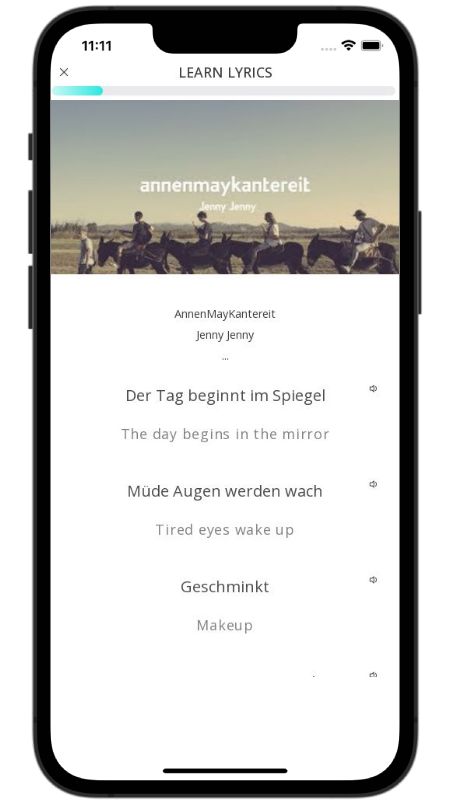
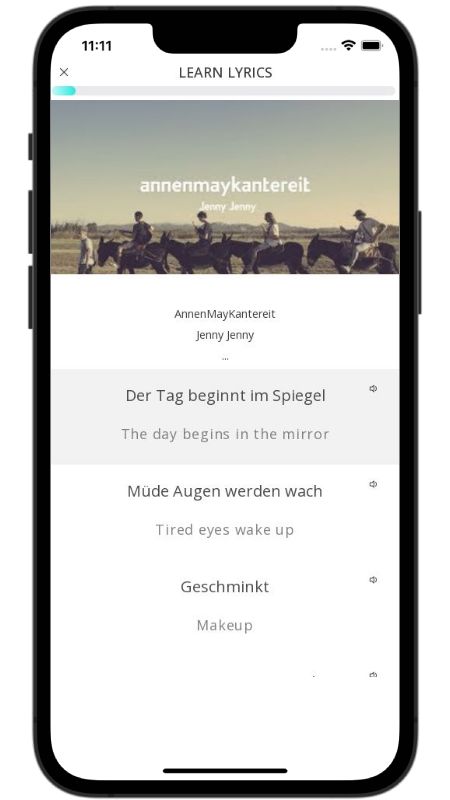
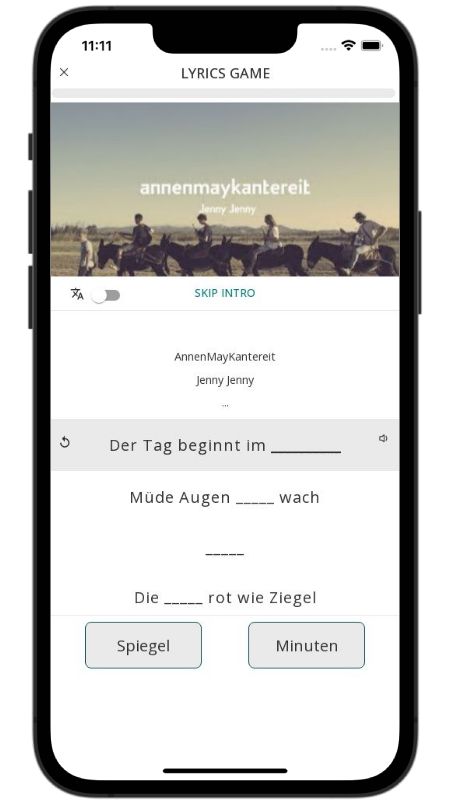
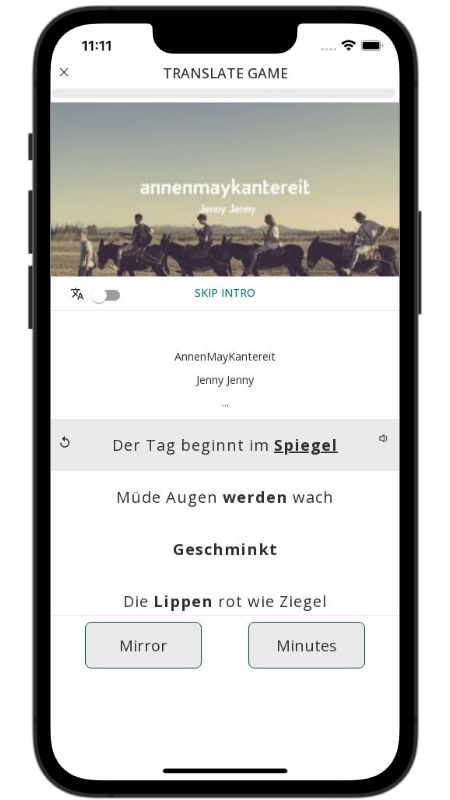
AnnenMayKantereit hand us a sharp, honest look at the grind behind the airline industry through Jenny, a flight attendant running on fumes. Her morning starts bluntly: Müde Augen werden wach / Geschminkt (Tired eyes wake up / Made up) with lips rot wie Ziegel (red as bricks) and routine coffee. Clad in her blue and yellow uniform (blau und gelb), she deals with real job precarity; she openly wishes she had a permanent contract (wär so gern fest angestellt). Up in the air, she turns into a Wolkenreiter (cloud rider), keeping up the mandatory smile expected of every flight attendant (lächelt einfach immer weiter / keeps on smiling) no matter how exhausted she feels.
The song really hits when she hits the ground. After touching down, she becomes das Lächeln in der Brandung (the smile in the surf), a clever twist on the German idiom der Fels in der Brandung (a rock in the rough seas/surf). Instead of standing firm like a rock, Jenny has to keep smiling through an ocean of impatient travelers rushing past customs (den Zoll). Her glamorous travels boil down to three-hour layovers, cold coffee, and googling Panama because she was only there for ten measly minutes two years ago. Flying ten thousand miles over the sea every day shrinks the world, but it also scrambles her life: sometimes she walks through her front door and cannot even remember where she just flew in from.