Du Bist Anders Lyrics in English by AnnenMayKantereit
wahnsinnig literally translates to "insane" or "mad". While it can mean this, it's more often used colloquially in German to express an extreme feeling, much like "crazy" or "incredibly" in English.
In the song, the singer says, "Und es macht mich wahnsinnig" (And it's driving me crazy). He uses this intense word to describe the overwhelming frustration and anxiety he feels from his partner's silence and emotional distance. It's a perfect word to capture the raw, emotional turmoil at the heart of the song.
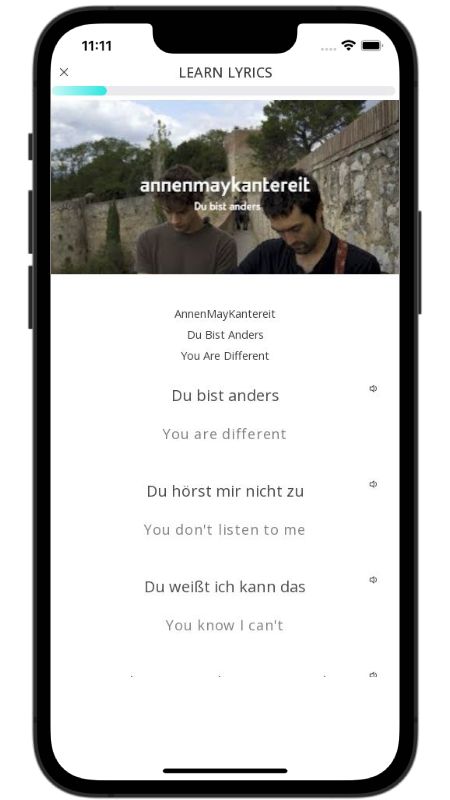
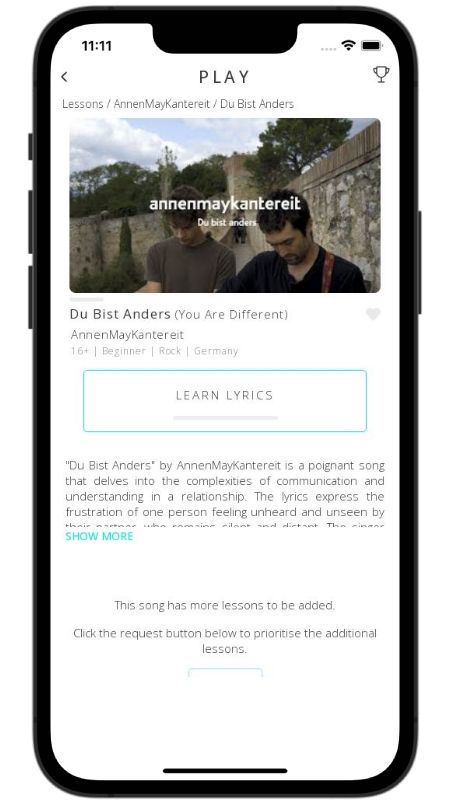
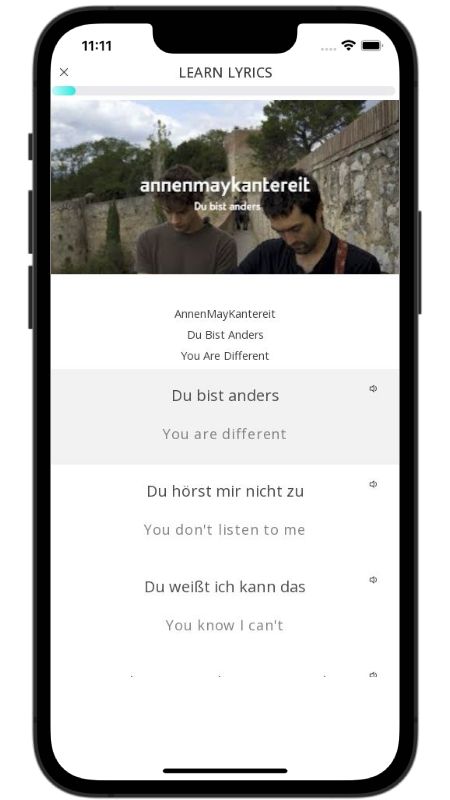
Have you ever tried having a conversation with someone who acts like a brick wall? That exact frustration is the beating heart of "Du Bist Anders" by German rock group AnnenMayKantereit. Henning May uses his gravelly voice to confront a partner who has emotionally checked out, bluntly admitting right off the bat, "Du weißt ich kann das Schweigen nicht so gut wie du" [You know I can't handle silence as well as you can]. While the other person clams up, he spirals. He notices every tiny shift: "Aber ich seh' was in deinem Gesicht / Und ich weiß nicht was es ist" [But I see something in your face / And I don't know what it is].
What makes this track fun and instantly relatable for language learners is how plainspoken the panic gets. There are no fancy metaphors here, just real, frantic thoughts like "Und es macht mich wahnsinnig" [And it's driving me crazy] and "Fällt dir auf wie wenig du lachst" [Do you notice how little you laugh?]. His head jumps straight to worst-case scenarios, asking if they are scared or if there is someone else ("Oder ist da jemand anders"). The song builds a looping rhythm out of pure exasperation, especially when he begs them to stop pretending nothing is wrong ("tu' nicht so als ob da gar nichts ist"). It is an honest snapshot of the agony of trying to pry words out of someone who simply refuses to talk.