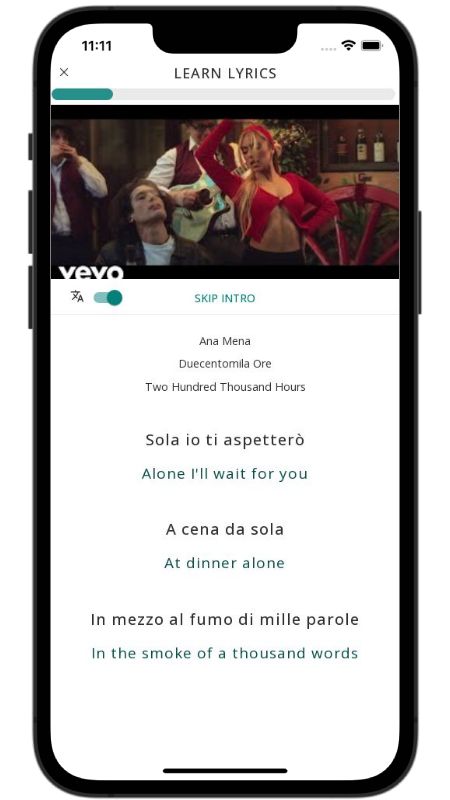
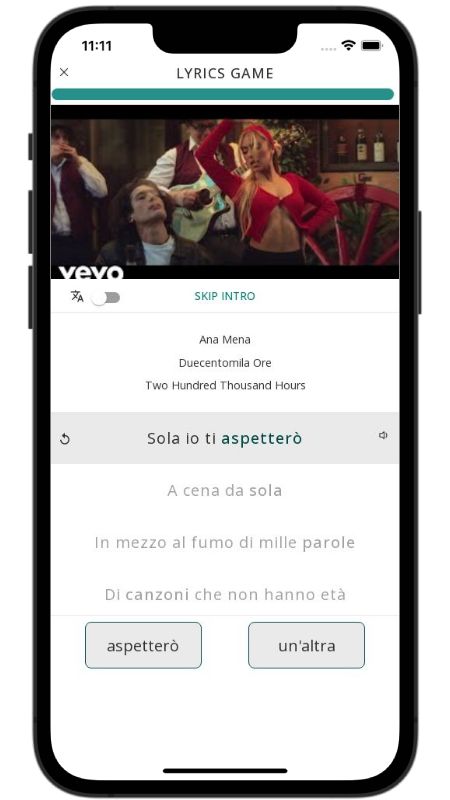
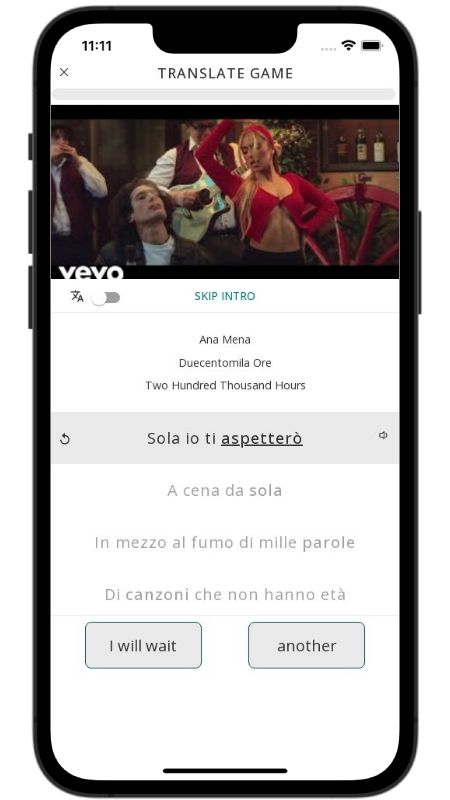
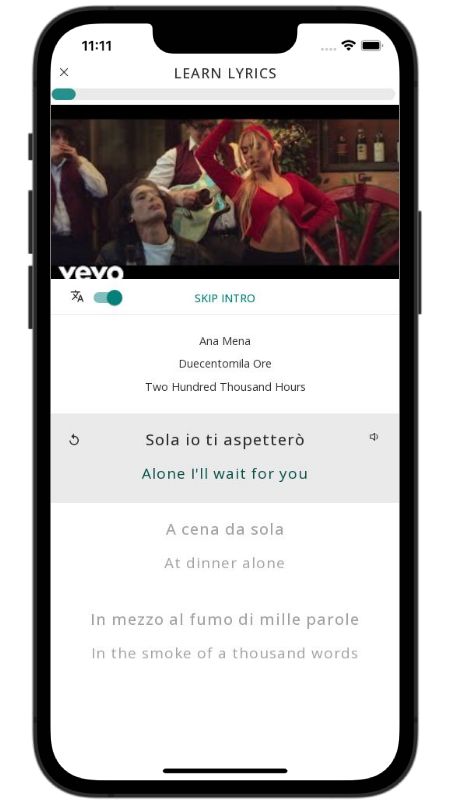
Duecentomila Ore Lyrics in English by Ana Mena
M'ama non m'ama is the classic Italian equivalent of "He loves me, he loves me not." It literally translates to "Loves me, loves me not," referring to the universal game of plucking flower petals to guess someone's true feelings.
In the song, Ana Mena sings, "M'ama non m'ama un fiore" (loves me, loves me not, a flower) to express her deep uncertainty about a romance. This culturally rich phrase perfectly captures the anxious, back-and-forth nature of a complicated relationship, making it a highly engaging expression to learn.
Picture yourself in a smoky twilight bar, old songs crackling through the speakers and the scent of a Cuba libre in the air. That is where Ana Mena’s "Duecentomila Ore" begins: a young woman sits alone at dinner, replaying every sweet taste and sharp sting of a love that keeps slipping through her fingers. She did not plan to fall for a "ragazzo di strada," yet his easy lies and electric charm pulled her in. Now, as night falls, she flips the fragile petals of a mental “m’ama non m’ama” daisy, wondering if tonight will bring passion or disappointment.
The title means 200,000 hours – a playful exaggeration of how long longing can feel when you keep circling the same love-and-leave routine. Each chorus hits like a burst of Latin pop energy: they meet, they burn brightly for a single, stolen hour, then darkness sweeps in and the waiting starts all over again. Beneath the dance-floor sparkle is a bittersweet truth: sometimes the hottest romances are also the most fleeting, and the only thing that lasts is the echo of the music and the clock that just won’t stop ticking.