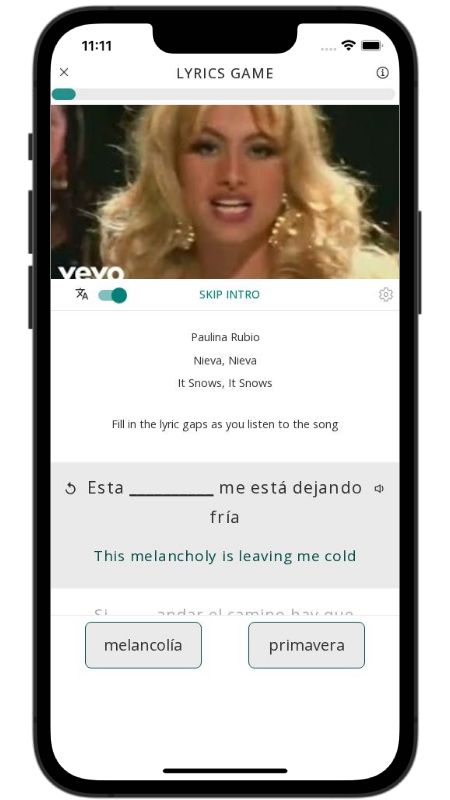
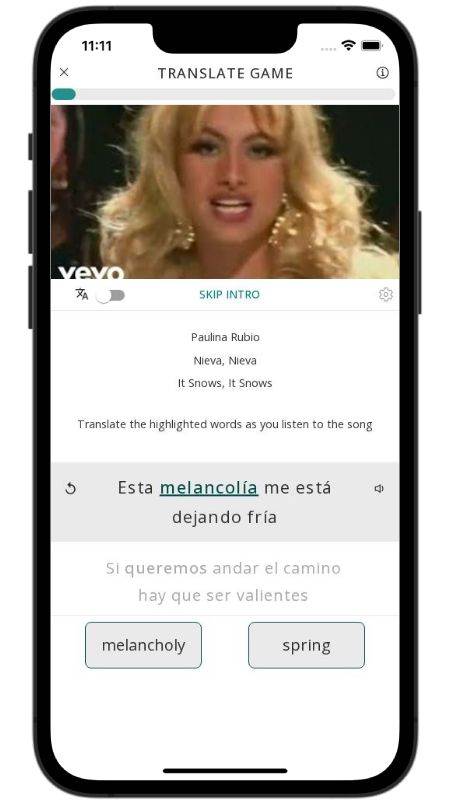
Nieva, Nieva Lyrics in English by Paulina Rubio
Nieva literally means "it snows". While it's a common weather verb, its use in this song is particularly poetic and central to the theme, making it quite unique.
Paulina Rubio uses "Nieva" metaphorically to describe a cold, unreal, and melancholic emotional state, especially when contrasted with "primavera" (spring). The phrase "Sobre mi alma nieva" (It snows on my soul) vividly portrays a feeling of emotional chill and longing, making it a memorable and evocative word that entices listeners to explore its deeper meaning within the song.
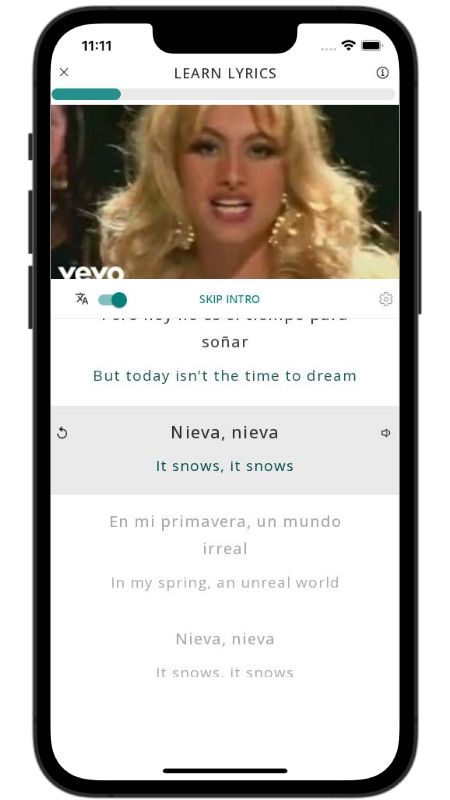
Have you ever felt a cold sadness during a happy time? That's the feeling Paulina Rubio captures in 'Nieva, Nieva.' The title means 'It Snows, It Snows,' and she uses this powerful image to describe being separated from someone she loves. She sings that it’s snowing in her springtime, or 'Nieva, nieva / En mi primavera,' a beautiful way to say her world feels frozen and unreal, even though it should be a happy season. The distance is a painful 'test' that forces her to be brave and wait for a beautiful ending.
But this isn't just a sad song! As the music unfolds, the mood shifts from longing to hope. The difficult wait makes her appreciate her partner even more, valuing the simple sound of their laugh. The song ends with a joyful resolution: the snow finally stops! Her loved one arrives, and the cold, lonely dream turns into a warm reality. It’s a story about how patience and love can overcome any distance, making a relationship even stronger.