"Точка" (Tochka) means "full stop", the dot at the end of a sentence, and Klava Koka builds the whole breakup around that one image. Their love was a page of "красивые строчки" (beautiful lines), and he ended it with "некрасивую точку" (an ugly full stop). It is a neat little writer's metaphor, and it hurts more than a plain "you dumped me" would.
The chorus is a bitter inventory. What does she have left? "капель соли на моих щеках" (drops of salt on my cheeks), which is a lovely, slightly dramatic way to say tears. What does he have left? "слитых фото в твоём Insтаgrам" (leaked photos in your Instagram). The verb слить literally means "to pour off", but in modern slang it means to leak something private online, so she is accusing him of making their story public.
The verses get sharper. She says he lives "в кайф на показ" (for fun, for show), calling it "счастье в кавычках" (happiness in quotation marks), Russian for "so-called" happiness. She wanted a family, but "семья это личное" (family is private). Then a blunt jab: "Топить боль в стакане" (drowning pain in a glass) seems to be his habit.
My favourite line: everyone saw her sparkling, but only he knew "так блестят мои осколки" (that's how my broken pieces shine). The ending is all small domestic details, her in his футболка (T-shirt) in the kitchen, now just "пустые полки" (empty shelves). And she asks him not to pick up if she calls at night: "если ночью наберу ты не бери" (if I dial at night, don't answer). The last line puts the final full stop on it: "Прощай, я люблю тебя / Но это было вчера" (Goodbye, I love you / But that was yesterday).
Did you know?
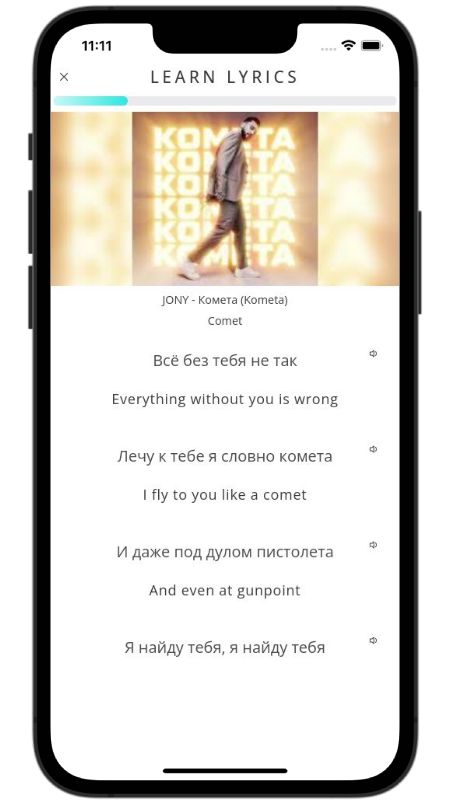
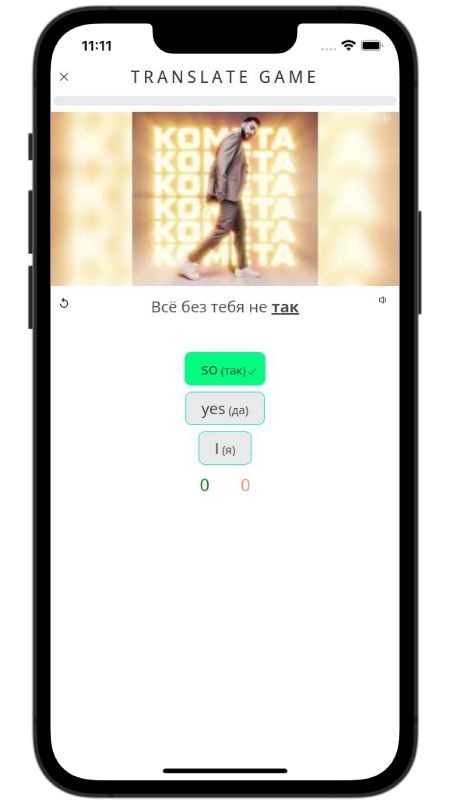
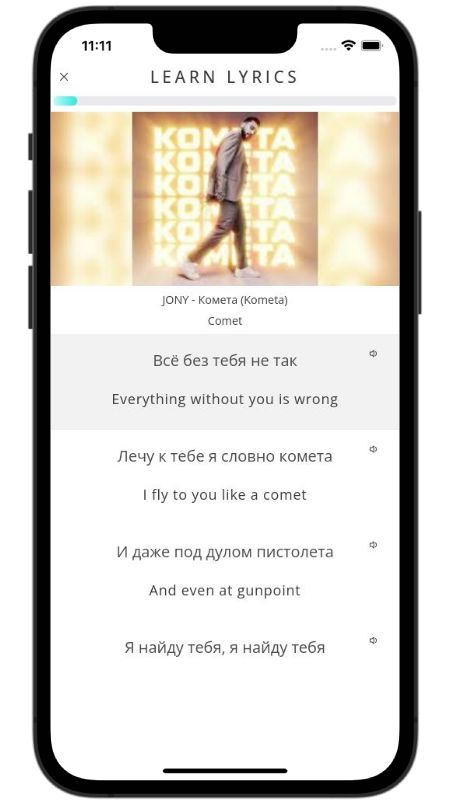
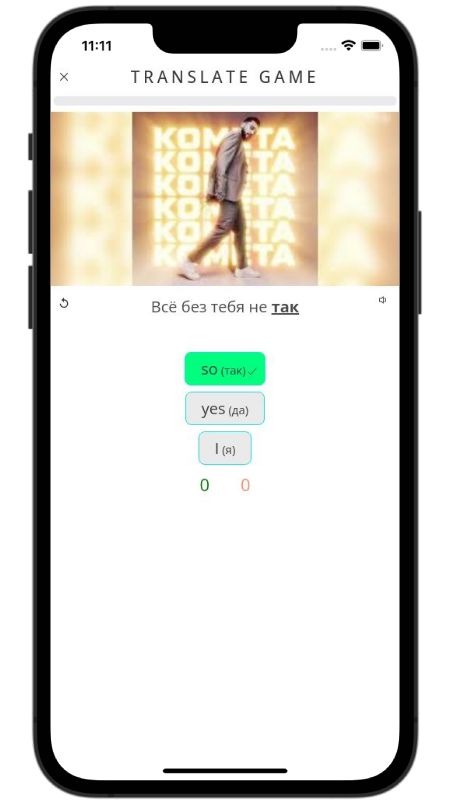
In addition to reading lyric translations, you can now learn Russian with music and lyrics from your favorite artists.
No more boring lessons. You can now learn with engaging and culturally relevant lyrics from the best artists.