Лесть translates to "flattery" or "sycophancy". It's a specific and often negative form of praise, implying insincerity or an ulterior motive.
In the song, Klava Koka sings, "Ко мне не надо лезть, ненавижу лесть" (Don't try to get close to me, I hate flattery). This line powerfully conveys her disdain for insincere compliments and manipulative attempts to win her over, highlighting a common theme of distrust in relationships.
Ever been in a relationship that just won't end, no matter how many times you try? That's the feeling at the heart of Klava Koka's pop hit "Бумеранг (Bumerang)". The song kicks off with a familiar scene of frustration: her partner is late and not answering his phone. When he finally shows up, it's the next morning, and he's drunk. She's had enough, telling him, "Слышишь, дичь не втирай / Свои вещи собирай" (Listen, don't feed me nonsense / Pack your things).
But here's the twist: she knows this isn't the end. She predicts, "Я же брошу, ты вернёшься / Обратно, как бумеранг" (I'll dump you, you'll come back / Like a boomerang). She's tired of the lies and the drama, declaring their relationship is more of a "Ссора, а не свидание" (A fight, not a date). This song is an anthem for anyone stuck in a toxic cycle, finally deciding to break it for good.
Did you know?
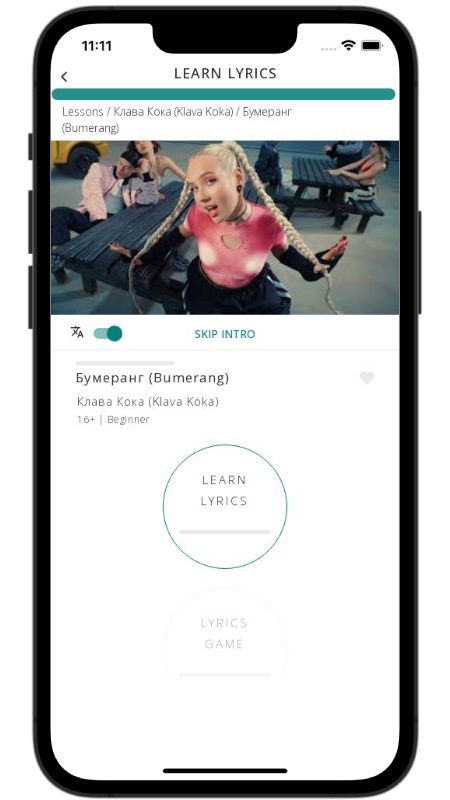
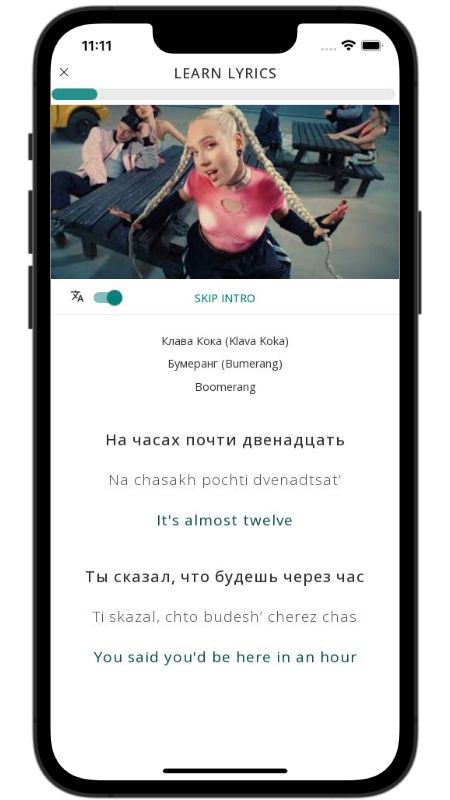
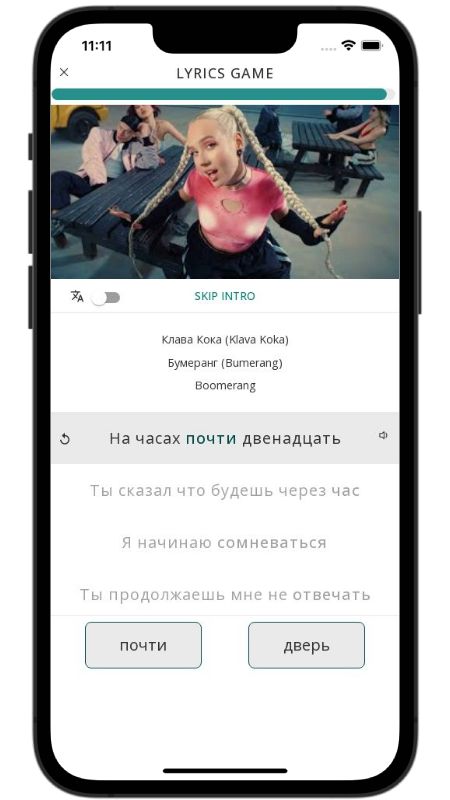
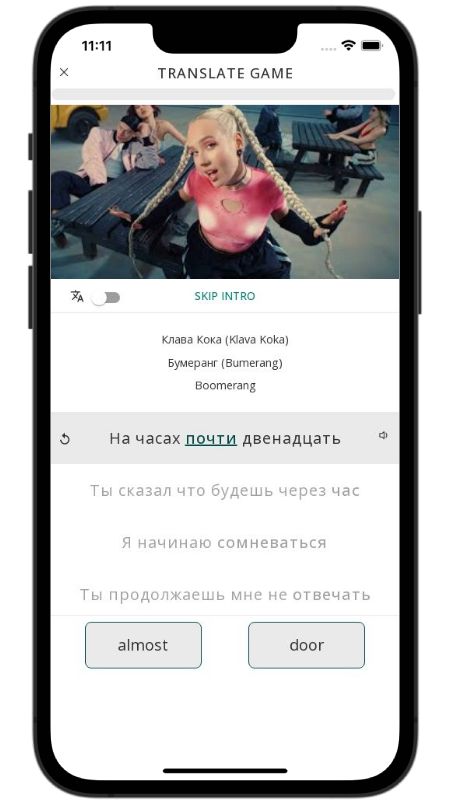
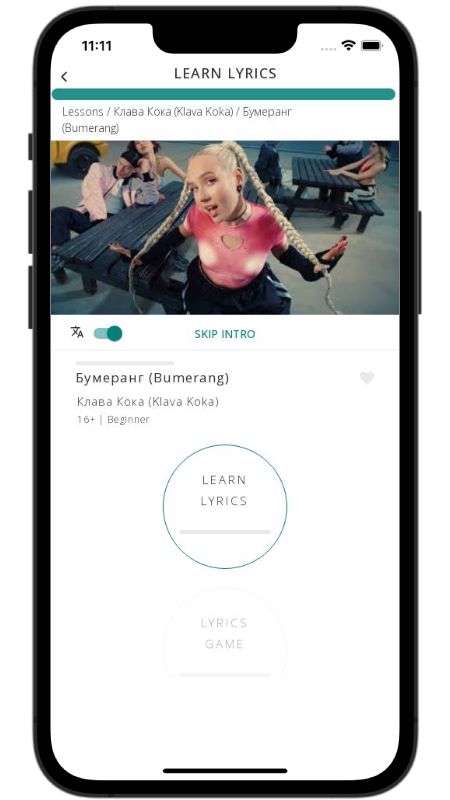
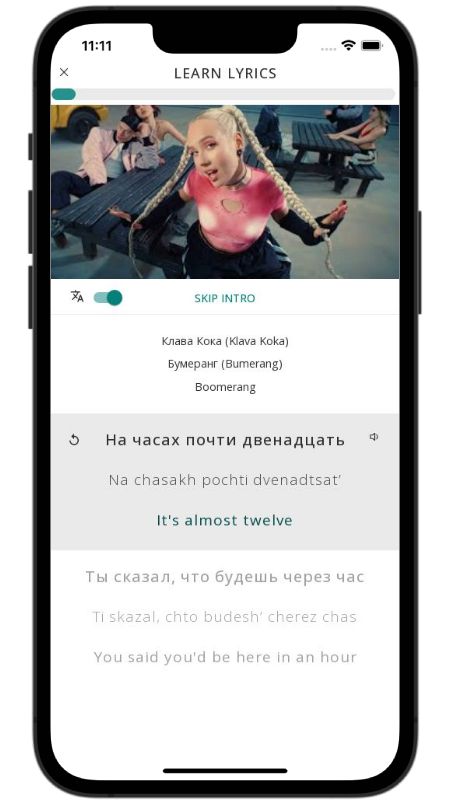
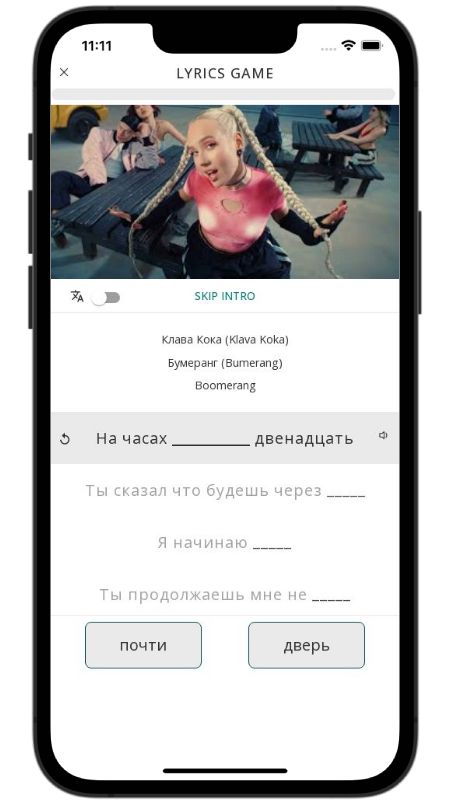
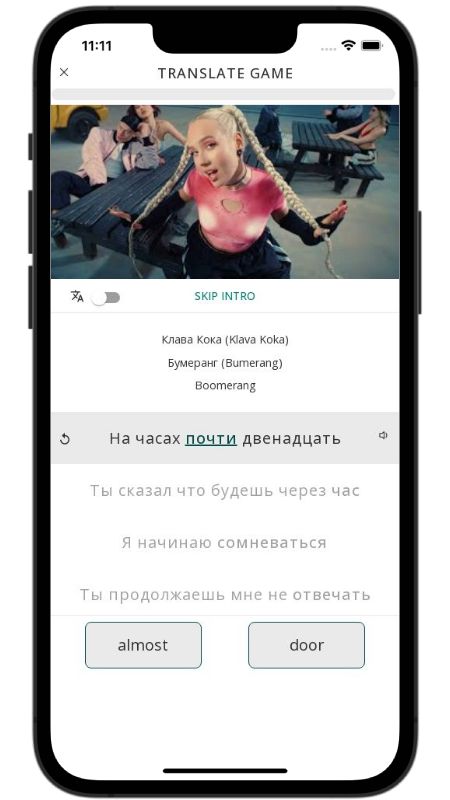
In addition to reading lyric translations, you can now learn Russian with music and lyrics from your favorite artists.
Yes, including Бумеранг (Bumerang) by Клава Кока (Klava Koka)!
No more boring lessons. You can now learn with engaging and culturally relevant lyrics from the best artists.