OJALÁ Lyrics in English by Becky G
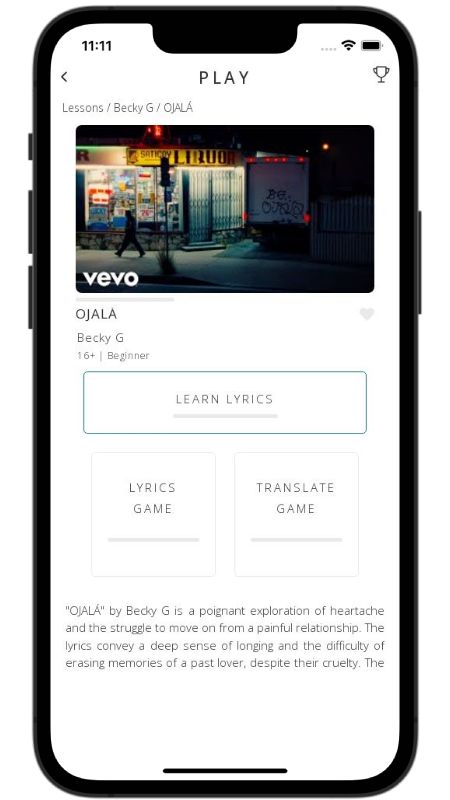
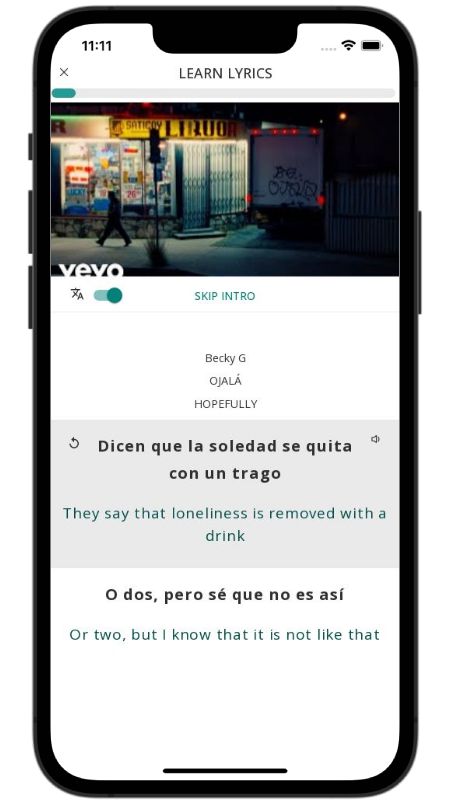
Ojalá is a beautiful and common Spanish word that expresses hope or desire, similar to "I wish" or "hopefully" in English. It comes from Arabic, meaning "God willing."
In Becky G's song, it's used repeatedly to convey a deep longing and internal conflict. She wishes she wouldn't end up at her ex's house, and hopes for a way to forget him, even though she's struggling to do so. It perfectly captures the song's emotional core of wanting to move on but being drawn back.
“OJALÁ” is Becky G’s fiery toast to heartbreak. The Mexican-American singer captures that messy moment when the party is loud, the drinks keep coming, yet nothing can drown out the memory of the one who broke your heart. Between shots, she swings from rage to regret, from wanting to erase every kiss to wondering if he still thinks about her. The chorus chant of ojalá (“I wish”) feels like a late-night prayer: “I wish I could forget you, but here I am calling you again.”
At its core, the song is a roller-coaster of emotions we all recognize. Becky G admits her ex “la cagó” (he messed up) and does not deserve forgiveness, but the pull of nostalgia is stubborn. She battles pride, stumbles through temptation, and learns that even a full bottle cannot heal a wounded “cora” (heart). Through catchy hooks and blunt lyrics, “OJALÁ” reminds listeners that healing is rarely neat—it is chaotic, loud, and sometimes sung at the top of your lungs while you look for the strength to finally let go.