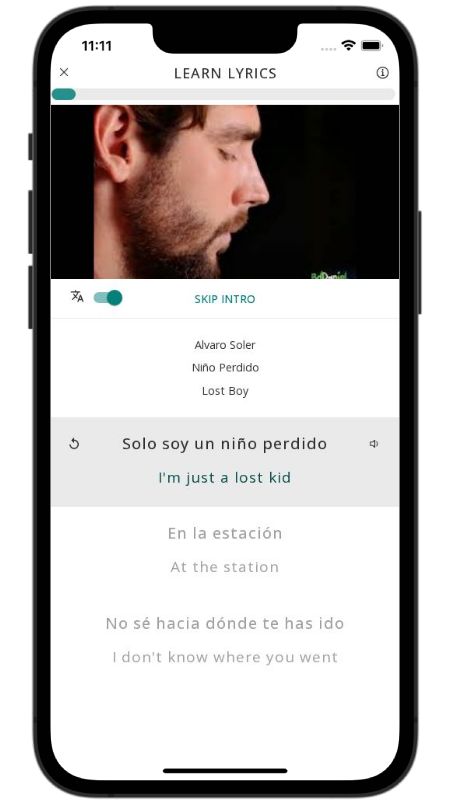
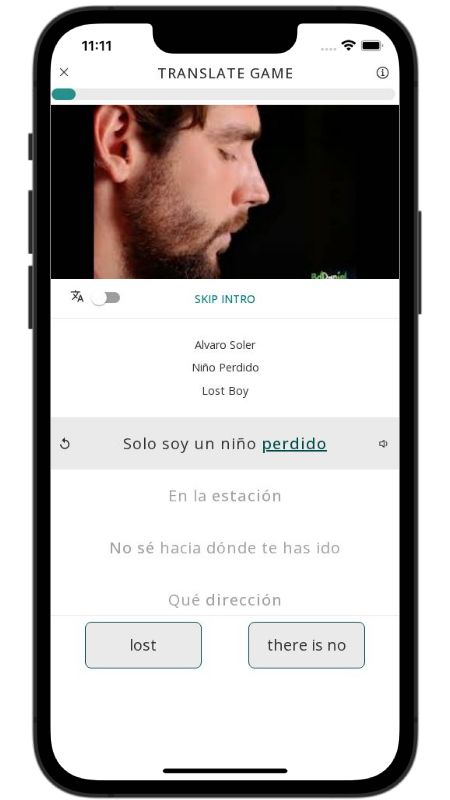
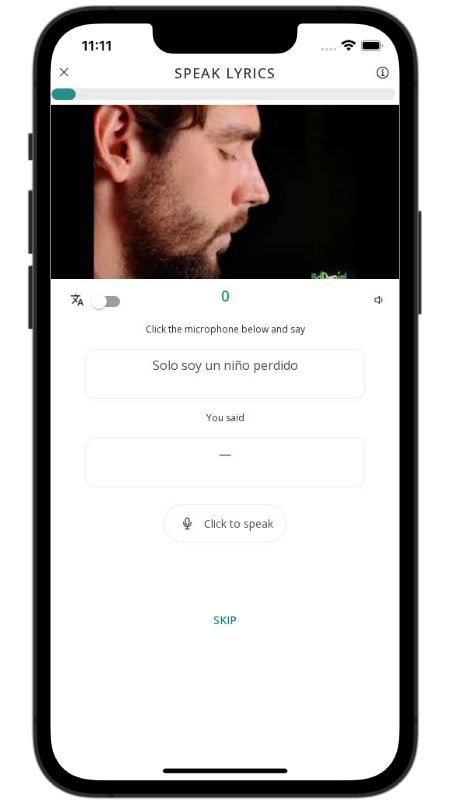
Niño Perdido Lyrics in English by Alvaro Soler
Telón literally means "curtain", like the one on a theater stage. It's a unique and evocative word you don't often find in pop songs.
In this song, Alvaro Soler sings, "Que alguien me cierre el telón" (Someone close the curtain for me). He uses this theatrical metaphor to express a deep sense of despair, as if he's on a stage and wants the performance of his pain to finally end. It's a powerful image that perfectly captures the feeling of being a "niño perdido" (lost boy).
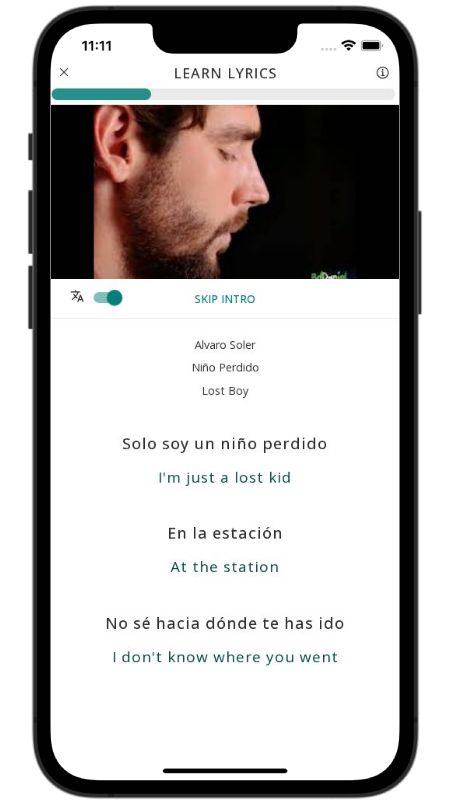
“Niño Perdido” paints a vivid picture of heartbreak told from the eyes of someone who suddenly feels as small and direction-less as a lost child on a busy train platform. Álvaro Soler captures that moment when love disappears and every familiar signpost vanishes with it: the narrator looks around, hears the trains come and go, but has no idea which way to run. The repeated invitation “Déjate llevar” (Let yourself go) is both a whisper of hope and a cruel reminder that surrendering to the flow is easier said than done.
Yet beneath the sadness there is a spark of resilience. By admitting “Solo soy un niño y nada más,” the singer strips away pride and bravado, choosing honesty over pretense. He may beg for the curtain to close on this painful scene, but the very act of voicing his confusion turns the platform into a stage where healing can begin. The song is a bittersweet anthem for anyone who has ever felt stranded between past and future, longing for a familiar voice while learning to trust their own steps once again.