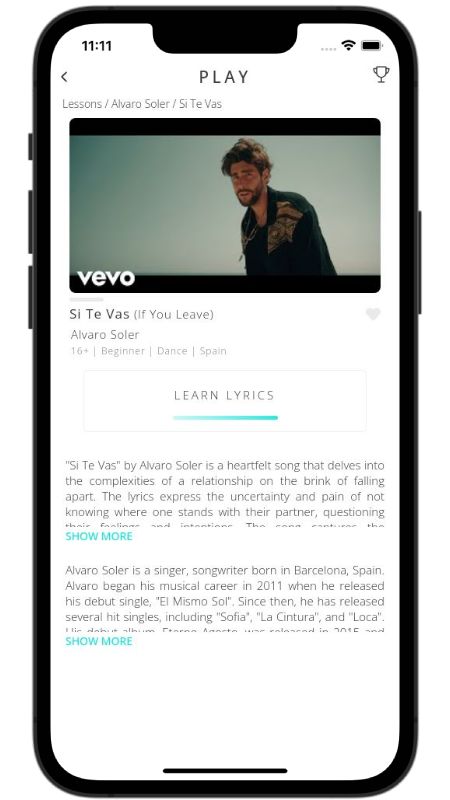
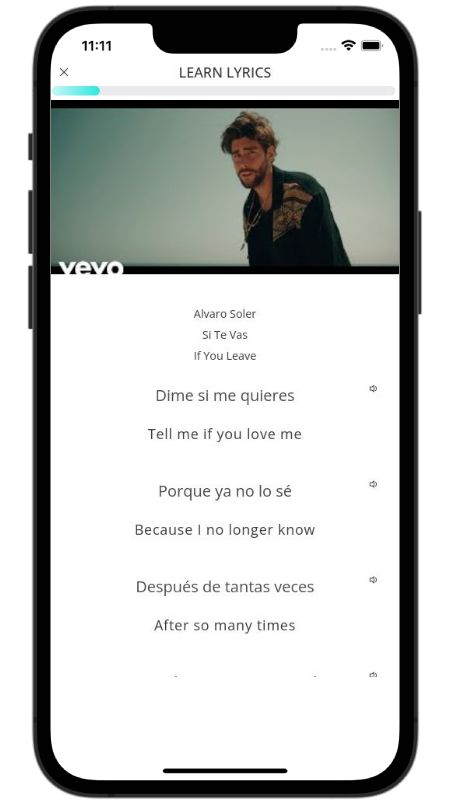
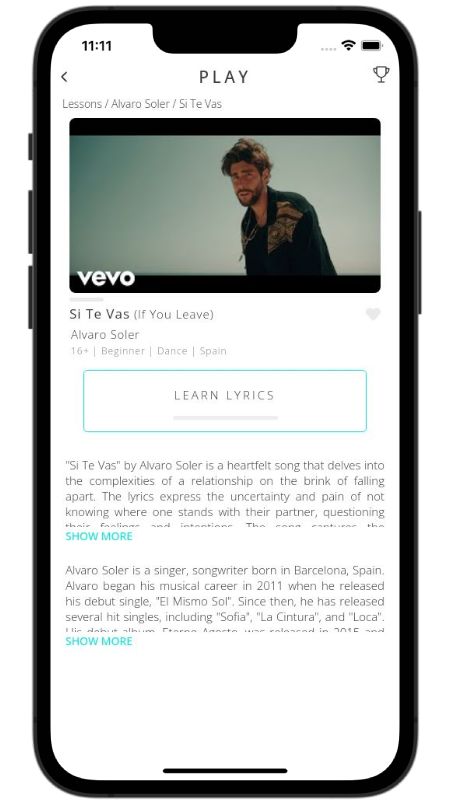
Si Te Vas Lyrics in English by Alvaro Soler
Atado literally means "tied". It is the past participle of the verb atar (to tie).
In this song, Alvaro Soler uses it metaphorically in the powerful line "Atado a tu cuerda" (Tied to your rope). This paints a vivid picture of feeling emotionally trapped and dependent in a relationship, unable to leave. He's begging his partner to "suelta de una vez" (let go at once), making atado a key word that expresses the song's central feeling of desperation.
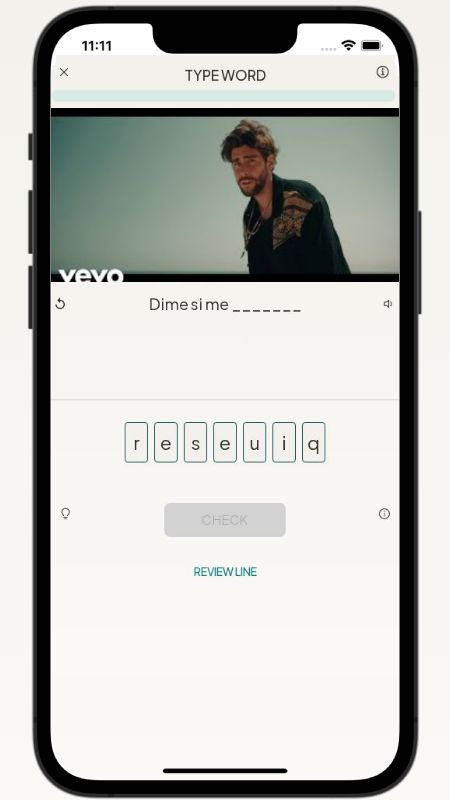
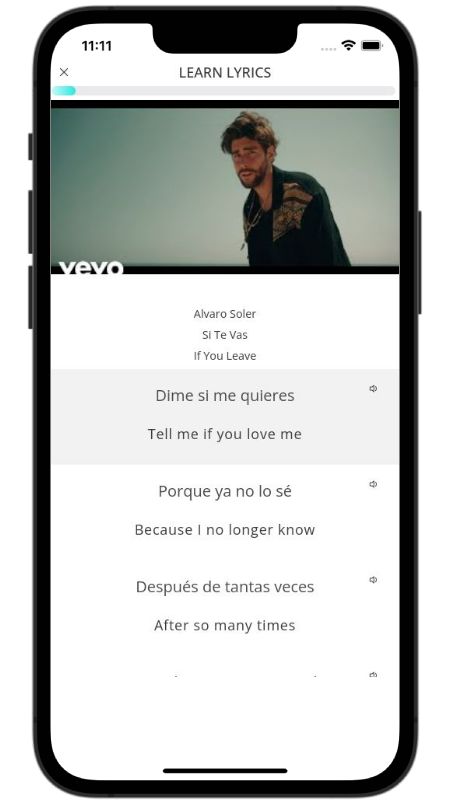
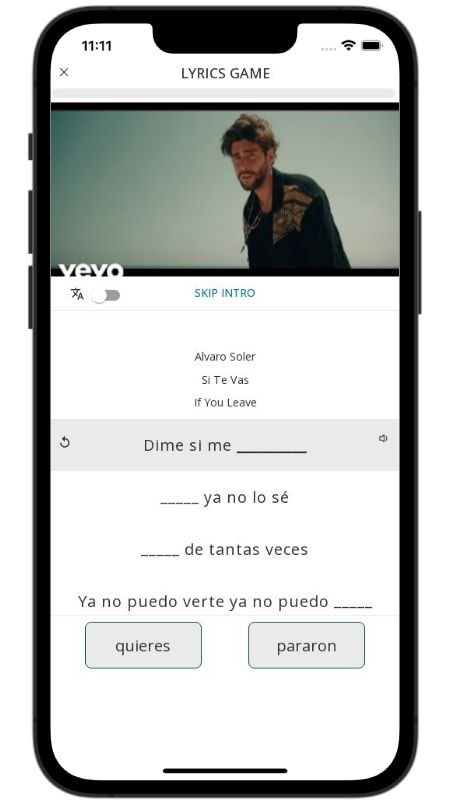
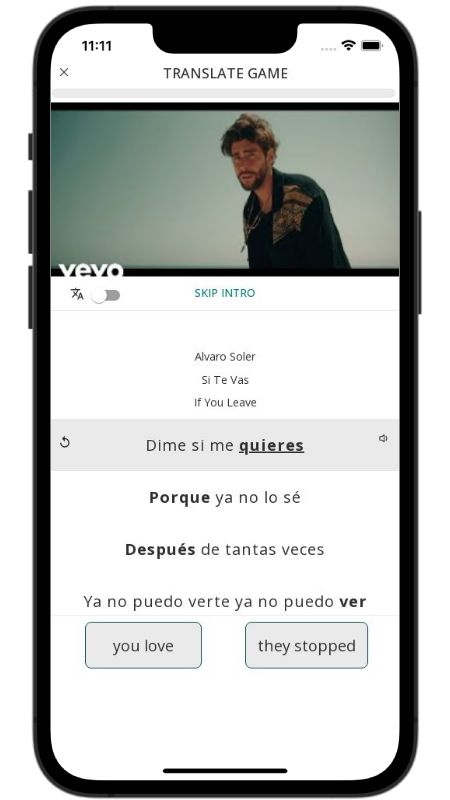
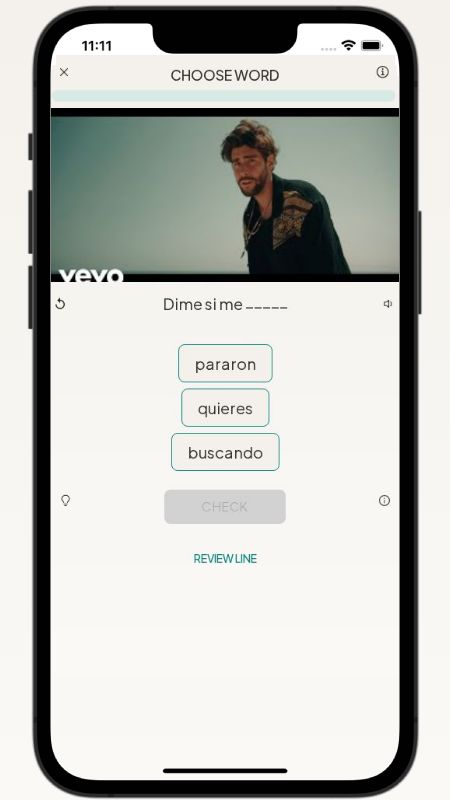
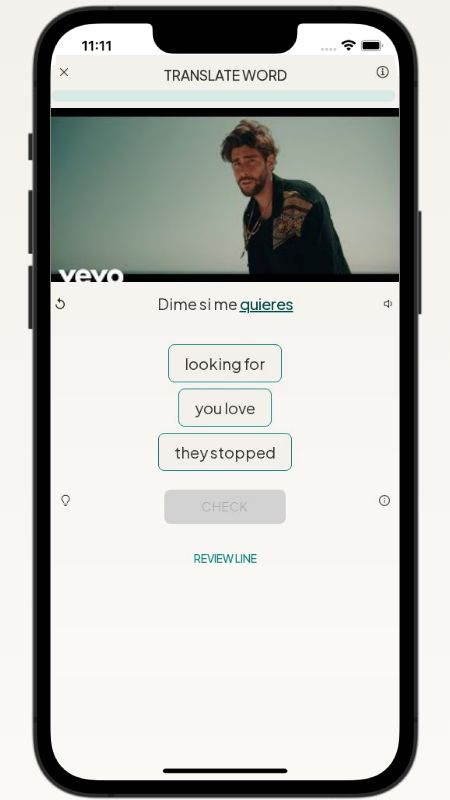
Spanish pop artist Alvaro Soler tackles the exhausting limbo of mixed signals in "Si Te Vas" (If You Leave). He asks directly: "Dime si me quieres / Porque ya no lo sé" (Tell me if you love me / Because I don't know anymore). His partner's actions and words do not match up at all. He describes searching for honesty in her affection with "Ando buscando en tus besos tu voz / Dicen que sí, luego dicen que no" (I'm searching for your voice in your kisses / They say yes, then they say no). It is the classic frustration of being strung along, and he admits "yo no aguanto más" (I can't take it anymore).
Instead of playing the guessing game forever, he demands a clean break. The imagery turns sharp when he describes old forgotten promises as things locked "en un cajón" (in a drawer) that once stopped time. He feels trapped, begging his partner, "Atado a tu cuerda / Suelta de una vez" (Tied to your rope / Let go once and for all). The phrase "somos del viento" (we belong to the wind) hints that everything between them is blowing away anyway. He would rather take the hit and fall than stay stuck in an endless loop of emotional games.