Déjala Que Baile Lyrics in English by Alvaro Soler
Sequía translates to "drought" in English. It's a powerful and evocative word that immediately brings to mind a sense of longing and need for something vital, like rain.
In the song, the singer uses sequía metaphorically when he sings, "Cuando tengo sequía en mi campo, yeah" (When I have drought in my field). This highlights the central theme of the song: the woman's dance brings life and joy, much like rain ends a drought, nourishing the soul and turning life around.
This song tells a story that feels like a modern fairytale. Alvaro Soler sings about a legendary woman, a "Hija de la luna" (Daughter of the moon), who has a special power. According to the legend, "ella baila para hacer llover" (she dances to make it rain). She's this magical figure of hope who dances all night to bring life-giving rain, not just for the fields but to "regar el alma" (water the soul).
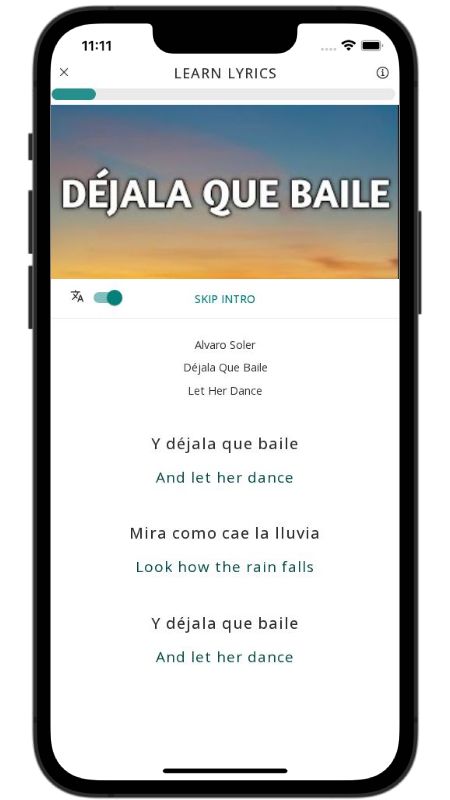
The singer sees her as his personal miracle. When he feels like he has a "sequía en mi campo" (drought in my field), she appears, and his life turns around. She brings him joy and relief. The whole point of the song is in the title: "Déjala Que Baile" (Let Her Dance). It's a plea to let this force of nature, this beautiful symbol of hope, be free to work her magic for everyone.