Como La Flor Lyrics in English by Selena
Marchitó is the past tense of the verb marchitar, which means 'to wither' or 'to fade'. It's a beautiful, poetic word that you won't often hear in everyday conversation.
In this iconic song, Selena uses it as the central metaphor. She sings that the love he gave her, "como la flor... se marchitó" (like the flower... it withered), perfectly capturing the feeling of a beautiful love that has sadly faded away.
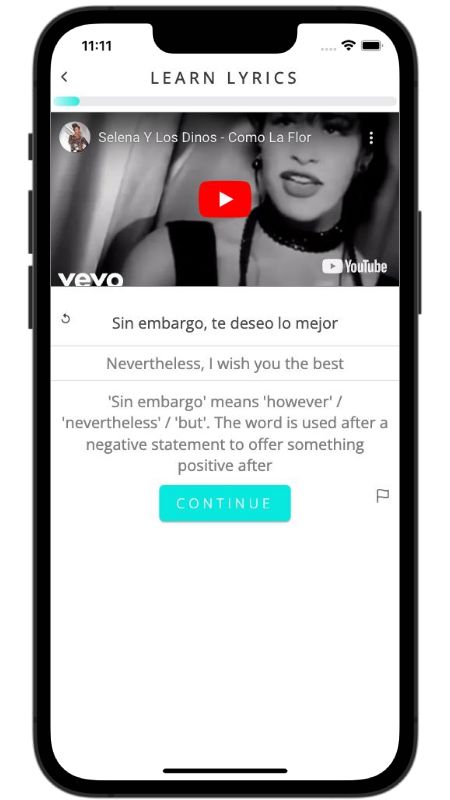
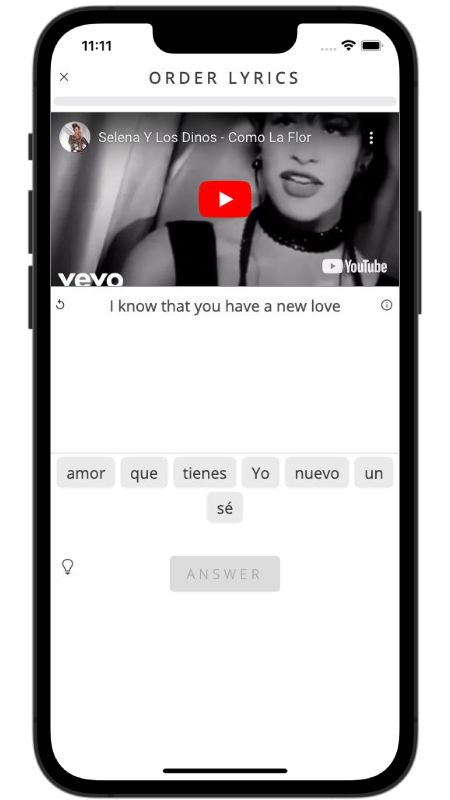
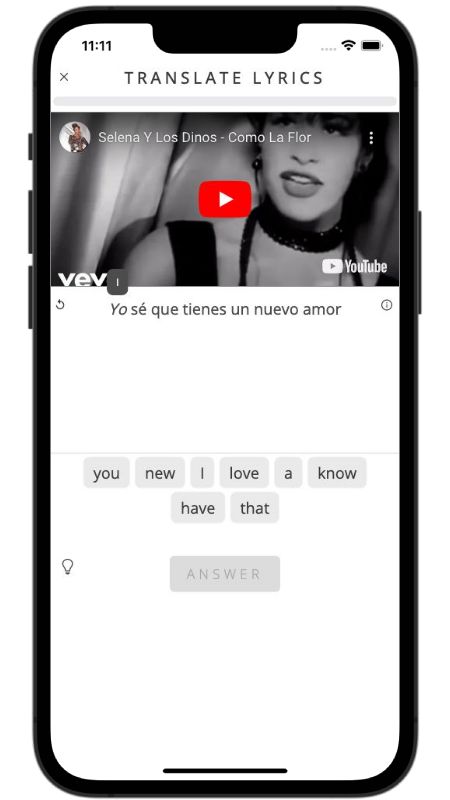
Few Tejano tracks let you scream along to heartbreak quite like Selena's signature track. Right from the opening, the speaker accepts a brutal reality: "Yo sé que tienes un nuevo amor" (I know that you have a new love). Instead of throwing a tantrum, she takes the high road with "te deseo lo mejor" (I wish you the best). It is gracious, but do not let that polite front fool you. Underneath, she is completely crushed.
The central hook rests on a classic, vivid comparison: "Como la flor con tanto amor me diste tú, se marchitó" (Like the flower you gave me with so much love, it withered away). Notice the phrase "yo sé perder" (I know how to lose). In English, we often say someone is a "good loser" or knows how to take a loss gracefully, which is exactly what she claims before immediately crying out, "Pero, a-a-ay, cómo me duele" (But, oh, how it hurts me). She poured out every bit of love she had left ("te di todo el amor que pude dar"), leaving herself entirely empty-handed.