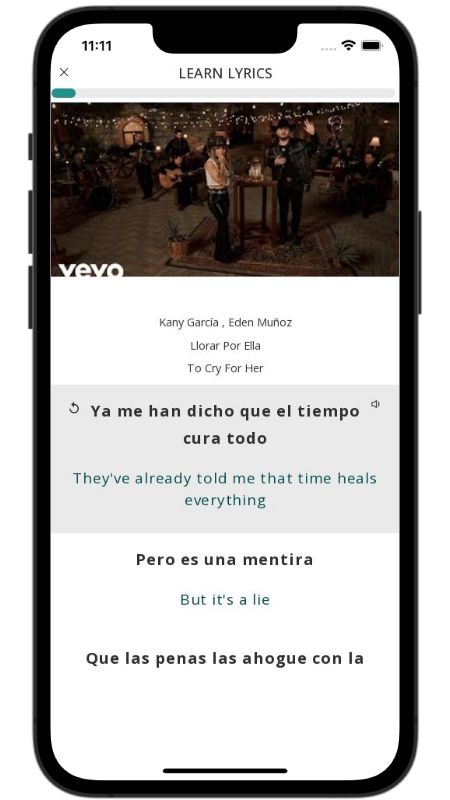
Llorar Por Ella Lyrics in English by Kany García, Eden Muñoz
Obligatoria means 'obligatory' or 'mandatory'. While it might seem like a straightforward word, its use in this song is deeply metaphorical and powerful.
Kany García sings, "Ella es mi parada obligatoria" (She is my obligatory stop). This phrase, set against the backdrop of a train journey, beautifully conveys that no matter where life takes him, his thoughts and feelings always return to her, making her an unavoidable and essential part of his emotional landscape. It's a unique and poignant way to express an enduring connection.
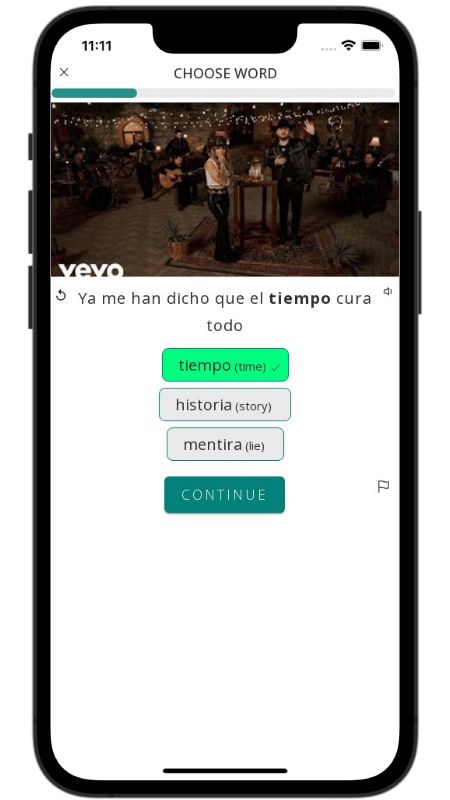
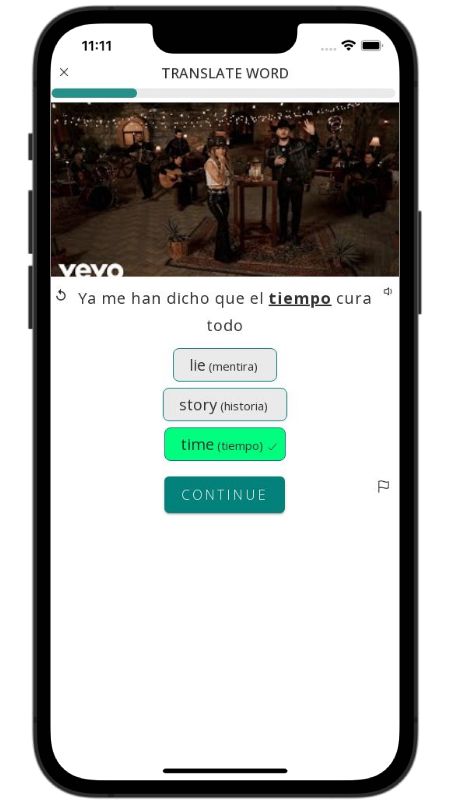
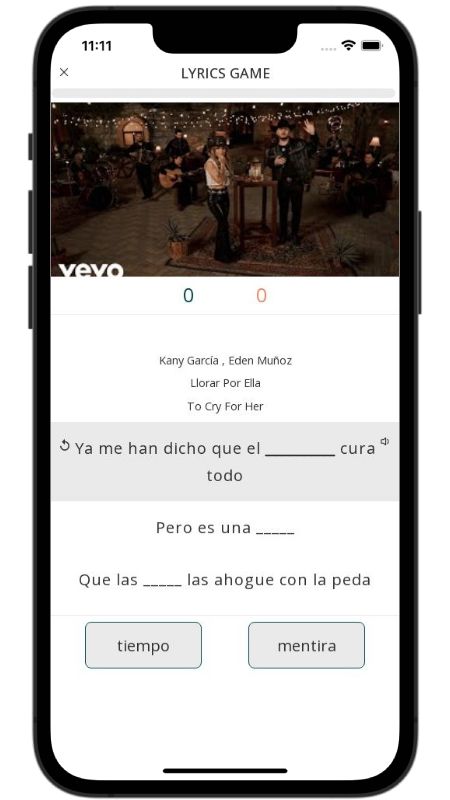
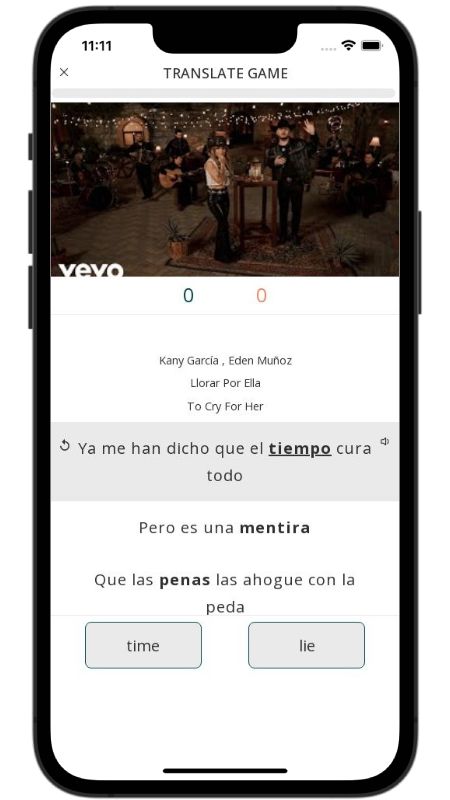
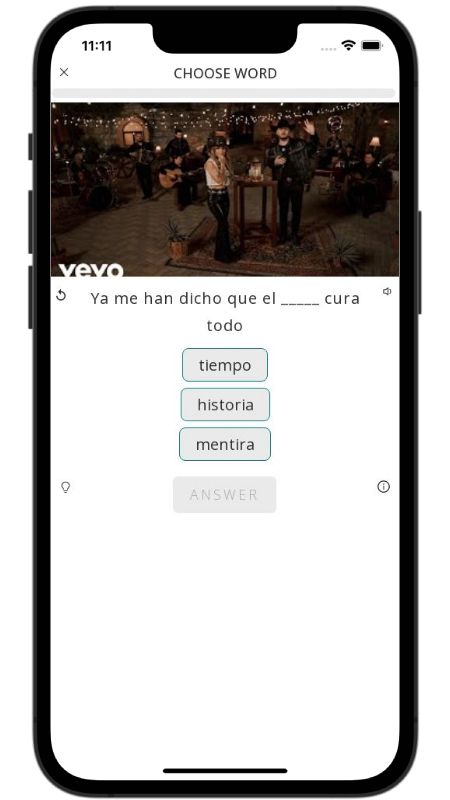
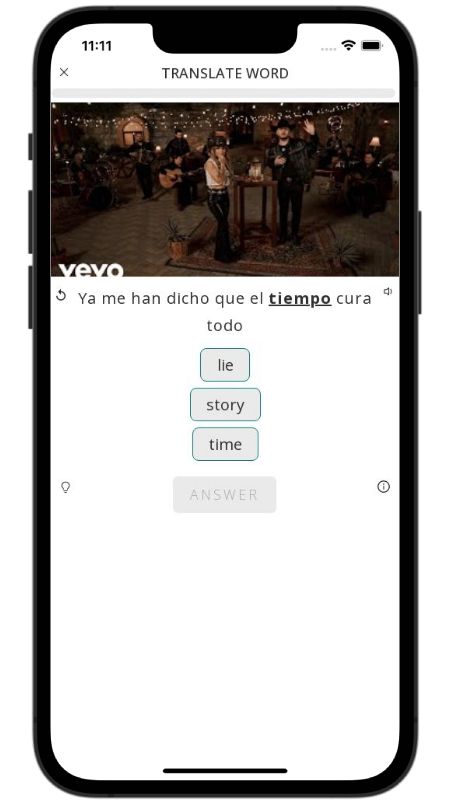
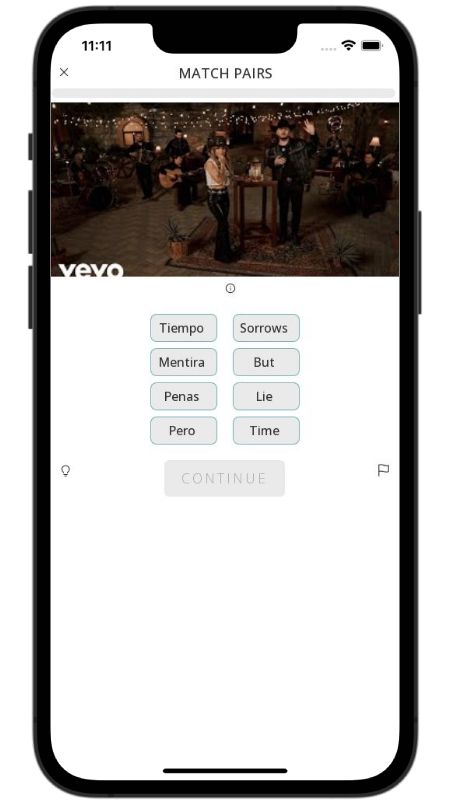
We have all heard the advice that time heals everything or that you can drown your sorrows in a drink. Puerto Rican singer Kany García and Eden Muñoz team up on "Llorar Por Ella" to tell you that advice is total nonsense. The lyrics kick off by debunking the drinking cure: "entre más pedo más me acuerdo" ("the drunker I get, the more I remember"). In Mexican slang, peda means a drinking binge and pedo means drunk. Instead of numbing the ache, alcohol backfires and turns into an obsessive loop of missing an ex.
What makes this track fun is how brutally honest and messy it gets. There is zero false pride here: "Y es que la verdad no tengo dignidad" ("And the truth is, I have no dignity"). The singer decides on a petty little game, refusing to call or text just to see if the other person panics and runs back. García compares the person to a mandatory stop on a train journey ("Ella es mi parada obligatoria"), while Eden vents about the unfairness of seeing an ex move on casually ("Tu cómo si nada y yo a penas sobrevivo" / "You acting like it's nothing while I barely survive"). It is an open surrender to wallowing, clinging to the wild hope that maybe life takes a turn and brings them back.


















![Mi Plan De Vida [con Abel Pintos] Lyrics Translation](https://img.youtube.com/vi/xK07C60J7HI/mqdefault.jpg)