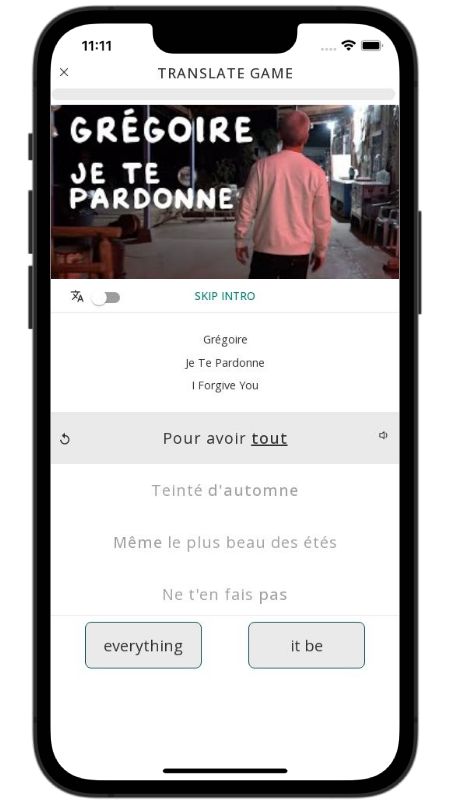
Je Te Pardonne Lyrics in English by Grégoire
Rancoeurs translates to "resentments" or "grudges." It's a strong and evocative word that captures deep-seated feelings of bitterness or ill will.
In the song, Grégoire sings, "Je ne garde pas les rancoeurs / De toutes mes années perdues" (I don't keep the resentments / Of all my lost years). This word is particularly interesting because it signifies a conscious decision to let go of past hurts, making it a powerful theme in the song about forgiveness and moving forward.
Je Te Pardonne by French singer-songwriter Grégoire is a tender letter of forgiveness written to a past love and to himself. The narrator looks back on a relationship that once painted every season in autumn colors, yet he chooses to let go of the hurt that clung to missed phone calls, lonely evenings, and unspoken words. Instead of fortifying his heartbreak like a fortress, he decides to tear down the walls and release every trace of bitterness, admitting that what they shared was still worth the risk of it all falling apart.
As the song unfolds, Grégoire walks the listener through a gentle process of healing: he forgives the other person for leaving, forgives himself for the time he spent trapped in pain, and ultimately forgives them both for not being perfect. With each “je pardonne,” he trades regret for wisdom and signals a fresh start where memories remain, but resentment does not. The message is clear and uplifting—true freedom comes when you drop the emotional baggage, thank the past for its lessons, and step forward with a lighter heart.