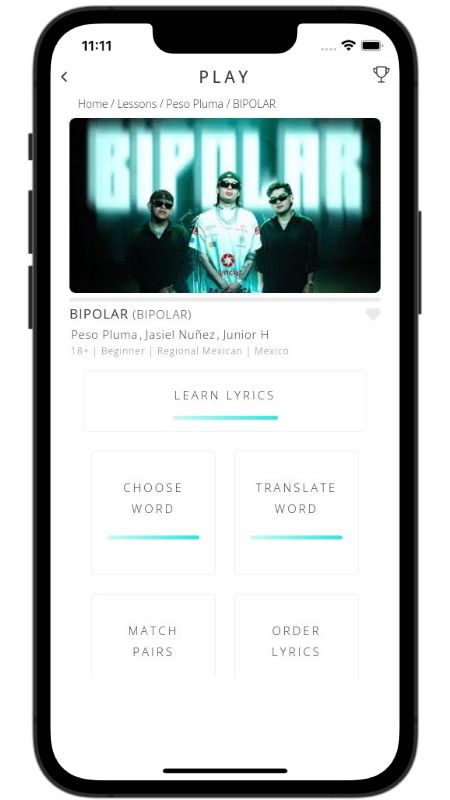
BIPOLAR Lyrics in English by Peso Pluma, Jasiel Nuñez, Junior H
While bipolar is a direct cognate, its colloquial use in this song is what makes it so interesting for a learner. Peso Pluma isn't making a clinical diagnosis, but rather using the word to express intense, conflicting emotions about a relationship.
He sings, "A veces no me entiendo, soy bipolar" (Sometimes I don't understand myself, I'm bipolar), capturing the emotional whiplash of going from wanting his ex back to deciding he's better off alone. It's a powerful, modern, and memorable way to describe the rollercoaster of a difficult breakup.
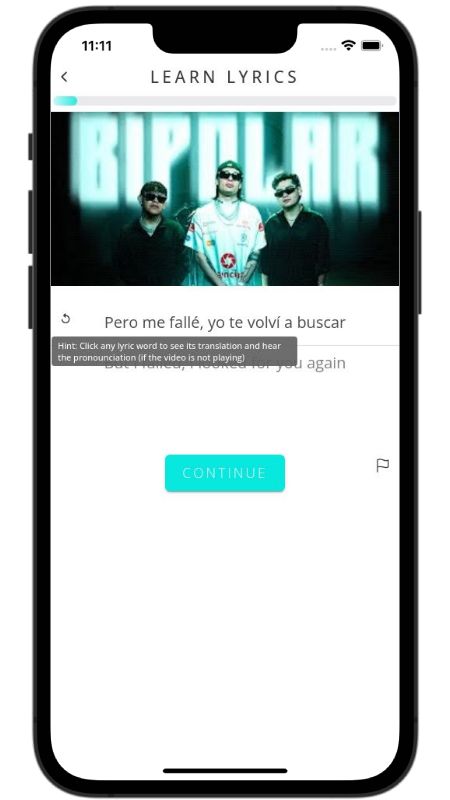
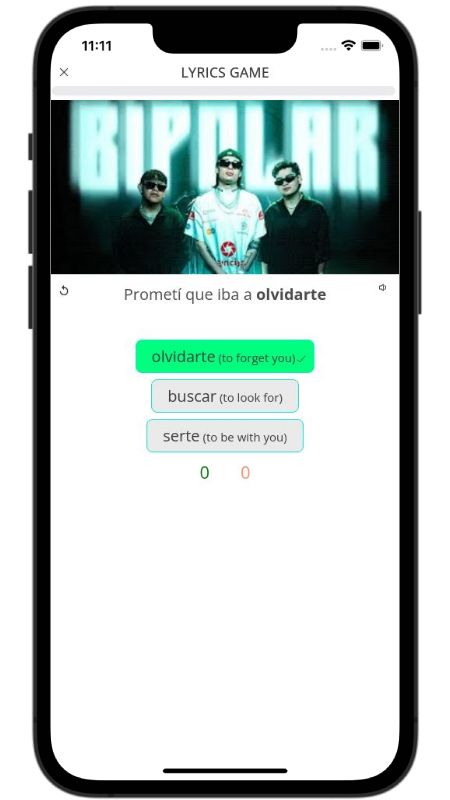
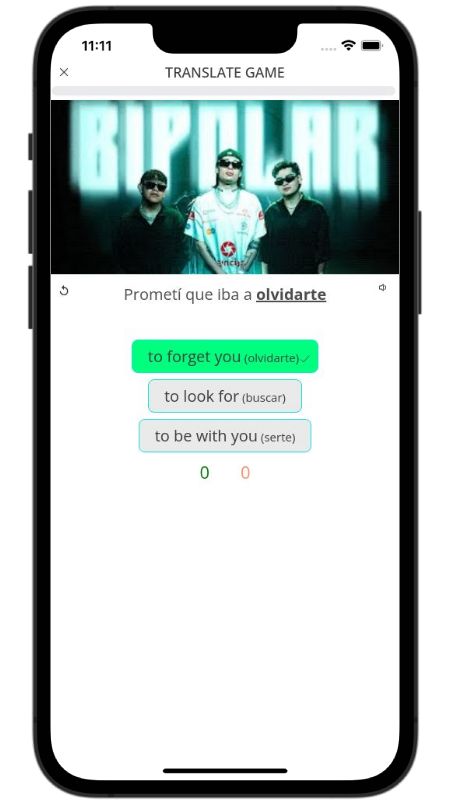
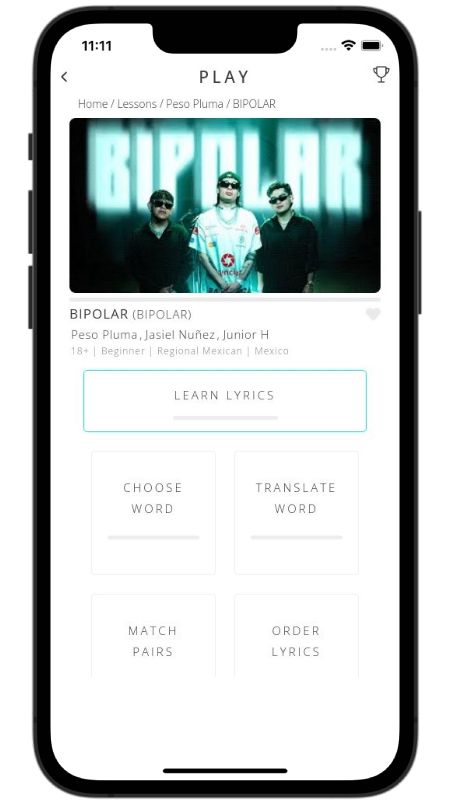
Mexican singer Peso Pluma joins forces with Jasiel Nuñez and Junior H on "BIPOLAR", a track about total romantic whiplash. One minute he makes a late-night phone call because he is too weak to resist, admitting "Prometí que iba a olvidarte / Pero me fallé" ("I promised I was going to forget you / But I failed myself"). Then, out of nowhere, his mood flips entirely. He lights up a joint ("Me prendí un gallo"—where gallo, literally 'rooster', is Mexican slang for a rolled joint) and instantly shrugs off the drama because he forgot why he was even upset in the first place.
That rapid back-and-forth between total heartbreak and complete detachment gives the track its name. After crying over the breakup, he decides romance is a waste of energy and chooses ambition instead: "Yo prefiero hacer dinero / Que malgastar mi tiempo con puros cuentos" ("I prefer making money / Than wasting my time on pure fairy tales"). It is a fun, blunt look at how messy breakups get when you bounce between missing your ex and focusing strictly on your bag.