Me Convertí Lyrics in English by Peso Pluma
Parrandero describes someone who loves to party, go out frequently, and enjoy themselves, often late into the night. It's more specific and colorful than a general term like 'fiestero'.
In the song, the artist sings, "Parrandero, mujeriego, me convertí por estar pa' ti" (A party animal, a womanizer, I became for being there for you). This word is key to understanding the transformation the singer undergoes, highlighting a lifestyle change that is central to the song's narrative.
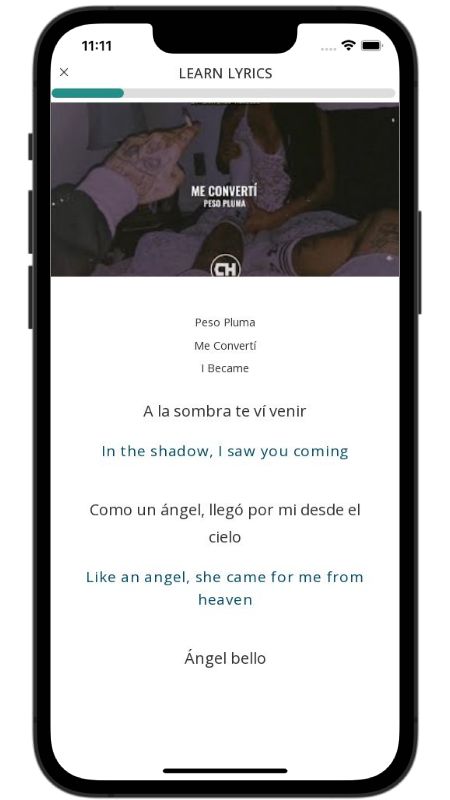
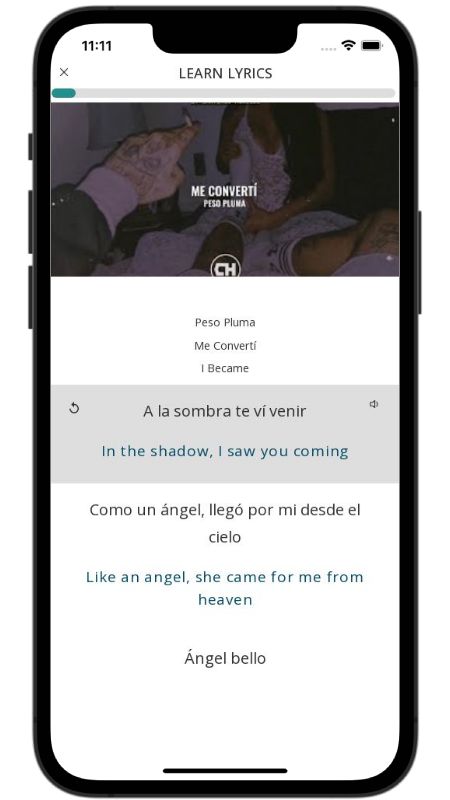
This song kicks off with such a sweet image! Peso Pluma remembers seeing his ex for the first time: "Como un ángel, llegó por mi desde el cielo" (Like an angel, she came for me from heaven). He was completely in love, longing for her "boquita roja" (little red mouth) and kisses. It sounds like a perfect romance, right? Well, things take a sharp turn.
Suddenly, he flips the script. He admits, "De veras que te extraño aquí / Pero ahora estoy mejor sin ti" (I really miss you here / But now I'm better without you). He says he's changed into a "Parrandero, mujeriego" (Party animal, womanizer) and blames the relationship for it. He claims he's not the person she used to like anymore, but insists, "No fue por mí" (It wasn't my fault). It's a classic breakup song full of contradictions, where he misses her but also boasts about being better off and tells her she'll never forget their moments together.