Luciérnagas Lyrics in English by Milo j, Silvio Rodriguez
Luciérnagas translates to "fireflies". It's a beautiful and somewhat whimsical word that isn't commonly found in everyday Spanish songs, making it stand out.
In the song, the artist uses "luciérnagas" to describe the light and life he sees deep within someone's heart, even after their passing. He sings, "Miro las luciérnagas que habían bien en lo profundo, en tu corazón" (I look at the fireflies that were deep, deep in your heart), creating a poignant image of enduring light and memory.
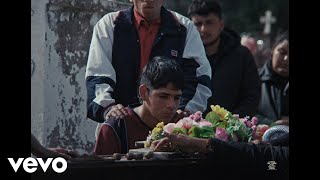
Milo J wrote this one for someone he lost, and he opens it with an Argentine kitchen ritual rather than a big statement: "Le cebé uno al cielo para ver si tal vez mirabas para acá" ("I brewed a mate for the sky to see if maybe you were looking over here"). Pouring a mate for a person who is not there is the whole song in one gesture. The chorus then refuses the funeral outright: "Yo no veo tu cara en el ataúd, veo un ser de luz desaparecer" ("I do not see your face in the coffin, I see a being of light disappear"). The fireflies of the title are what he watches instead, "acostumbradas a oír tu voz" ("used to hearing your voice").
The second verse is where he stops being gentle about it. "Por la noche exploto y pienso en terminar con todo y volver a mí" ("At night I break down and think about ending it all and going back to myself") sits a line away from the softest image in the song, blushing cheeks and "sentimientos de cristal" ("feelings made of glass"). Then he picks a fight with the obvious consolation: "Dicen que el ser humano valora el tiempo cuando no hay" ("They say people value time when there is none left"), and his answer is that he already did the valuing, every second of it. The song ends on twelve repetitions of "Te veo, te sueño y te extraño" ("I see you, I dream of you and I miss you"), which is less a chorus than someone refusing to stop saying it.