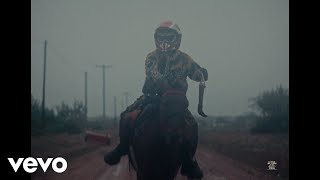
Radamel Lyrics in English by Milo j, Radamel
Urpila is a beautiful and somewhat regional term for a dove or turtledove, often associated with solitude or longing in folk traditions.
In the lyrics, the phrase "Solito como la urpila" (Alone like the turtledove) evokes a poignant image of loneliness and melancholy, painting a vivid picture of the singer's emotional state. It's a word that adds a touch of poetic depth and cultural flavor to the song.
"Radamel" pairs Milo J with folk artist Radamel and drops the trap sound entirely for straight Argentine folklore. The song opens on a guitarrero already drunk before he even starts playing: "Ovillado por el vino" [Curled up by wine]. His singing is treated as something physical, something the whole night reacts to: "Tu canto eriza la noche" [Your song raises goosebumps on the night].
He's broke and he doesn't care. "Guitarrero enamorado" [Guitar player in love] and "Abraza'o con la pobreza" [Embraced with poverty] sit back to back, so the love is clearly for the music rather than for money. Even the stars are in on the mourning: "Mira del cielo llorando el ayer" [Look at the sky, crying over yesterday] and "Las estrellas con tristeza" [The stars, with sadness]. He calls himself "Solito como la urpila" [Alone like the urpila, a wild dove], right before the song brings in a name from the folk tradition it's drawing on: "Coquito Cáceres canta" [Coquito Cáceres sings]. It ends where it started, on the same drunk, lonely guitar player, still going: "Canta pechando las penas su voz" [His voice sings, pushing through the sorrows], "de su bohemia atormentada" [from his tormented bohemian life].