ALUMBRE Lyrics in English by MILO J, Nicki Nicole
Alumbre comes from the verb alumbrar, meaning 'to illuminate' or 'to light up'. While 'iluminar' is more common, 'alumbrar' often carries a slightly more poetic or traditional feel, especially when referring to natural light sources like the sun or moon.
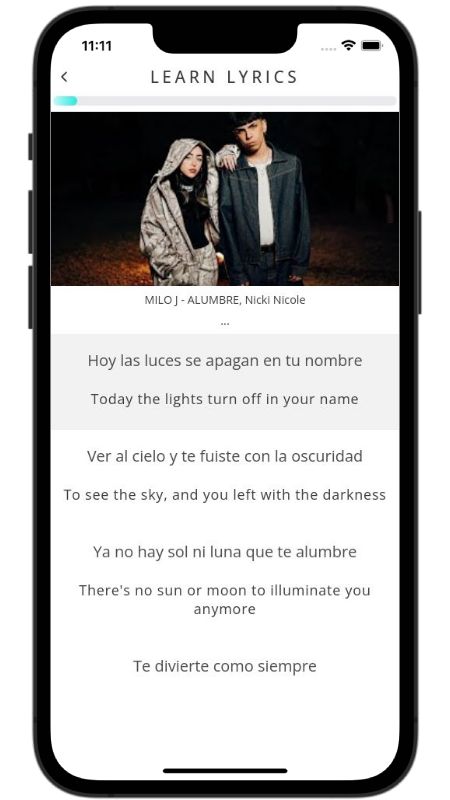
In the song, the line "Ya no hay sol ni luna que te alumbre" (There is no sun or moon to light you up anymore) powerfully conveys a sense of abandonment and despair. It's a central theme of the song, highlighting the loss of guidance and warmth, making it a memorable and evocative word.
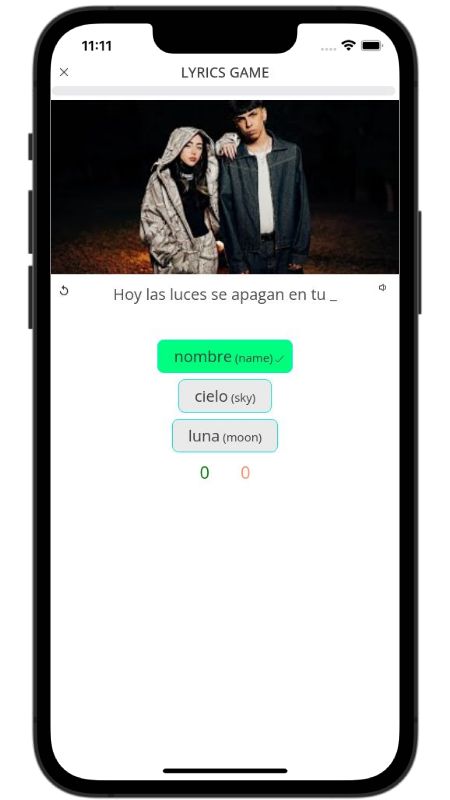
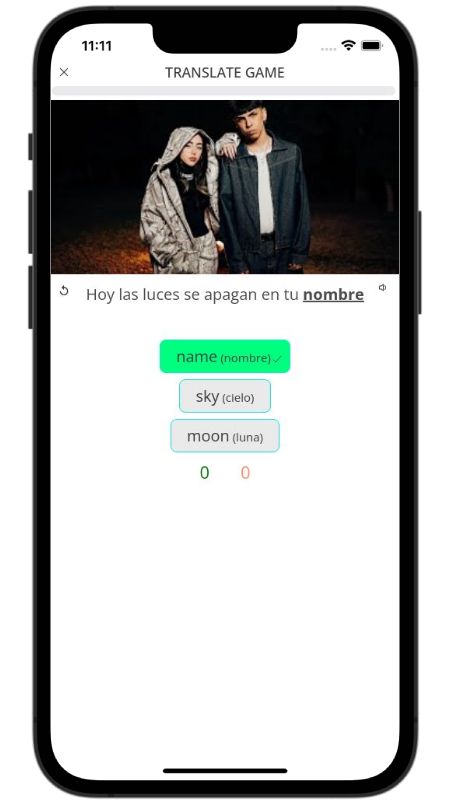
In "ALUMBRE", Argentine rap prodigy MILO J teams up with Nicki Nicole to trade bruised perspectives after a messy fallout. The chorus sets a bleak scene: "Hoy las luces se apagan en tu nombre" ("Today the lights go out in your name"), turning a breakup into literal darkness where neither the sun nor the moon will guide the other person anymore. Nicki Nicole takes the first verse with zero patience left. She cuts right to the point with "Sé que nunca fuiste to' lo que prometiste" ("I know you were never everything you promised"), contracting todo down to the everyday slang to'. Her delivery is blunt: she is exhausted from being the only one crying, refusing to let someone else drag her into the shadows.
Then MILO J jumps in, sounding completely wrecked behind a fake grin. He confesses, "Me ven sonriente y aún no conseguí estar bien" ("They see me smiling and I still haven't managed to be okay"). You can feel the distinct Argentine flavor in his phrasing when he shouts "volvé" ("come back") and admits, "Por vos vi lo que es llorarle a una mujer" ("Because of you I learned what it is to cry over a woman"). The use of vos instead of tú roots his pain squarely on home turf. He ends up begging for a flicker of light before he loses his way entirely, contrasting Nicki's firm exit with his own stubborn, messy regret.