PRC Lyrics in English by Peso Pluma, Natanael Cano
Plebita is a colloquial term from Northern Mexico, especially the state of Sinaloa, used to refer to a young woman or girl. It's the diminutive form of plebe, which means 'common folk' or 'the kids'.
This word is a hallmark of the corridos tumbados genre. When Peso Pluma sings about a plebita calling him, he's using authentic regional slang to paint a vivid picture of his world, making you feel like you're getting an inside look at the culture behind the music.
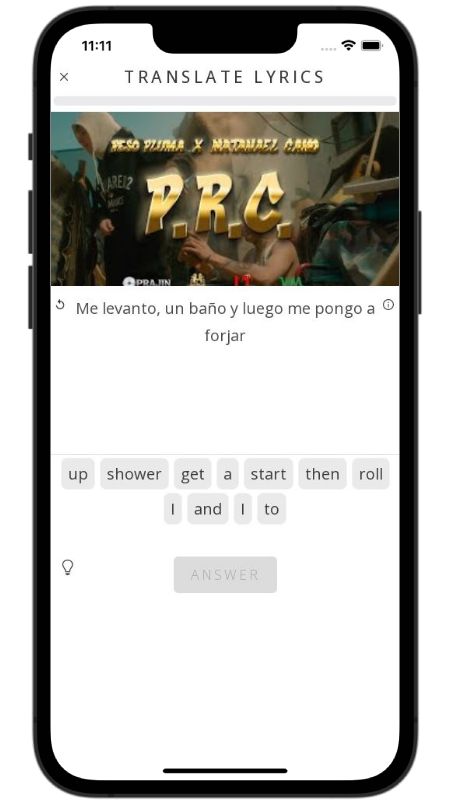
"PRC" gets its name straight from the chorus hook: "Polvo, ruedas y también cristal" [powder, pills, and crystal meth]. Mexican artists Peso Pluma and Natanael Cano team up to drop you right into the middle of their fast, hectic daily routine in the corrido tumbado world. The morning starts without missing a beat: "Me levanto, un baño y luego me pongo a forjar" [I wake up, take a shower, and then roll one up]. Between constant phone calls from clients buying product and women (plebitas) reaching out, there is zero downtime.
What makes the track so catchy is the casual, high-roller swagger. They brag about luxury streetwear like "las Balenciaga" and "Silver LV" [Louis Vuitton] while wrapped up in illegal runs with tightly wrapped packages ready to cross borders: "No hay pendiente, no puedo fallar" [No worries, I can't fail]. Even with all the danger, the mindset is strictly forward-looking and carefree: "De esta vida no me voy a quejar / ¿Para qué vamos a voltear pa'tras?" [I won't complain about this life / Why look back?].