La Melena Lyrics in English by Peso Pluma
Desmadroso is a colorful and informal Spanish adjective that describes someone who is wild, rowdy, or a troublemaker. It comes from the word "desmadre," which refers to chaos or a mess.
In the context of "La Melena," the lyric "Era desmadroso, se metía en problemas" (He was rowdy, he got into trouble) immediately paints a vivid picture of the protagonist's rebellious past. It's a word that captures a certain youthful energy and a disregard for rules, making it memorable and engaging for learners.
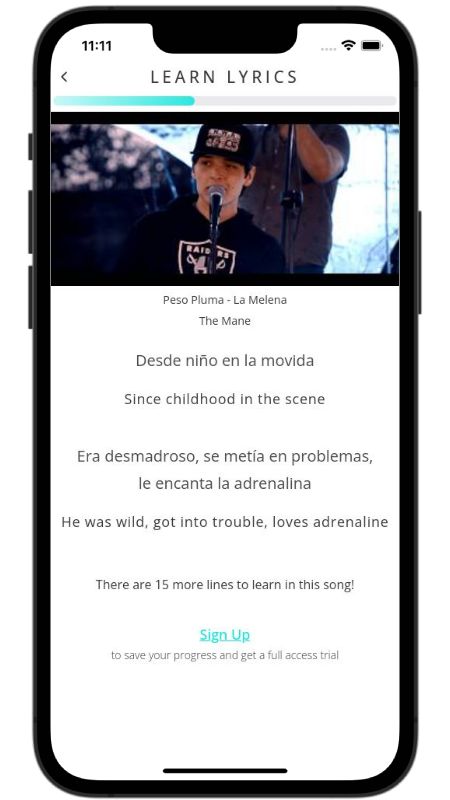
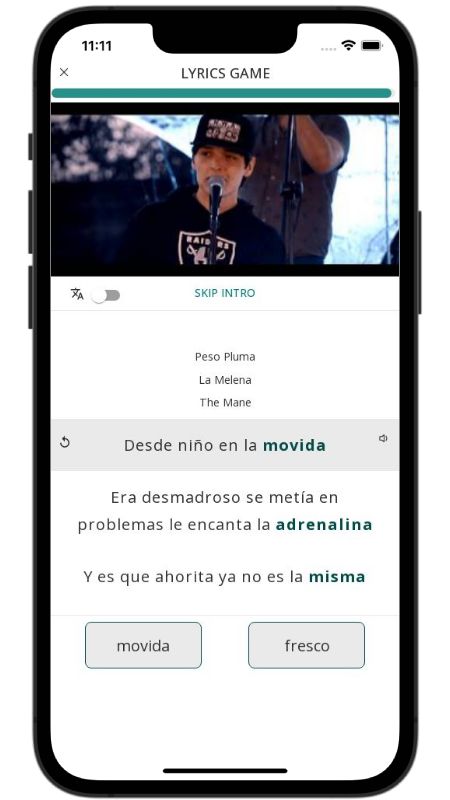
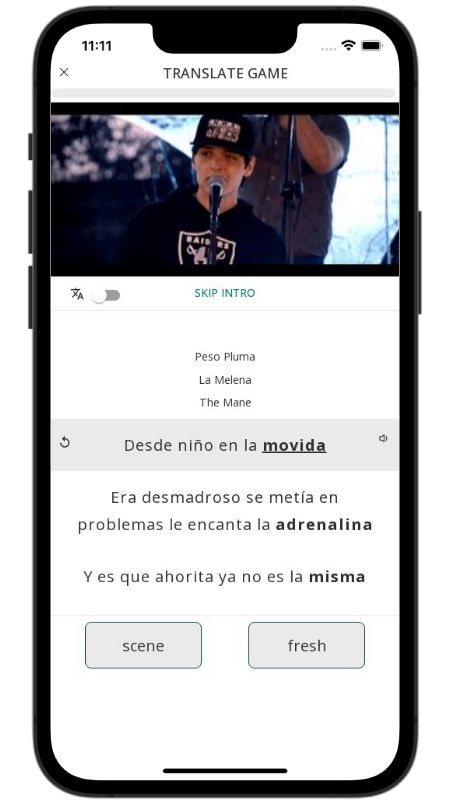
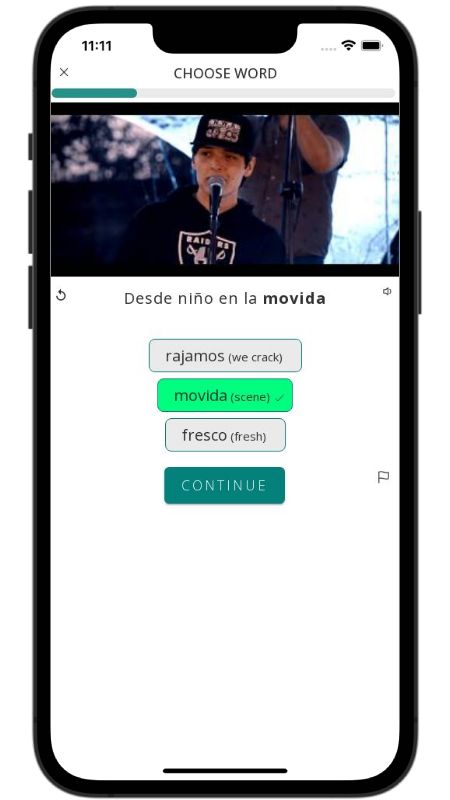
Peso Pluma leans hard into the swagger of corrido tumbado in La Melena, looking back at growing up wild and turning that restlessness into cold cash. Right away, he admits that as a kid he was a troublemaker hooked on adrenaline: "Desde niño en la movida / Era desmadroso, se metía en problemas, le encanta la adrenalina" ("Since he was a kid in the hustle / He was a hell-raiser, he got into trouble, he loves adrenaline"). The Mexican slang desmadroso is great to learn here; it comes from desmadre (total chaos), basically labeling someone a wild nuisance who refuses to follow the rules. But youthful chaos turns into serious business as an adult. He points out that things have changed and making money is the top priority: "Hay que hacer billetes nunca soltaremos la mano por la rendija" ("We have to make bills, we'll never slip our hand through the peephole/bars"). There is also a blunt nod to cartel reality and family behind bars: "a los primos extrañamos / Pronto saldrán del encierro, nos pegaron recio, pero a Serafín soltaron" ("we miss the cousins / Soon they'll get out of lockup, they hit us hard, but they released Serafín"), directly calling out real-world legal blows and releases.
From there, the track glides into pure road-trip luxury and street business across borders. He stakes his loyalty with the line "Puesta la camisa de VZ no rajamos" ("Wearing the VZ shirt, we don't back down") while smoking a joint back home: "en Culichi quemó un gallo" ("in Culiacán I burned a rooster/joint"). Culichi is the everyday slang nickname for someone or something from Culiacán, Sinaloa. Soon after, he is driving trucks down south: "Trokiando navego no soy de califas pero sí rolamos en San Diego" ("Cruising in trucks, I'm not from California but we do roll in San Diego"). He sports a Chicago Bulls cap while taking care of business in the Windy City ("a los clientes bien surtidos llegamos"), drops serious cash in Las Vegas, and winds down enjoying the high life: "Un blunt bien bañadito con aquella miel de abeja" ("A blunt well-dipped in that honey"). It is a fast, unfiltered tour through street runs, prison mentions, and luxury party smoke.