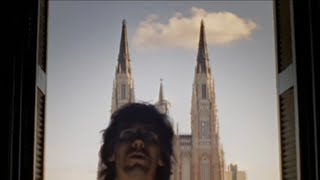
Del Otro Lado De La Ciudad Lyrics in English by Guasones
Derroche translates to "waste" or "extravagance." It's an interesting word because it implies an excessive or lavish spending of something, not just money, but also time or energy.
In the context of the song, the lyrics "me pierdo por las noches de Inconsciencia y derroche" (I get lost on nights of unconsciousness and extravagance/waste) suggest a period of wild, perhaps reckless, living. It paints a picture of someone indulging in excess, which adds a layer of intrigue to the narrative.
Guasones's "Del Otro Lado de la Ciudad" is a fantastic rock song that really captures that feeling of longing and distance. The singer is clearly smitten, describing someone as "hermosa" [beautiful], "exótica y diabólica, perfecta y platónica" [exotic and diabolical, perfect and platonic]. It's a bit of an intense description, isn't it? He's so taken that he says, "mis piernas de mujer vienen hacia mí y ya no sé quién soy" [my woman's legs come towards me and I no longer know who I am], which is a really interesting and almost disorienting image of being completely overwhelmed.
But there's a catch: this person is "del otro lado de la ciudad" [on the other side of the city], and even "desde el Uruguay está pensando en mí" [from Uruguay, she is thinking of me]. So, while he's here, "que muero por ver bocas sonreír" [dying to see mouths smile], he's also getting lost in "noches de inconsciencia y derroche" [nights of unconsciousness and excess]. The distance and his wild nights mean "los horarios no me ayudan y no te puedo ver" [the schedules don't help me and I can't see you]. It's a cool mix of passionate admiration and the frustrating reality of not being able to connect.