Sadness, Pt. 2 : Voleur Lyrics in English by GLK
Voleur translates directly to "thief." It's an intriguing word that immediately suggests a narrative of crime or betrayal, making it stand out from more common vocabulary.
In the context of the song, GLK uses "voleur" to describe people who pretend to be tough or authentic but are actually fake or have given up their principles. He contrasts them with himself, implying that while they might act like thieves, they've ultimately "rendered" everything, losing their credibility.
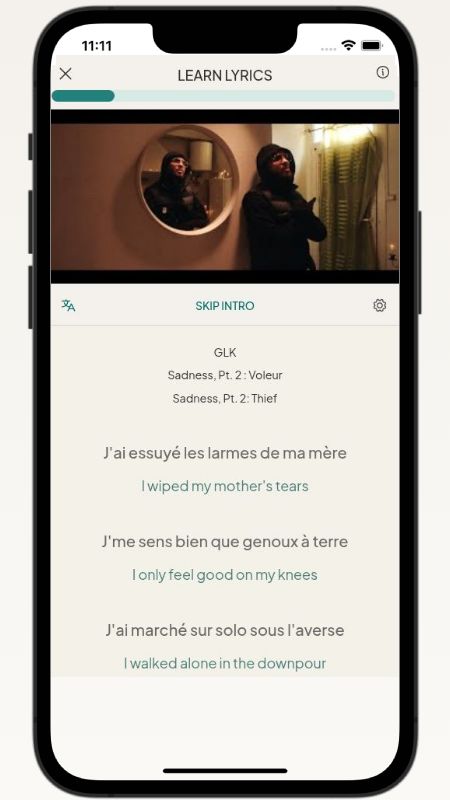
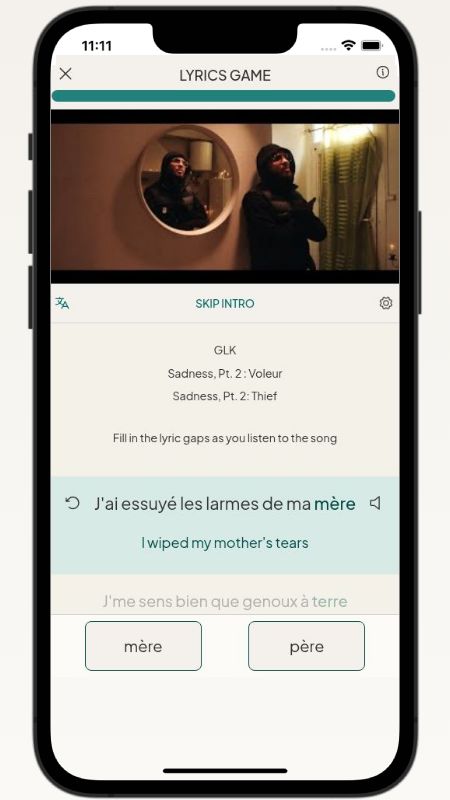
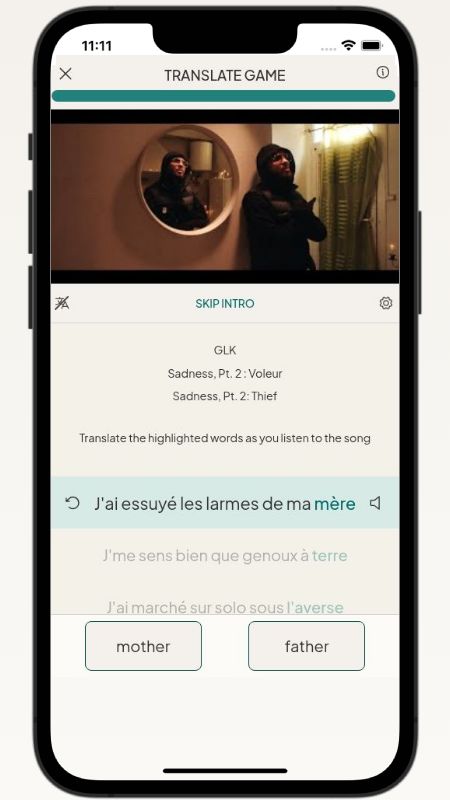
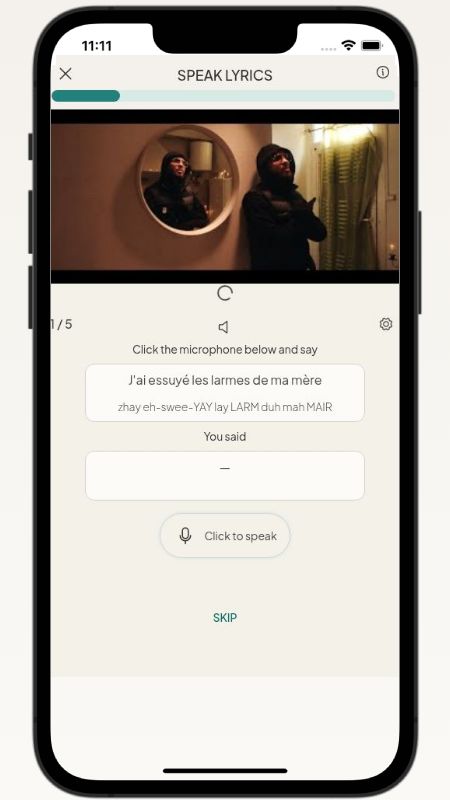
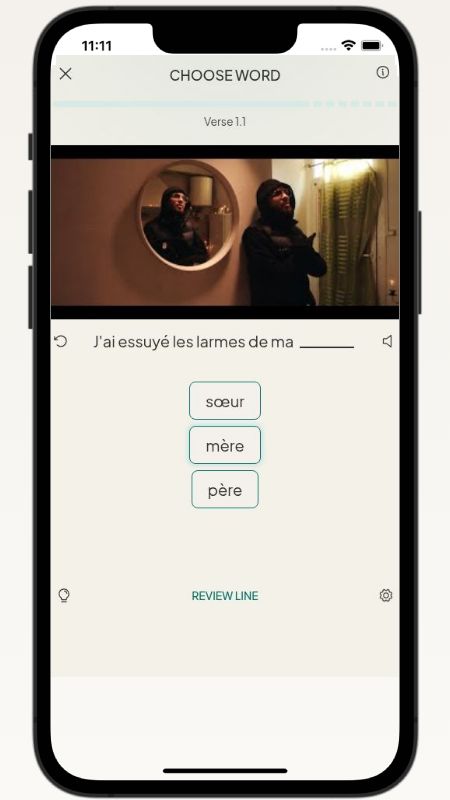
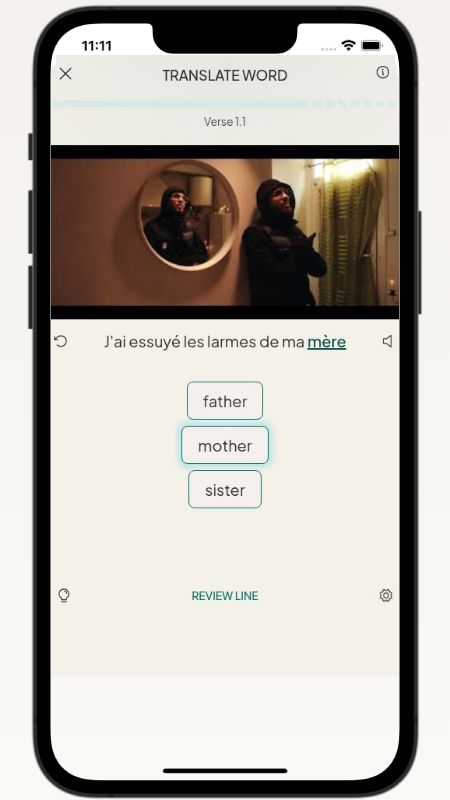
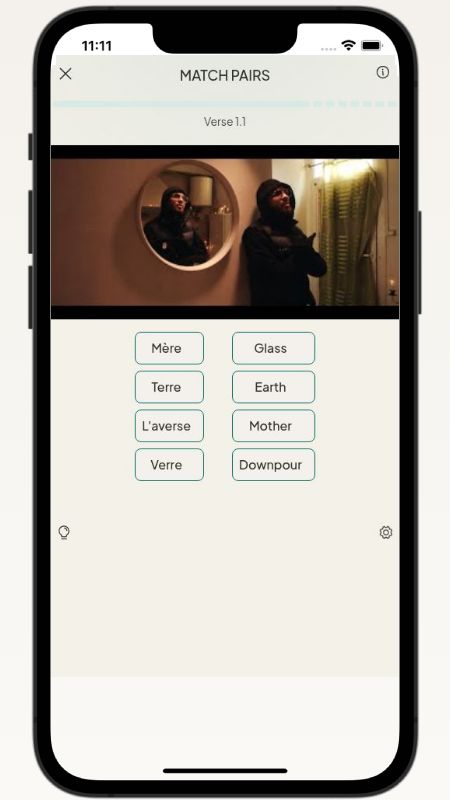
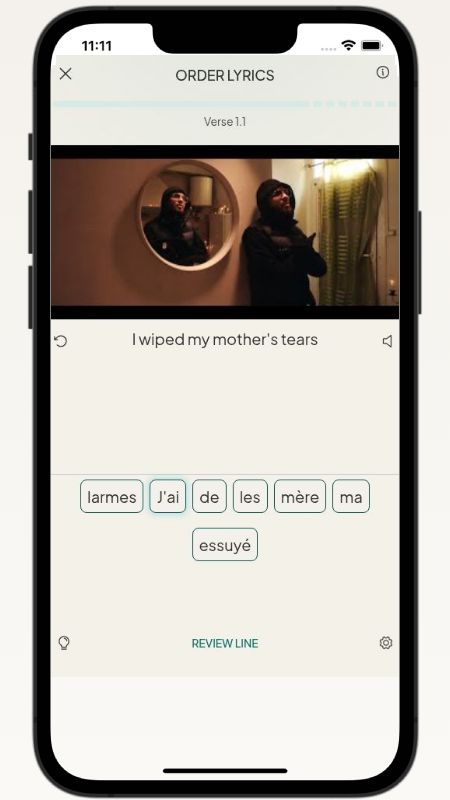
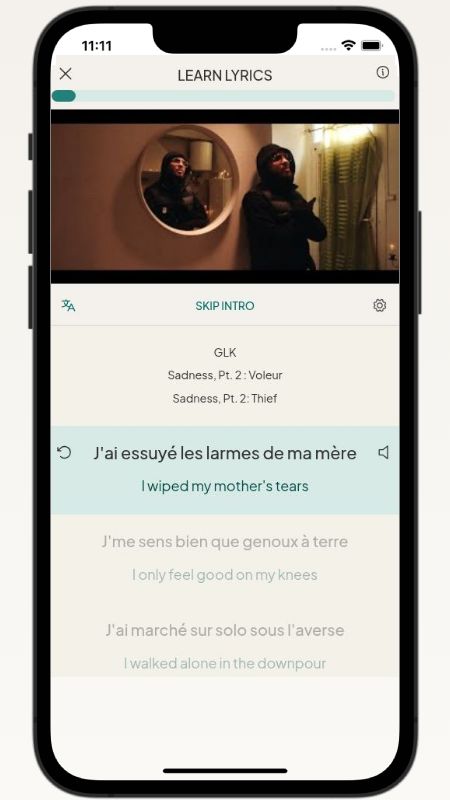
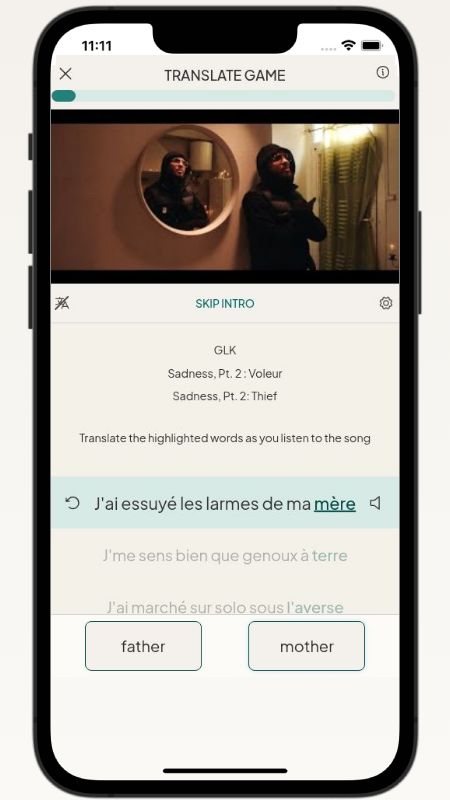
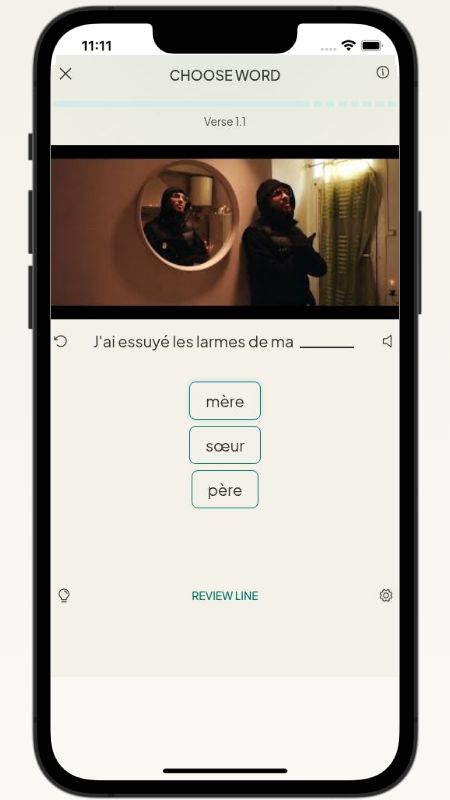
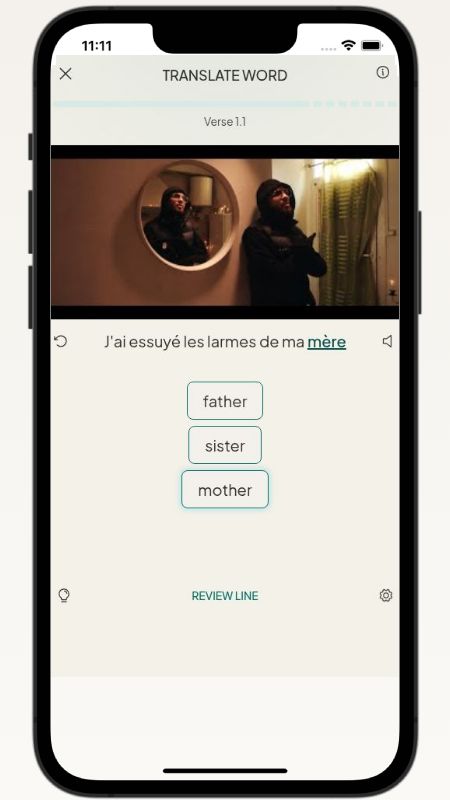
This song is a powerful statement about overcoming hardship and dealing with fake people. GLK paints a picture of a tough past, where he had to comfort his family (J'ai essuyé les larmes de ma mère [I wiped my mother's tears]) and face challenges alone (J'ai marché sur solo sous l'averse [I walked solo in the downpour]). He's so self-reliant that he says, Même dans l'désert j'vais refuser ton verre (Even in the desert I'll refuse your glass). He calls out people who weren't there for him during the struggle but only criticized him.
Now, he contrasts that past with his current success and ambition. He talks about flying to the Maldives and adding diamonds to his watch. But the core message is about authenticity. He repeatedly criticizes those who pretend to be something they're not: À trop faire le vrai, en vrai, t'es pas vrai (By trying too hard to be real, in reality, you're not real). He sees through the facade of people who act tough but are really sellouts. Ultimately, he sees his biggest challenge as himself: D'vant l'miroir, j'vois mon seul adversaire (In front of the mirror, I see my only opponent).