Virgen Lyrics in English by Adolescent's Orquesta
Marchitó means "withered" or "faded", a word usually used to describe a dying flower. It's a beautifully sad and poetic term you won't hear every day.
In this song, the singer uses it as a powerful metaphor: "Aquel que pisó la rosa y creyó que se marchitó" (The one who stepped on the rose and thought it withered). He's referring to a past lover who hurt the woman he now loves, comparing her to a delicate rose that was damaged but not destroyed, setting the stage for him to help her bloom again.
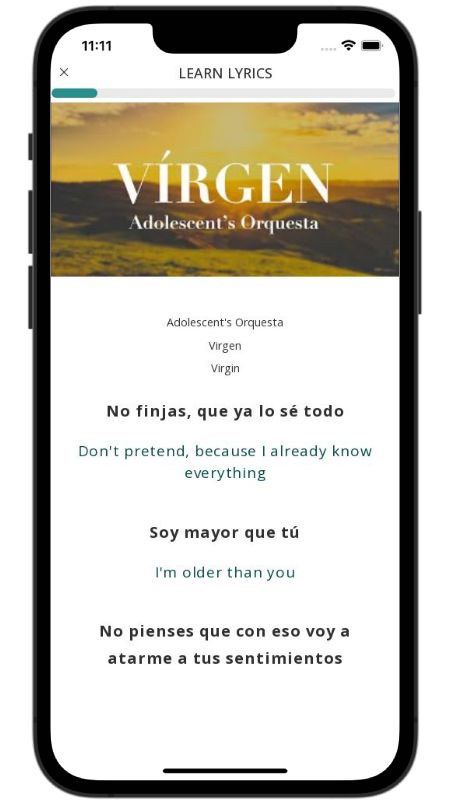
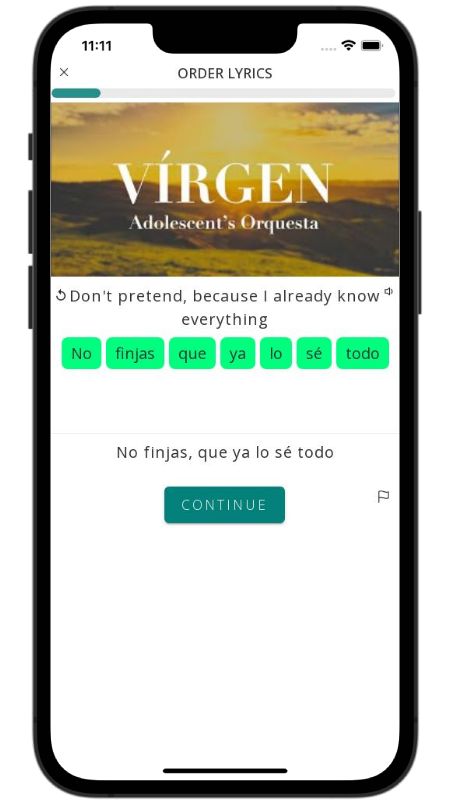
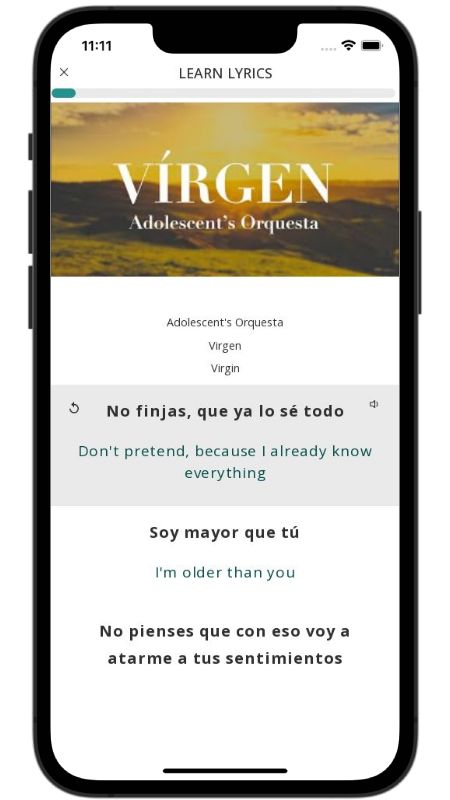
Adolescent's Orquesta tackles heavy romantic drama in "Virgen", turning what could be an awkward confrontation into a passionate salsa promise. The singer starts by being blunt with his partner, telling her to stop pretending: "No finjas, que ya lo sé todo... No es tu primera vez, ya me di cuenta" ("Don't pretend, I know everything... It is not your first time, I already realized"). Instead of judging her, he tells her to dry her tears ("Ya no llores, ya no temas" / "Don't cry anymore, don't fear anymore") and insists that past intimacy does not define true love ("Eso no es todo en el amor" / "That's not all there is to love").
He uses the metaphor of someone trampling a flower to describe how an ex hurt her: "Aquel que pisó la rosa y creyó que se marchitó / Yo aquí fui el escogido para levantarte" ("The one who stepped on the rose and thought it withered / I was chosen here to lift you up"). He even apologizes for showing up late to her life ("Perdóname a mí por llegar tarde" / "Forgive me for arriving late"). The track delivers an intensely devoted message where he promises to protect her, love her body and soul, and start a fresh chapter together.