Solo Mintio Lyrics in English by La Santa Grifa
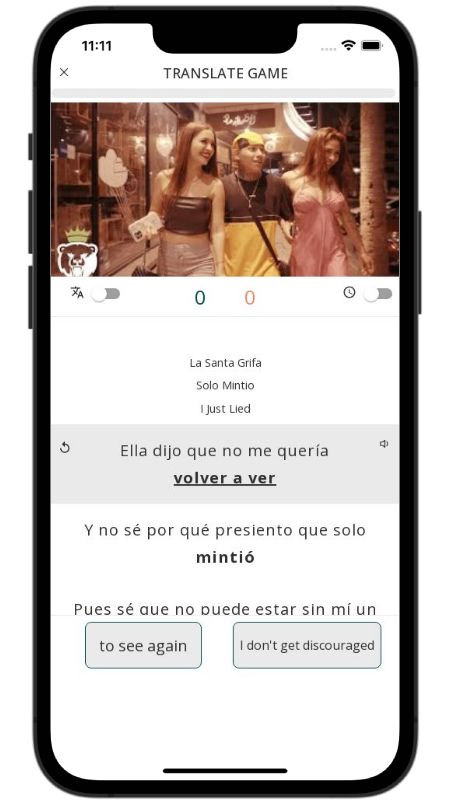
Agüito comes from the verb agüitarse, which is a common informal or slang term in Mexico and other parts of Latin America meaning "to get sad," "to get down," or "to feel discouraged."
In the song, the artist sings, "Ya no me agüito me la paso contento" (I don't get sad anymore, I spend my time happy). This word is interesting because it's not a formal verb like entristecerse, but rather a more colloquial and expressive way to describe feeling down, making it very authentic to the song's style and offering a glimpse into everyday Spanish usage.
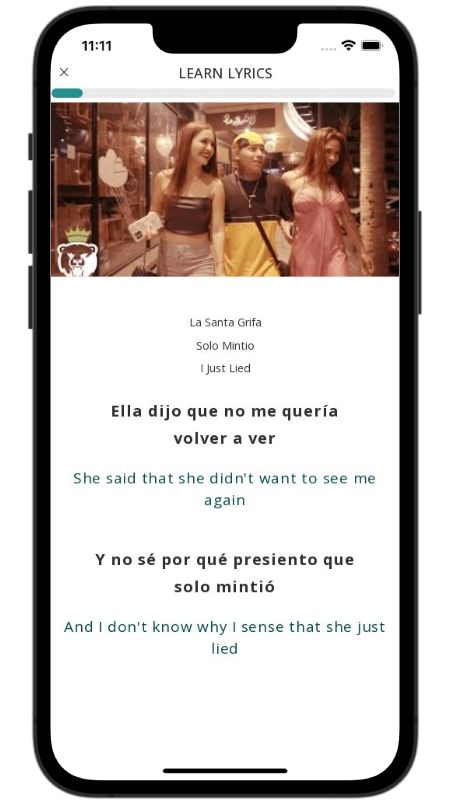
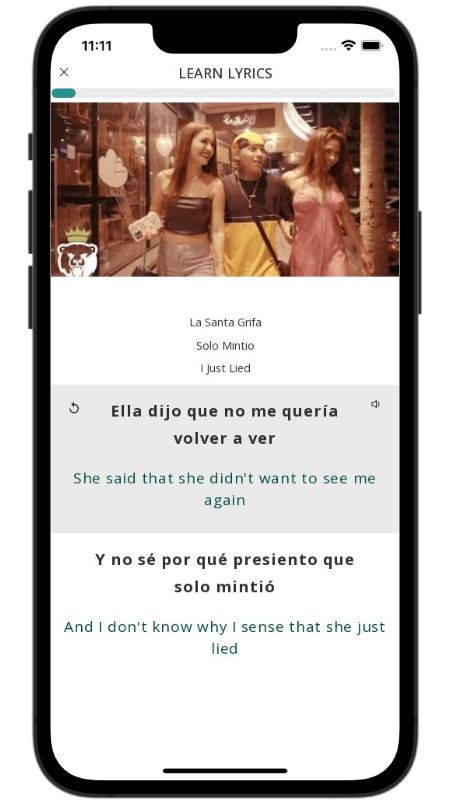
This song is one of the most confident breakup anthems you'll ever hear. The singer's girlfriend has just left him, saying she never wants to see him again. His reaction? He thinks she's lying. He opens with the line, "Ella dijo que no me quería volver a ver / Y no sé por qué presiento que solo mintió" (She said she didn't want to see me again / And I don't know why I feel like she was just lying). He's completely sure she can't live without him and will come back, just like all the others. He even compares his inability to leave her to his weed habit, asking, "Si no he dejado la mota, chiquita / ¿O a poco tú crees que voy a abandonarte?" (If I haven't quit weed, little one / Do you really think I'm going to abandon you?).
While he waits for her inevitable return, he's not exactly sitting at home crying. He describes a life of partying with other women, drinking beer, and smoking. He boasts that there are so many women interested in him it looks like they're in a parade. But then, in a surprising twist, the song includes a female voice. She says she has a new man who makes her feel like a woman and that thinking about her ex still affects her physically: "Si te pienso, termino tocándome" (If I think of you, I end up touching myself). This adds a whole new layer, making you wonder if his confidence is justified or if he's just trying to convince himself.