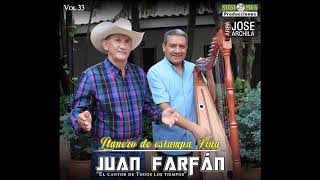
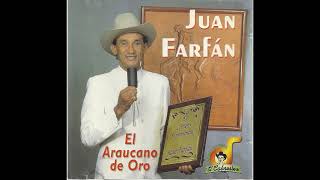
Grito Araucano Lyrics in English by Juan Farfan
Araucano refers to the Mapuche people, an indigenous group from Chile and Argentina. It's a culturally significant word that immediately evokes a sense of place and heritage.
In "Grito Araucano," the title itself, this word is central to the song's identity, suggesting a powerful cry or expression from this specific cultural background. It's a unique and evocative term that stands out from everyday vocabulary.
Juan Farfán's "Grito Araucano" is a powerful declaration of identity and pride in one's roots. He sings about bringing a message of celebration, one that his voice carries "popular por las ciudades por los campos" [popular through the cities, through the fields]. He believes everyone needs to learn this truth, especially those who might not recognize it.
He challenges listeners, asking if they would abandon their mother in a forgotten corner, much like some might forget their origins. Farfán proudly states, "soy de estas piernas no puedo negar mi raza y la niego niego a mis padres también" [I am from these lands, I cannot deny my race, and if I deny it, I also deny my parents]. He sees it as an honor to acknowledge where you come from and isn't ashamed to declare his heritage until he dies. It's a blunt, heartfelt reminder to always remember and embrace your background.