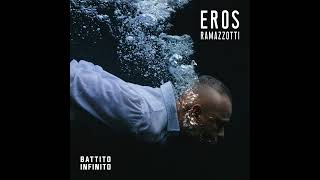
Un Grosso No Lyrics in English by Eros Ramazzotti
Imbavagliarla is a vivid and somewhat dramatic verb that means "to muzzle it" or "to gag it". It's not an everyday word, making it quite memorable.
In the context of "Un Grosso No", Eros Ramazzotti uses this word to refer to the truth. He sings, "Diretta a chi / Vorrebbe imbavagliarla così" (Directed at those / Who would want to muzzle it like that). This powerful imagery emphasizes the idea of silencing or suppressing the truth, making it a key word in understanding the song's message of speaking out against injustice.
Eros Ramazzotti opens with the title itself, flat and plain: "Un grosso no" [A big no]. The whole song is that refusal growing louder. He asks someone to say it with him, "Lo liberiamo insieme io e te" [You and I release it together], and once it's out, "Almeno un po' di vento si muoverà" [At least a little wind will stir] "Fra i blocchi di cemento quaggiù" [through the concrete blocks down here] - as if one word said out loud could actually move a wall.
The chorus turns the refusal into a promise. The truth will rise "Che dal basso della notte salirà" [that from the depths of the night will rise], and it will be a truth "A non tacere mai" [that will never be silent], "A non scappare mai" [that will never run away]. Later he circles back to the same feeling stuck in the body: "Un grosso nodo in gola" [A big lump in the throat], the exact thing somebody out there would love to gag, "Vorrebbe imbavagliarla così" [would want to gag it like this]. It plays like a ballad but it argues like a protest song, and by the last chorus Ramazzotti isn't asking permission anymore.