Quizás Lyrics in English by Enrique Iglesias
Marcha atrás literally translates to "reverse gear," like in a car. It's a fantastic idiomatic phrase that means 'to go backwards' or 'to backtrack'.
In this poignant song about his father, Enrique Iglesias uses it metaphorically, singing "A veces hemos ido marcha atrás" (Sometimes we have gone backwards) to describe the regressions and setbacks in their relationship. It’s a perfect example of how a practical phrase can be used poetically to express a complex, relatable feeling.
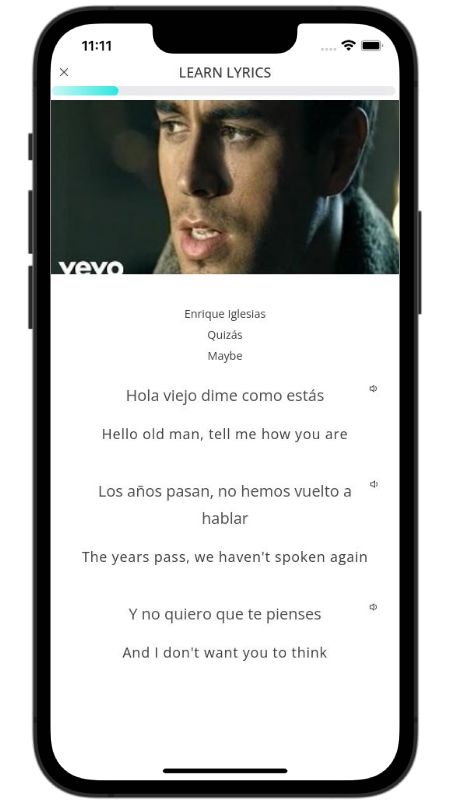
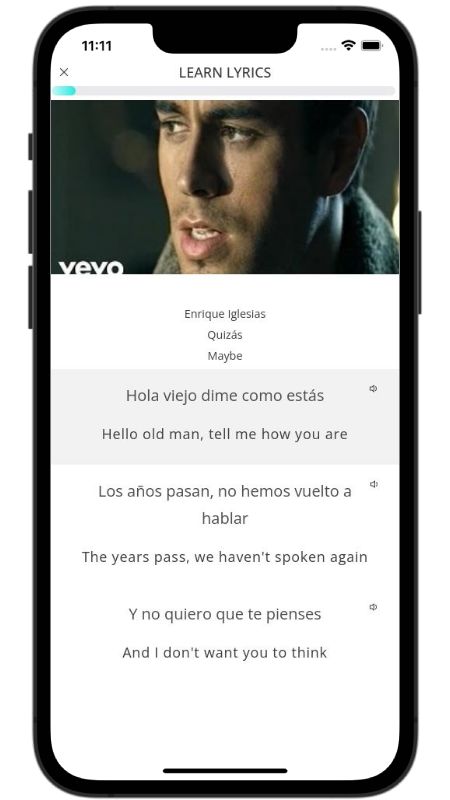
This song feels like listening in on a very personal phone call that's been a long time coming. Enrique Iglesias is singing to his father, who he calls "viejo" (old man), after years of not speaking. He starts off simply, asking "Hola viejo dime como estás" (Hello old man, tell me how you are), and quickly makes it clear he hasn't forgotten him. He gives a quick update on his own life, saying he's working as usual but also admits to a deep loneliness: "Aunque confieso que en mi vida / Hay mucha soledad" (Although I confess that in my life / There is a lot of loneliness).
Despite their differences and past arguments, he feels a powerful connection, saying "En el fondo tú y yo somos casi igual" (Deep down, you and I are almost the same). The chorus is full of these maybes, wondering why they've drifted apart. Maybe they're just too different, like one person looking for a desert while the other looks for the sea. But through it all, there's this surprising twist of love. He realizes that despite the distance and the disagreements, or maybe because of them, "gracias a la vida hoy te quiero más" (thanks to life, today I love you more).