Il Y Aura Lyrics in English by Claudio Capéo
Féconde translates to "fertile" or "fruitful". While often used in a biological sense, it's used here metaphorically to describe a rich and abundant joy.
In the lyrics, "la joie féconde" (the fruitful joy) suggests a joy that is not only deep but also generative, producing more happiness and positivity. It's a beautiful and less common adjective that adds depth to the song's message of hope and shared happiness.
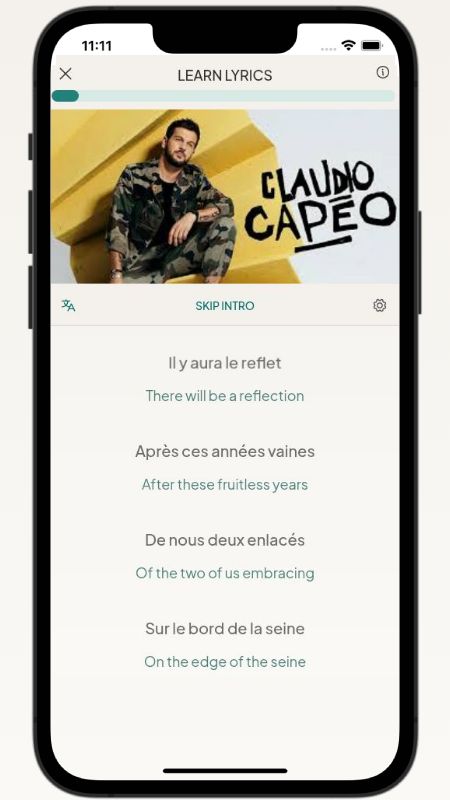
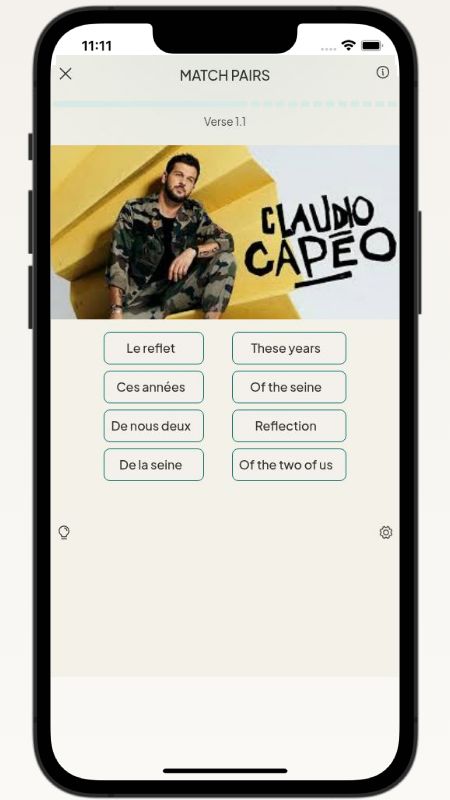
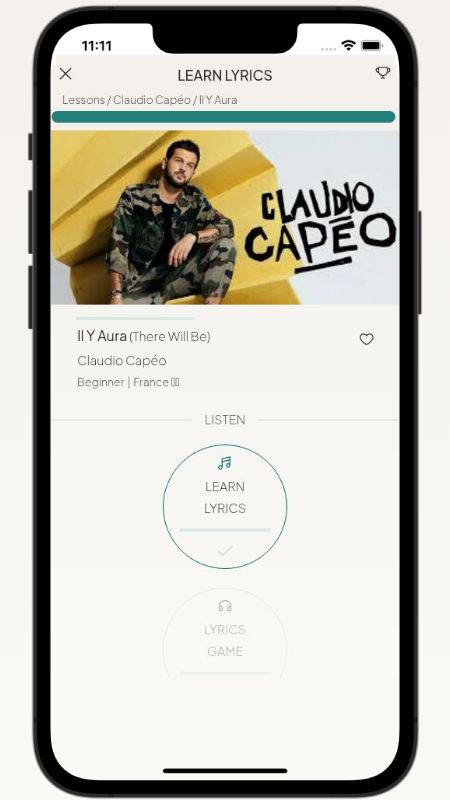
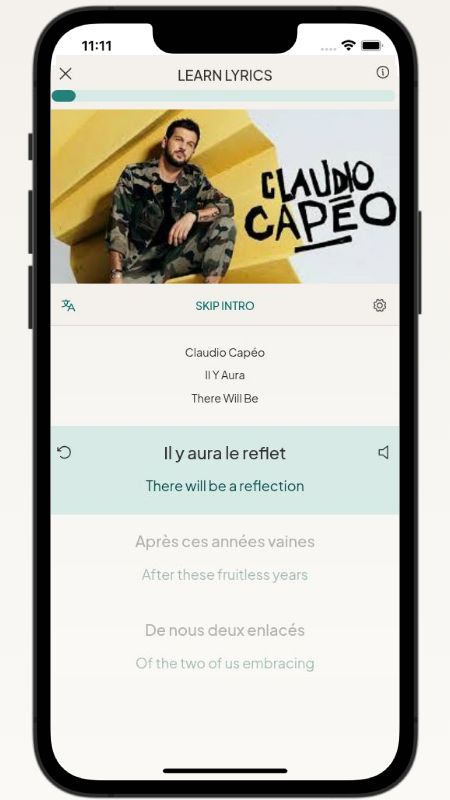
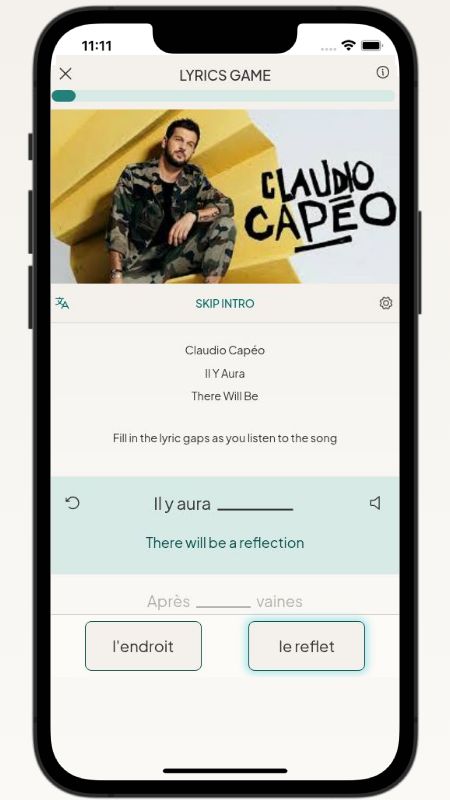
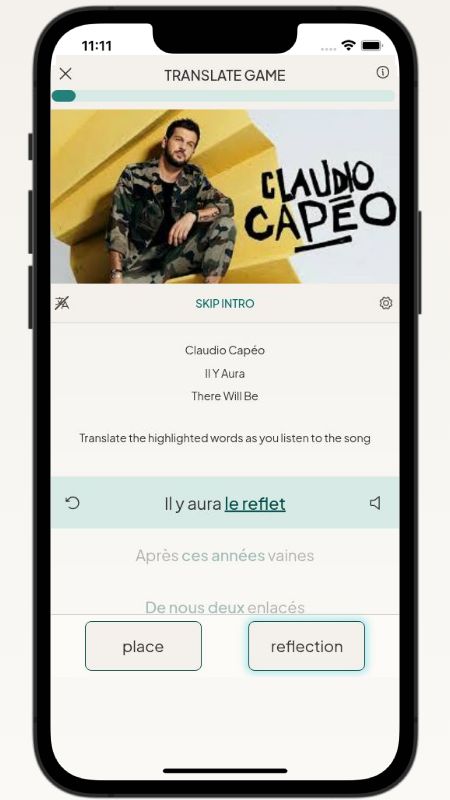
This song is a beautiful list of promises for the future. Claudio Capéo sings about what life will be like after a hard time has passed. It's a song full of hope, starting with a simple, romantic image of a couple together again: "Il y aura le reflet... de nous deux enlacés / Sur le bord de la seine" (There will be the reflection... of the two of us embracing / On the bank of the Seine).
But this isn't just about one couple. The song's vision grows to include friends, and then the responsibility of creating a better world for the next generation. The chorus repeats the line "Pour préparer l'endroit / Où nos enfants joueront" (To prepare the place / Where our children will play). It's not a fantasy of a perfect future, though. The song admits there will still be difficult times, saying "Il y aura de la peine / Des colères, du vacarme" (There will be pain / Anger, uproar). The answer, according to the song, is to find happiness in each other's joy and to tell stories that give hope when the future looks dark.