Ta Fête Lyrics in English by Stromae
Faire la fête literally means "to party" or "to celebrate". However, in French, the phrase faire SA fête à quelqu'un has a very different, idiomatic meaning: "to give someone a hard time," "to punish them," or even "to beat them up."
Stromae masterfully plays on this double meaning throughout the song. While the listener might initially think of a fun celebration, the lyrics quickly reveal a darker undertone, with the mother, the judge, and "everyone" wanting to "faire ta fête" in a punitive sense. This clever wordplay is central to the song's message and makes it incredibly engaging.
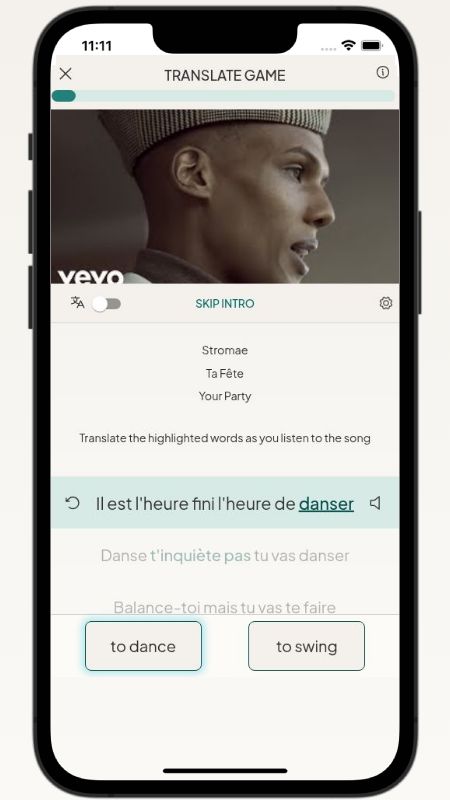
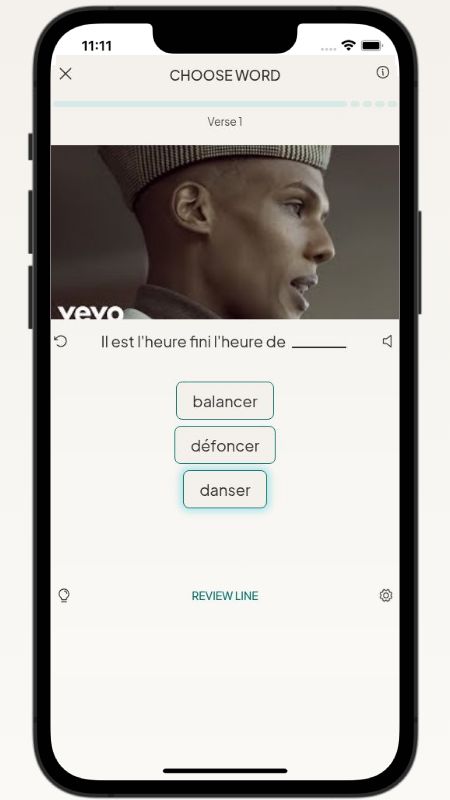
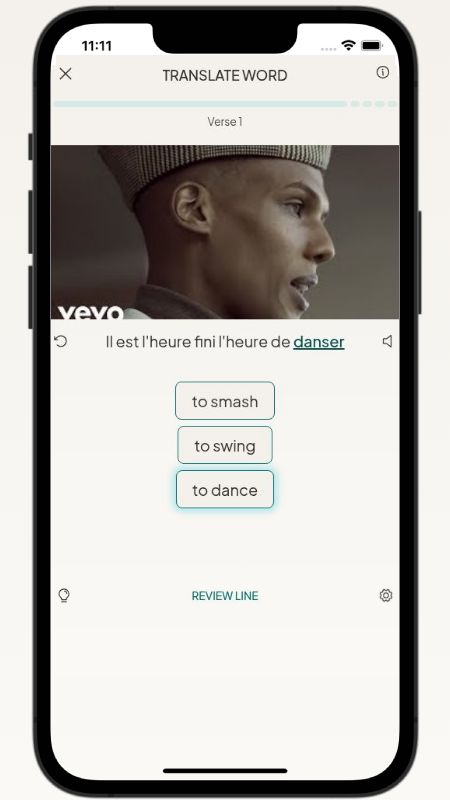
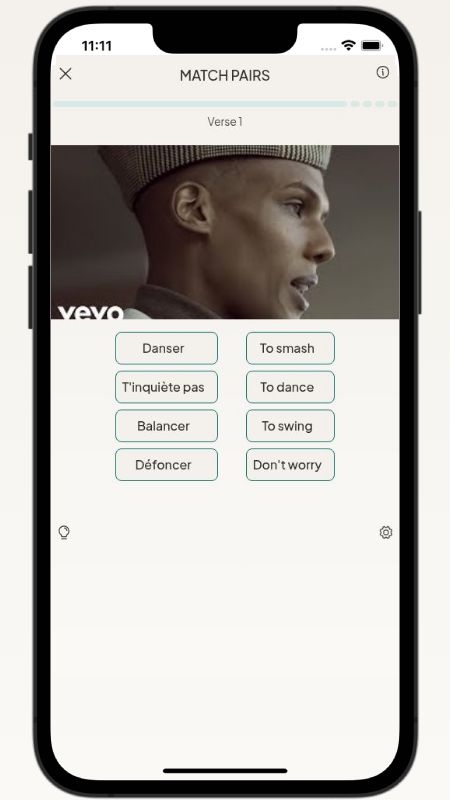
This is one of Stromae's darkest dance tracks, and it's all built on a clever, and kind of mean, play on words. The French phrase faire la fête means "to party." But the phrase faire sa fête à quelqu'un means to punish someone, or even to beat them up. The song's subject just wants to party: "Tu aimerais faire ta fête" (You'd like to have your party). The problem is, everyone else wants to punish them for it.
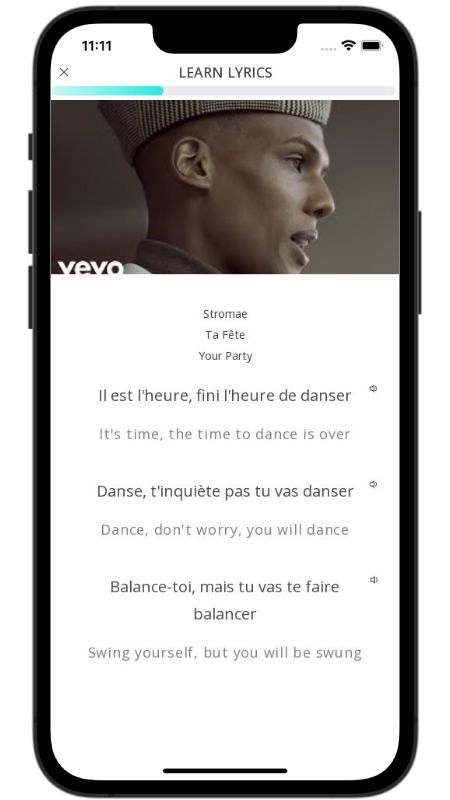
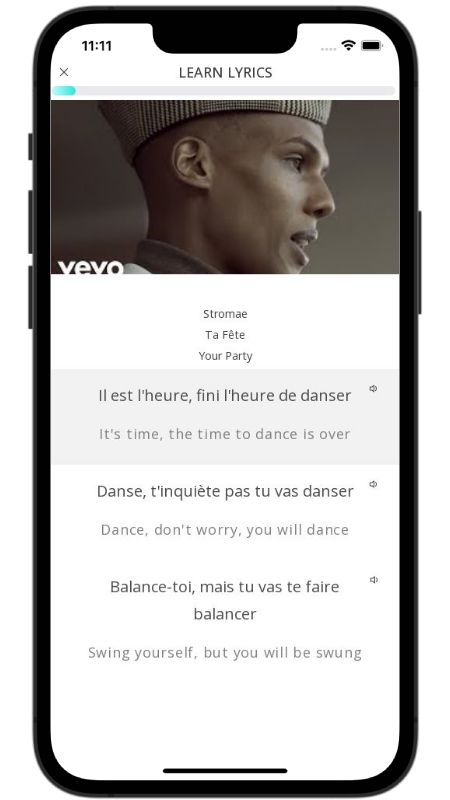
Stromae lists all the people who are ready to bring the hammer down. "Ta mère veut te la faire aussi, ta fête" (Your mother wants to have your party too), and so does "le juge" (the judge). It's a song about someone who lives for the moment, goes out too much, and blames everyone else for their problems. But the party is over. The lyrics warn that for every action, there's a consequence, often a harsh one. "Balance-toi, mais tu vas te faire balancer" (Swing yourself, but you're going to get thrown out).