Riez Lyrics in English by Stromae
Papiers literally means "papers", but in this context, it has a much deeper meaning. It refers to official documents like a visa, residency permit, or passport that grant a person the legal right to live and work in a country.
In the song, Stromae presents a series of dreams, from a rockstar's life to a simple family home. The final dream, however, is just to "have the papers" and eat every day. This stark contrast makes papiers a powerful word, highlighting themes of immigration, inequality, and the most basic human needs for security and belonging.
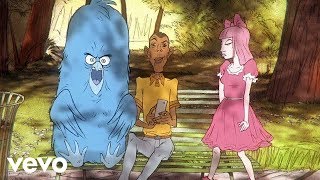
Belgian artist Stromae takes us on a fascinating ride through four very different definitions of success in "Riez" (which means "Laugh"). The track moves down the social ladder verse by verse. It kicks off with a fame-hungry dreamer who asks, "Pourquoi rêver petit?" ("Why dream small?"), imagining police escorts, a Grammy, and an actress wife. But right after, the scale drops. The next voice just wants a solid suburban life: an executive salary ("salaire d'un cadre"), an SUV ("le coupé quatre fois quatre"), and a detached house ("la villa quatre façades"—a classic Belgian real-estate term for a standalone property not touching any neighbors).
By verse three, the ambition shrinks to simple domestic peace: a loving family, a bicycle, and a vegetable garden ("un potager"). Then Stromae hits you with the starkest contrast of all. The final narrator doesn't know where they will sleep tomorrow. Their only wish is regular meals and legal status: "Moi, tant qu'j'ai les papiers" ("As long as I have my identity papers"). Each verse ends with the defiant taunt, "Riez, ouais, ouais, riez seulement" ("Laugh, yeah, yeah, just laugh"). It mocks anyone looking down on someone else's hopes, proving that your idea of a wild fantasy completely depends on what you have right now.