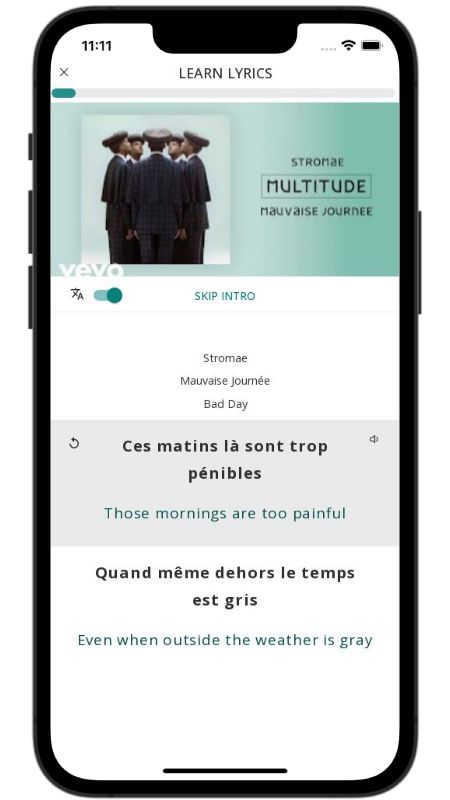
Mauvaise Journée Lyrics in English by Stromae
Cauchemars literally translates to "nightmares." It's a powerful and evocative word that immediately conjures images of dread and a deeply unpleasant experience.
In this song, Stromae uses "cauchemars" to describe his waking life, singing, "J'préfère dormir toute la journée si c'est pour vivre ce cauchemar" (I'd rather sleep all day if it's to live this nightmare). This metaphorical use perfectly captures the feeling of a day so terrible it feels like a bad dream, making it incredibly relatable and enticing for anyone who's ever had a truly awful day.
Stromae takes us on a brutally honest tour of a rain-soaked mood in “Mauvaise Journée.” From the very first line, the Belgian word-smith lists every tiny catastrophe a gray morning can offer: a stubborn bathroom mishap, boredom that seems to stretch forever, and that nagging voice asking whether anyone would notice if he disappeared. The mundane suddenly feels monumental, and Stromae turns everyday annoyances into a chorus of “Help me, I feel so alone,” showcasing how depression can shrink the world to the size of one’s living room chair.
Beneath the self-deprecating humor and catchy beat lies a deeper message about mental health. The singer flips the classic glass-half-full idea on its head, admitting he only sees it half empty, yet still clings to “une lueur” – a faint hope that tomorrow might be brighter. By blending dark comedy with sincere vulnerability, Stromae reminds listeners that feeling low is a universal human experience, and that voicing those feelings can be the first step toward finding the light again.