Cuando Es Amor Lyrics in English by Yuridia
Aprisiona translates to "imprisons" or "traps". It's a strong and evocative verb that immediately brings to mind a sense of confinement and struggle.
In the song, Yuridia sings, "Pero el pasado mira, ya no me aprisiona" (But the past, look, it no longer imprisons me). This powerful line uses the word metaphorically to express freedom from past pain and emotional baggage, making it a compelling word choice that resonates with the song's theme of overcoming heartbreak.
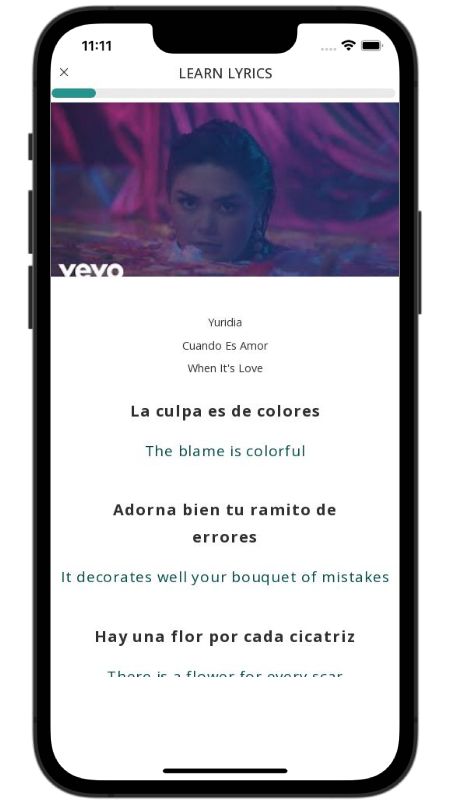
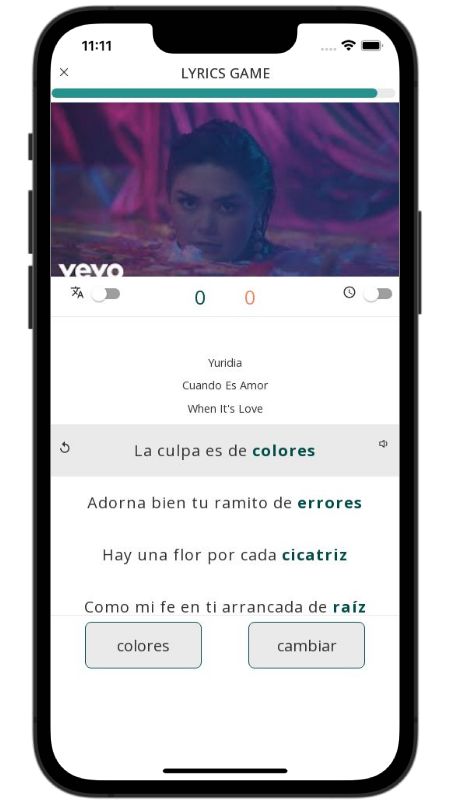
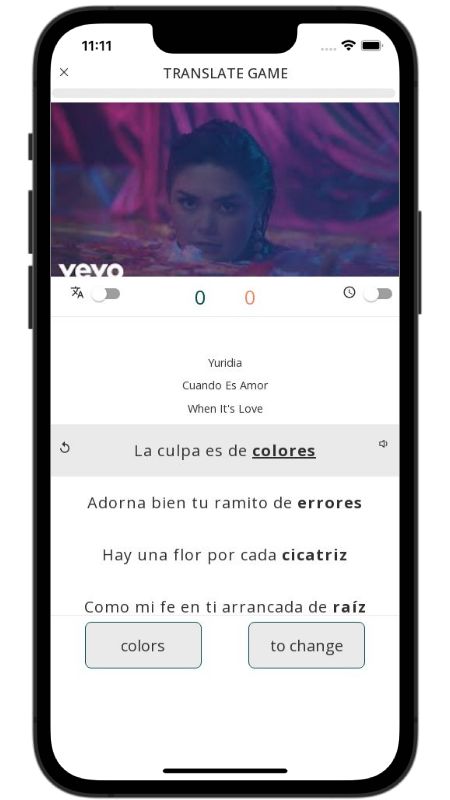
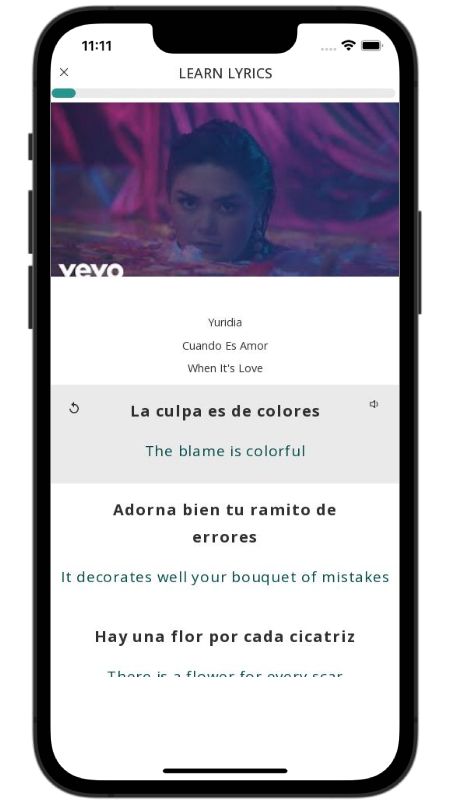
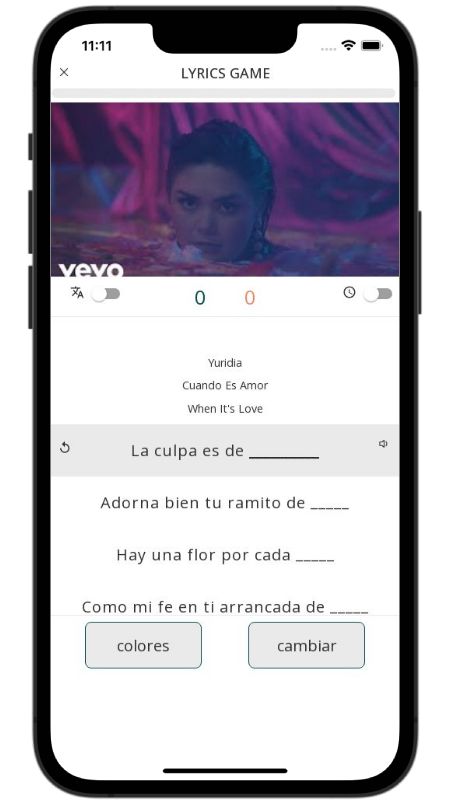
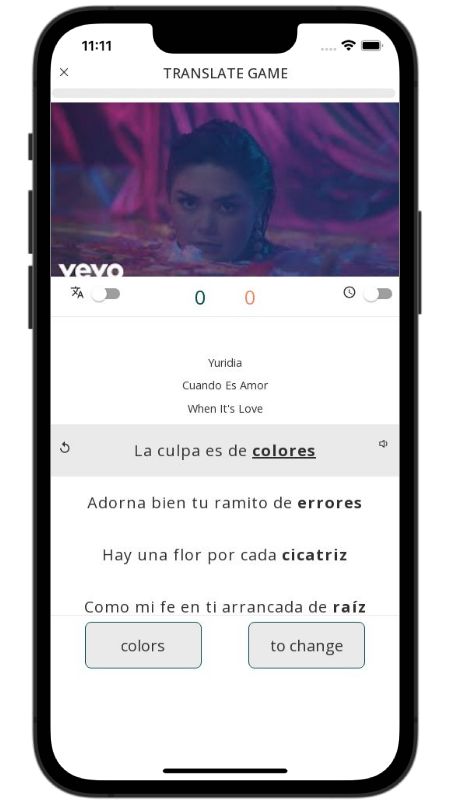
Cuando Es Amor is Yuridia’s powerful reminder that true love should be a lifeline, not an anchor. Through vivid images of colorful guilt bouquets, scars that bloom like flowers, and a faith ripped out by the roots, she paints the story of a romance that only dragged her deeper underwater. The chorus becomes a bold mantra: “Cuando el amor es amor no te duele, te cura… no te resta, te suma.” Real love heals, real love adds — anything else is just pain in disguise.
With every verse, the Mexican singer trades heartbreak for self-rescue. She cancels the future she once imagined, seals a pact with the wind to scatter the memories, and declares her armor bullet-proof against empty promises. The song is a fierce celebration of reclaiming your voice, trusting your heart’s warning sirens, and walking away from anyone who makes you feel less than you are. In short, Yuridia turns a toxic goodbye into a soaring, liberating anthem that teaches: if it doesn’t heal or uplift you, it was never truly love.




















![Te Equivocaste [Primera Fila] Lyrics Translation](https://img.youtube.com/vi/-pYscaBMzSw/mqdefault.jpg)