Quien Es El? Lyrics in English by Eslabon Armado
Aferré comes from the verb aferrarse, which means 'to cling to', 'to hold on tightly', or 'to be stubbornly attached to something or someone'. It's a powerful verb that goes beyond simply 'loving' or 'wanting'.
In the context of this song, the singer laments, "Me aferré y perdí todo, me enamoré" (I clung on and lost everything, I fell in love). This word perfectly encapsulates the intense, perhaps desperate, attachment the singer felt, which ultimately led to their heartbreak and loss. It's a vivid way to express deep emotional investment.
This song is for anyone who's ever had their heart broken and then had to watch their ex move on with someone new online. The singer is asking one simple, painful question: “¿Y quién es él?” [And who is he?]. He sees his ex posting this new guy on social media, “posteando por las redes,” and taking him to all the same spots they used to go. He can't help but wonder if she's actually happy or if she's just doing it to make him angry: “¿O nomás lo haces para enojarme?” [Or are you just doing it to make me mad?].
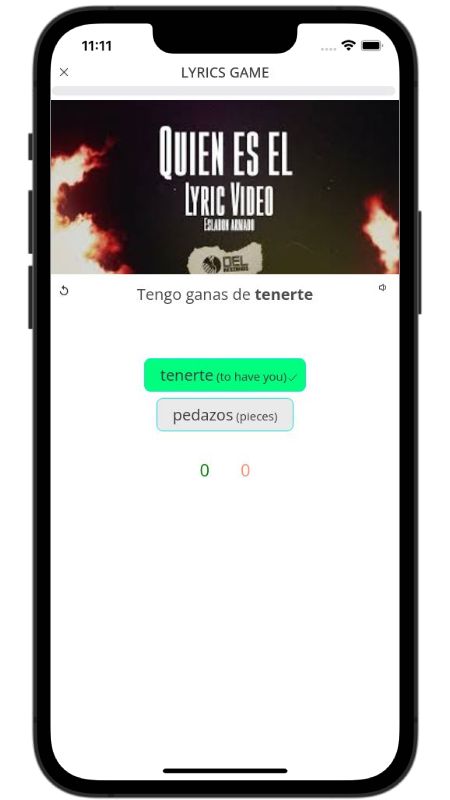
The feeling of being completely shattered comes through in every line. He says, “Me quebraste y te vale” [You broke me and you don't care], and that his heart is now “en pedazos” [in pieces]. He feels like he loved her completely, “hasta la muerte” [to death], and now he's left with nothing. Even after all that hurt, he ends with a surprisingly kind thought: “Te deseo todo el bien” [I wish you all the best].