SOLO PA' DECIR Lyrics in English by Eslabon Armado
Borro comes from the verb borrar, meaning to erase or delete. While it's a common verb, its use here is particularly poignant and relatable.
In the song, the artist sings, "De eso yo no me borro," which translates to "I don't erase that from myself" or "I can't erase that." It refers to the vivid memories of a past relationship, emphasizing the lasting impact of those moments despite the pain of separation. This makes it an emotionally charged and memorable word in the context of the lyrics.
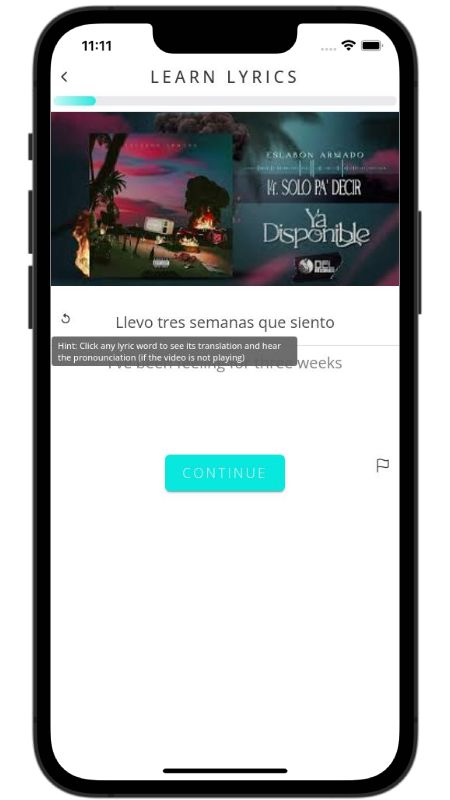
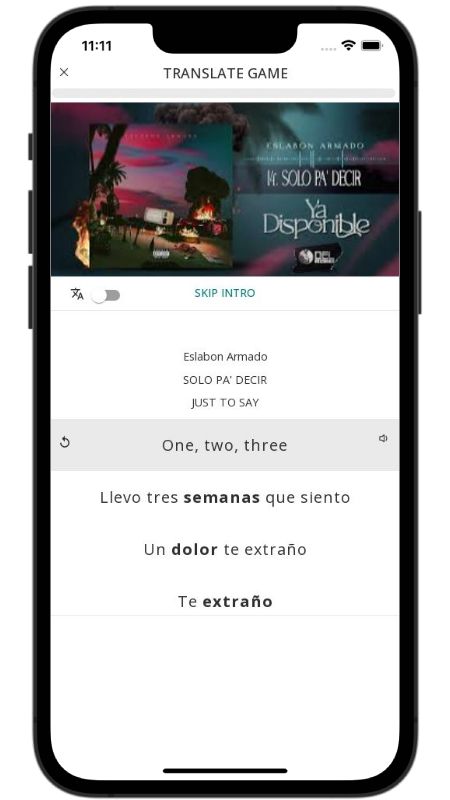
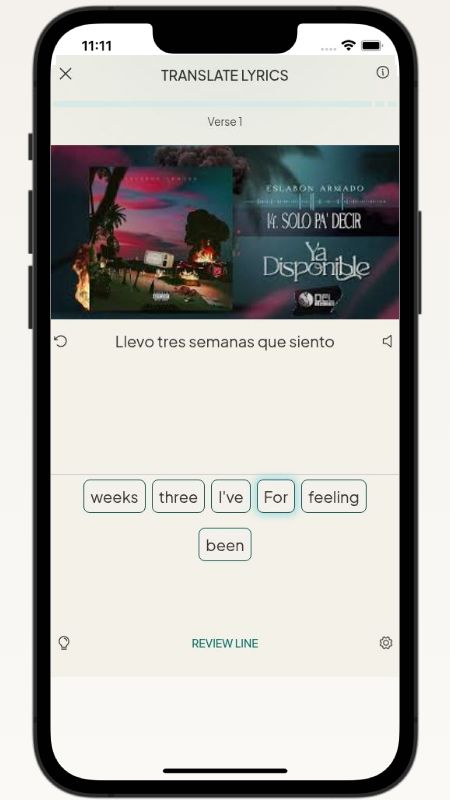
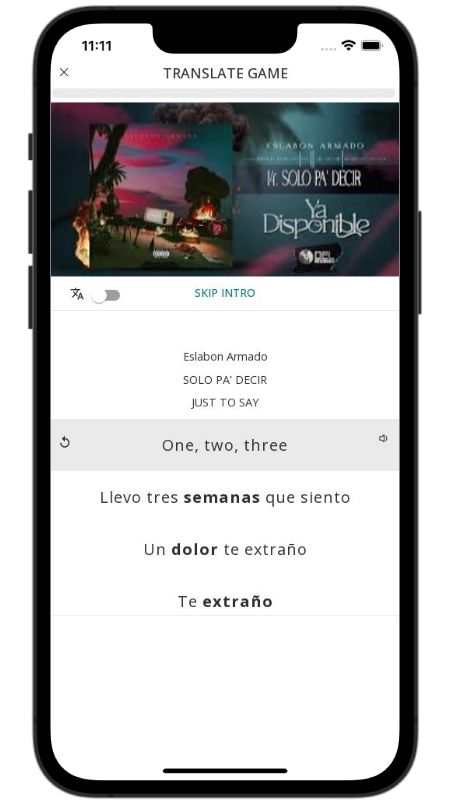
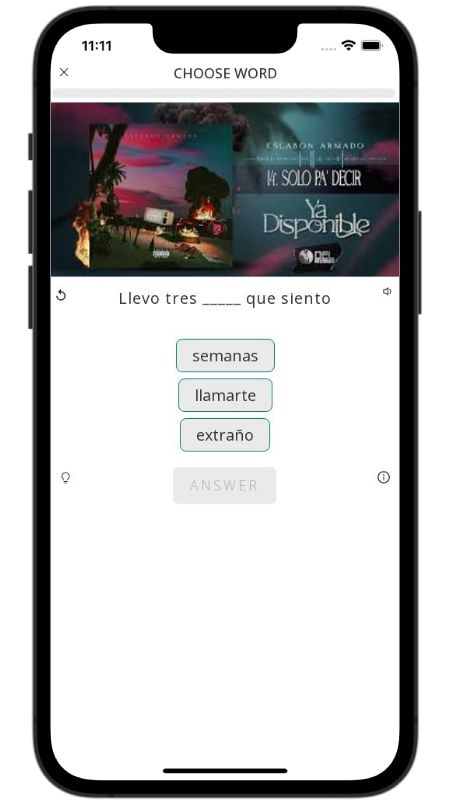
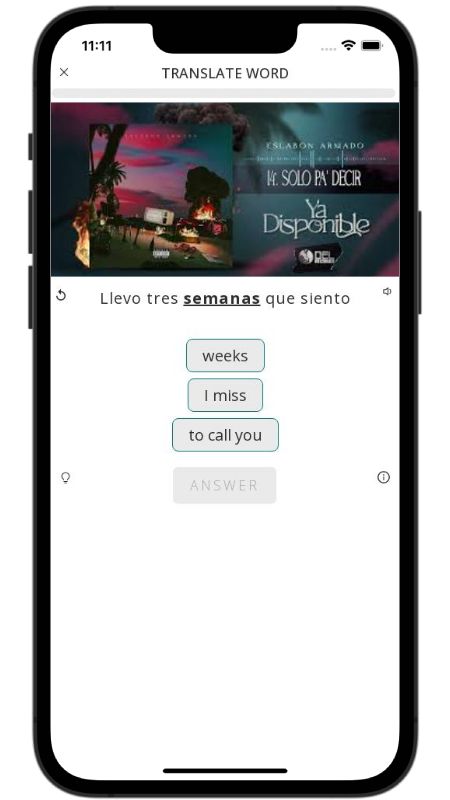
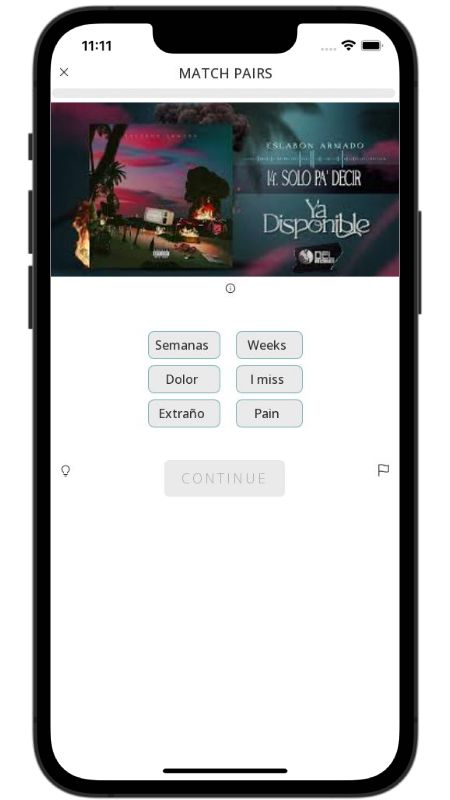
Ever had that feeling after a breakup where you just have to tell your ex one last thing? That's exactly where Eslabon Armado is in this song. It's been three weeks since the split, and he's feeling it: "Llevo tres semanas que siento / Un dolor, te extraño" (It's been three weeks that I feel / a pain, I miss you). He's remembering everything, from the passionate moments to the small, intimate details like the jokes she used to tell him at night.
The whole song builds up this intense urge to get in touch. He wants to call her and "Recordarte cuánto te amé" (Remind you how much I loved you). But the title gives away his simple, almost desperate, mission. He wants to do all this "Sólo pa' decir eso" (Just to say that). It's not about getting back together or starting a fight, it's just about making sure she knows how much he valued their time together. It's a super direct and relatable feeling.