Jugaste Y Sufrí Lyrics in English by Eslabon Armado, DannyLux
Ahogo comes from the verb ahogar and literally means "I drown" or "I suffocate". It's a word packed with drama and desperation.
In this song, the singer uses it metaphorically in the line "Me ahogo en mis lágrimas" (I drown in my tears). This isn't about literal drowning; it's a powerful, poetic way to describe the overwhelming feeling of being consumed by sadness after a painful breakup. It's a fantastic example of how Spanish uses vivid imagery to express deep emotion.
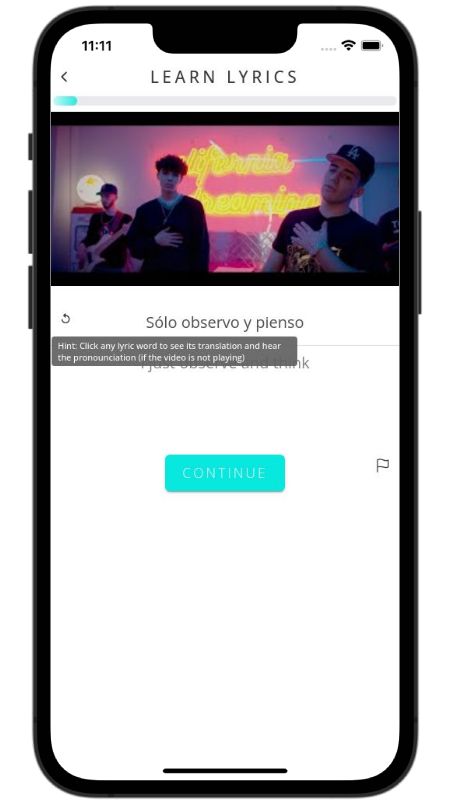
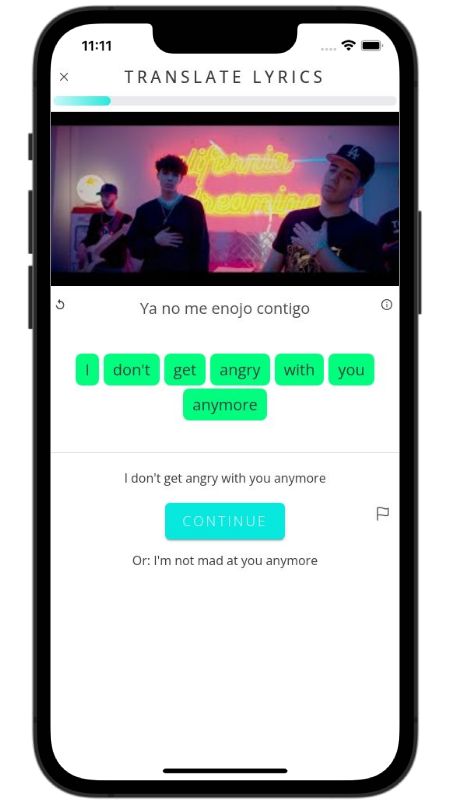
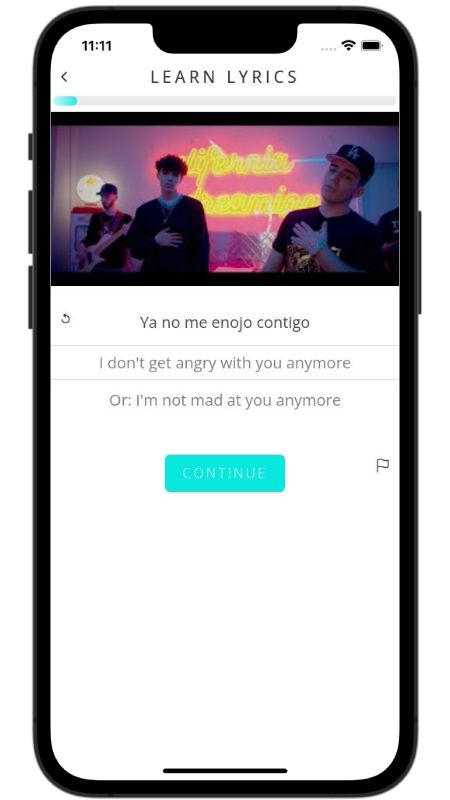
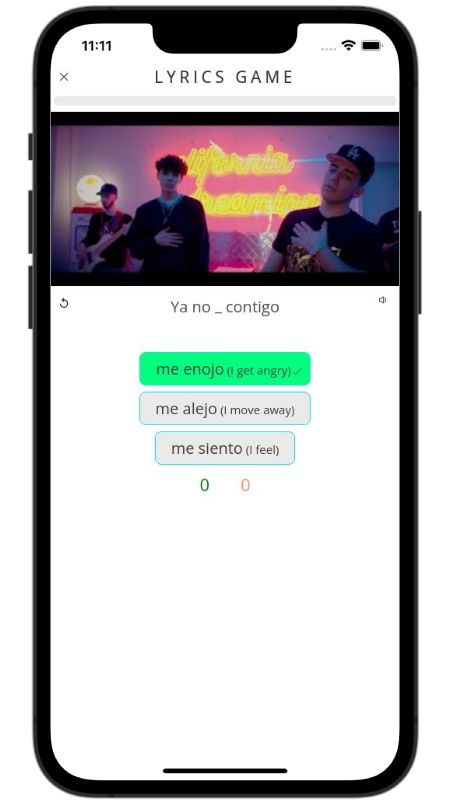
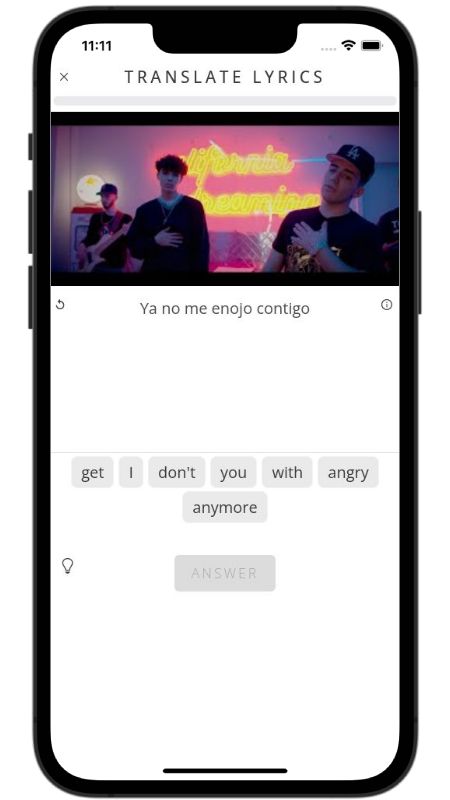
If you have ever found out someone was cheating just by checking your phone, "Jugaste Y Sufrí" hits right at home. Eslabon Armado and DannyLux team up to describe the exact moment you stop arguing and just walk away: "Ya no me enojo contigo, sólo observo y pienso" [I don't get mad at you anymore, I just watch and think]. The song drops you right into the gut-punch discovery when the narrator spots his partner with someone else, calls to confirm it, and gets sent straight to voicemail. He gives up completely after realizing "tu amor es veneno" [your love is poison] and admits "tú me dejaste en cero" [you left me at zero / you left me with nothing].
What makes this track so memorable is how dramatically sad the imagery gets. At one point, he admits "lloro cuando hay lluvia porque cuando lo hago nadie me escucha" [I cry when it rains because when I do nobody hears me], which is theatrical, but totally fits the mood. Between the shout-outs ("¿O no, mi compa' Danny? Compa' Pedro" [Right, my buddy Danny? Buddy Pedro]), he tries to numb the pain with a couple of drinks: "con un bote o con dos, con eso te olvido" [with a beer can or two, with that I forget you]. Bote is Mexican slang for a can of beer here. By the end, he realizes his future looks a lot better without her in it.