La Bohème Lyrics in English by Charles Aznavour

Below, I translated the lyrics of the song La Bohème by Charles Aznavour from French to English.
I'm telling you about a time
That kids under twenty
Can't possibly know
Montmartre back then
Hung lilacs
Right under our windows
And if the humble boarding room
That served as our nest
Didn't look like much
That's where we met
Me, who was starving
And you, who posed nude
Bohemia
Bohemia
It meant we're happy
Bohemia
Bohemia
We only ate every other day
In the nearby cafés
There were a few of us
Waiting for glory
And although penniless
With empty stomachs
We never stopped believing
And when some bar
For a good hot meal
Took one of our canvases
We'd recite verses
Huddled around the stove
Forgetting winter
Bohemia
Bohemia
It meant you're pretty
Bohemia
Bohemia
And we all had genius
Often I'd find myself
In front of my easel
Pulling all-nighters
Touching up the drawing
Of the line of a breast
Of the swell of a hip
And only at dawn
Would we finally sit
In front of a café crème
Exhausted but thrilled
How we had to love each other
And love life
Bohemia
Bohemia
It meant we're twenty
Bohemia
Bohemia
And we lived on air alone
When by chance some day
I go take a walk
To my old address
I don't recognize
Either the walls or the streets
That saw my youth
At the top of a staircase
I look for the studio
Of which nothing's left
In its new décor
Montmartre seems sad
And the lilacs are dead
Bohemia
Bohemia
We were young, we were crazy
Bohemia
Bohemia
It doesn't mean anything anymore at all
Lyrics and Translations Licensed & Provided by LyricFind
Lyrics © EDITIONS MUSICALES DJANIK
Did you like this lyrics translation?

l'air du tempsthe spirit of the times

L'air du temps literally translates to "the air of the times". It's a classic French idiom that refers to the prevailing mood, style, or spirit of a particular period.

In "La Bohème," Charles Aznavour sings "nous vivions de l'air du temps" (we lived on the air of the times). This beautifully captures the essence of their youthful, artistic poverty: they had no money for material things, so they sustained themselves on creativity, love, and the vibrant, carefree spirit of the moment.

Charles Aznavour looks back on his youth as a starving artist in the Montmartre neighborhood of Paris, a time he says people under twenty today just can't understand. He and his lover lived in a shabby little room, but it was their world. He was literally crying famine—"Moi qui criais famine" [I who cried famine]—while she posed nude for his paintings. It was a life of romantic poverty. They defined this as La bohème, which to them meant "we are happy," even though, as he says bluntly, "Nous ne mangions qu'un jour sur deux" [We only ate one day out of two].

Years later, he walks through the same streets but recognizes nothing. He looks for his old studio, but it's gone, replaced by a "new decor" that makes Montmartre seem sad. Even the flowers are gone: "Et les lilas sont morts" [And the lilacs are dead]. The song is a bittersweet memory of a time when being young, in love, and full of artistic dreams was enough to survive on. Back then, La bohème meant they were young and crazy. Now, looking back from the present, he says the phrase "Ça ne veut plus rien dire du tout" [It doesn't mean anything at all anymore].

Did you know?
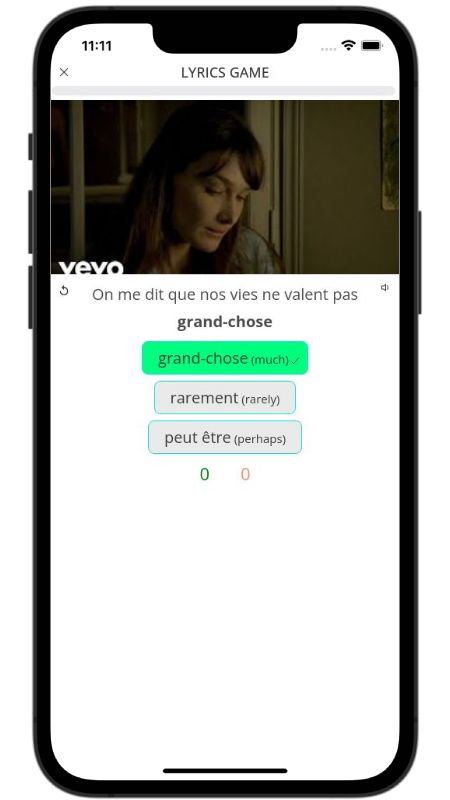
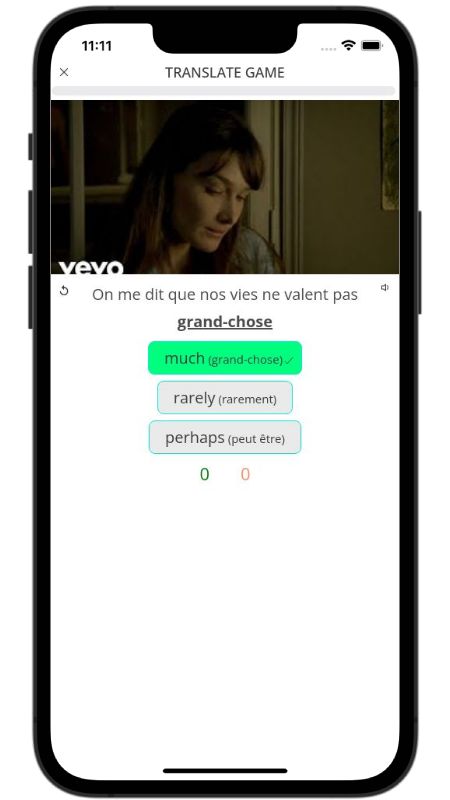
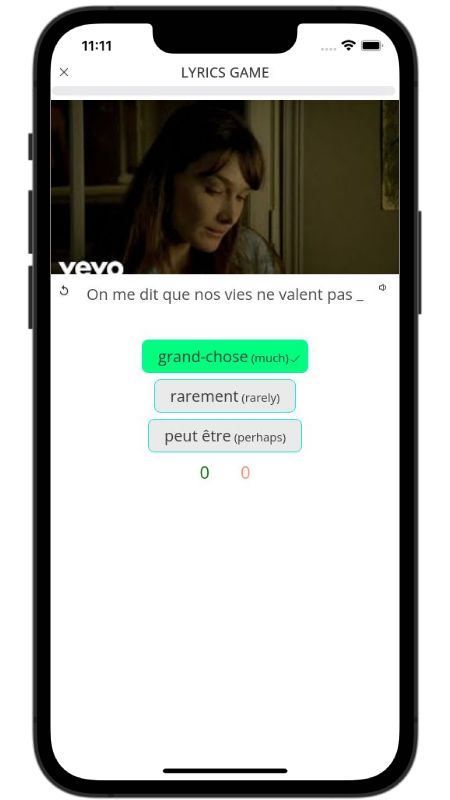
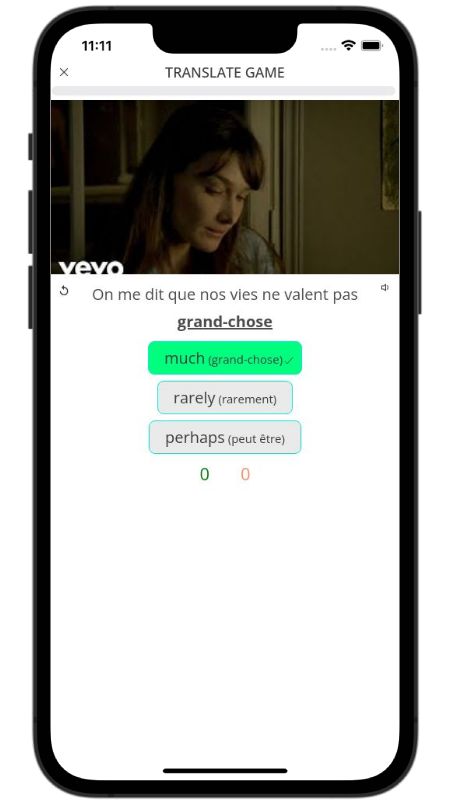
In addition to reading lyric translations, you can now learn French with music and lyrics from your favorite artists.
No more boring lessons. You can now learn with engaging and culturally relevant lyrics from the best artists.
LEARN SPANISH WITH MUSIC
Learn French with music with 0 lyric translations from various artists including Charles Aznavour
Check out our mobile app
Download on the App Store
Get it on Google Play
Rated 4.9 · Join 250,000+ learners
Rated 4.9 stars
Learn French with lessons based on similar songs!
Get it on Google Play
Download on the App Store
Rated 4.9 · Join 250,000+ learners
Apple and App Store are trademarks of Apple Inc.
Google Play and the Google Play logo are trademarks of Google LLC.
MORE VERIFIED TRANSLATIONS
MORE CHARLES AZNAVOUR