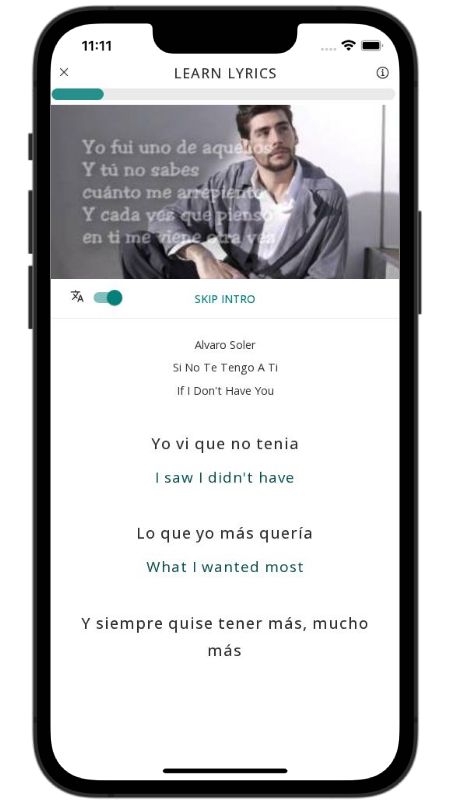
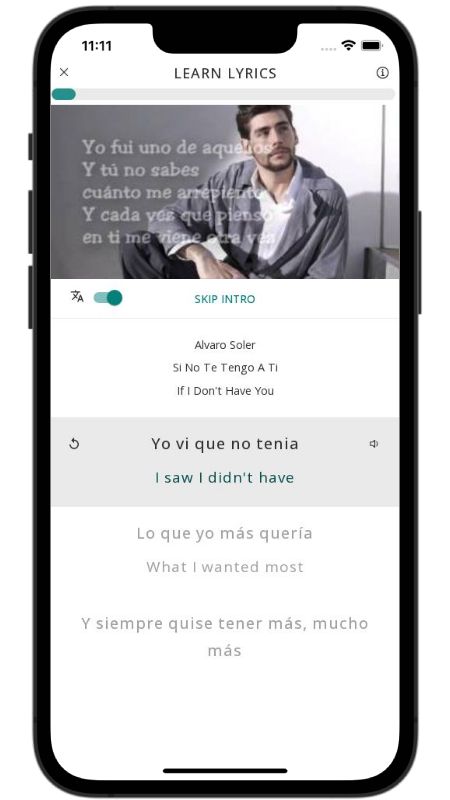
Si No Te Tengo A Ti Lyrics in English by Alvaro Soler
Me arrepiento means "I regret it." It's a powerful and emotional phrase that comes from the reflexive verb arrepentirse, which is a great grammar concept to learn.
In the song, Alvaro Soler sings, "tú no sabes cuánto me arrepiento" (you don't know how much I regret it), expressing deep remorse for being 'blind' and focusing on material wealth instead of his love. This word is the emotional heart of the song, capturing his moment of profound realization.
Spanish pop star Alvaro Soler delivers a classic realization in "Si No Te Tengo A Ti": all the luxury toys in the world mean zero if you end up alone. He admits right off the bat that greed got the best of him, singing "Me quedé en la superficie" [I stayed on the surface] because he was blind and constantly chasing more. The track is full of straight-up regret ("tú no sabes cuánto me arrepiento" [you don't know how much I regret it]), especially when he looks back on how he lost what actually mattered.
His checklist of useless wealth is absurdly over-the-top, and that is what makes the hook stick. He rattles off "Una casa en una isla" [A house on an island], "Diamantes y cien coches" [Diamonds and a hundred cars], and "Aviones, mansiones" [Planes, mansions], only to dismiss every single item with "Así no quiero vivir" [I don't want to live like this] without this person. In Spanish, the line "No te das cuenta de nada" literally means "you don't realize anything" (from the phrase darse cuenta, meaning to realize), nailing that moment when someone only figures out their mistakes after everything is gone.