No Me Dejes Nunca Lyrics in English by Fuerza Regida
Virtud means "virtue," a word describing a high moral standard or a particularly good quality. It's a beautiful and somewhat formal word that you don't hear in every song.
In this heartfelt track, the singer praises his partner with the line, "Ser muy buena es tu virtud" (Being very good is your virtue). Using virtud elevates the compliment, suggesting this goodness is a core, admirable part of her character, making his plea for her to stay even more powerful.
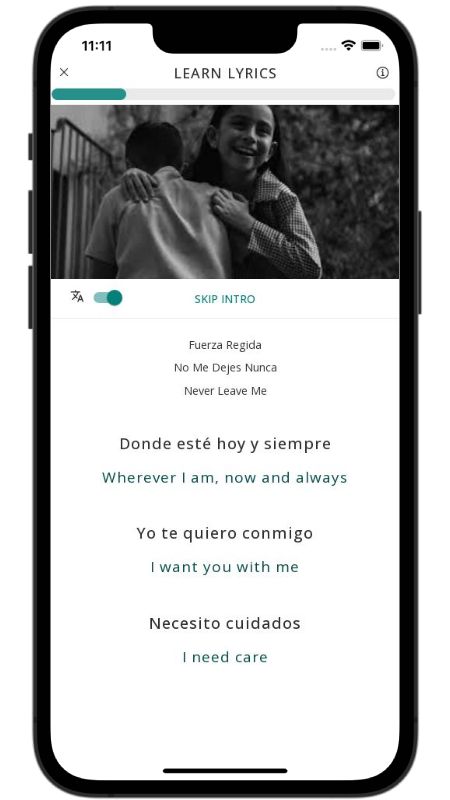
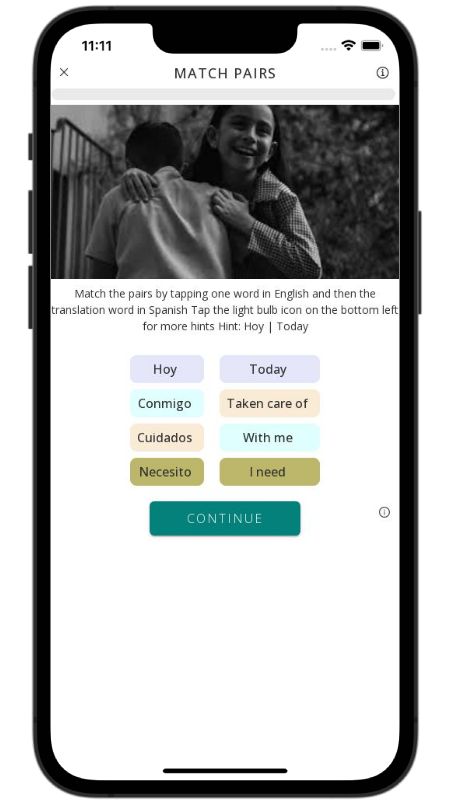
Fuerza Regida takes a break from tough street stories to drop a completely shameless love pledge in this Corrido Tumbado track. The lyrics do not hold back on emotional dependence. From the very first lines, the singer admits he cannot handle life alone: "Necesito cuidados, necesito de ti" ["I need care, I need you"]. He asks his partner not to let him travel solo, praising how well she looks after him with "Tú me sabes bien cuidar, tú me sabes bien guiar" ["You know how to take good care of me, you know how to guide me well"]. It is direct, honest, and puts all his cards on the table.
The real punch comes when he tries to figure out how to repay her for all that affection. He asks "Cómo te puedo pagar todo lo que haces por mí" ["How can I pay you back for everything you do for me"] and decides his only currency is existence itself: "Solamente con mi vida, ten mi vida, te la doy" ["Only with my life, take my life, I give it to you"]. Then comes the dramatic, repeated plead: "Pero no me dejes nunca, nunca, nunca / Te lo pido por favor" ["But never, never, never leave me / I am asking you please"]. It is totally over the top in the best way possible, showing a vulnerable side where love feels like a life-or-death necessity.