Padam, Padam Lyrics in English by Edith Piaf
Chahut means "uproar," "commotion," or "ruckus." It's a wonderfully evocative French word that paints a picture of noisy, boisterous chaos.
In the song, Edith Piaf sings, "Écoutez le chahut qu'il me fait" (Listen to the uproar it's making inside me). She uses this word metaphorically to describe the intense emotional turmoil stirred up by the haunting melody, as if all her past memories are loudly parading through her mind. This powerful image captures the feeling of being overwhelmed by music and memory.
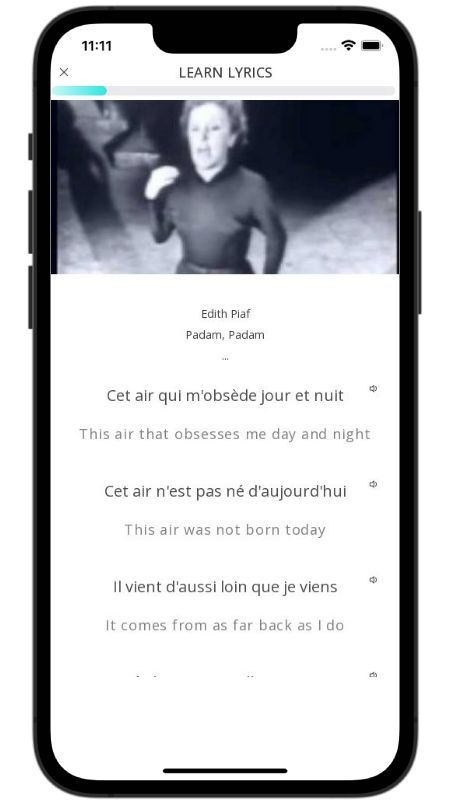
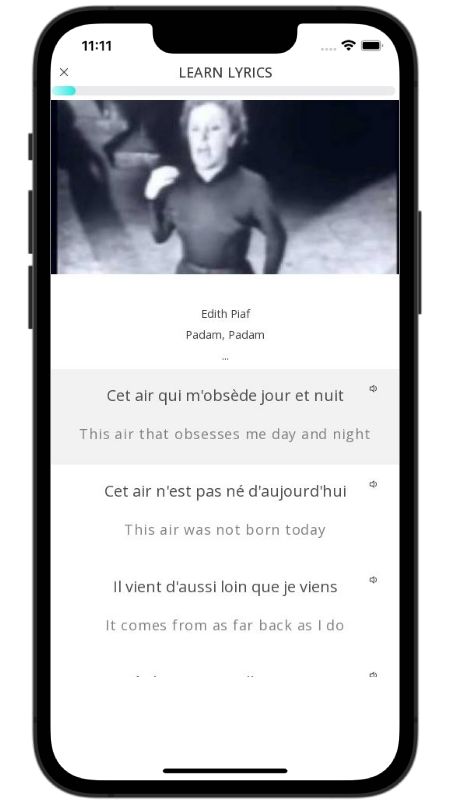
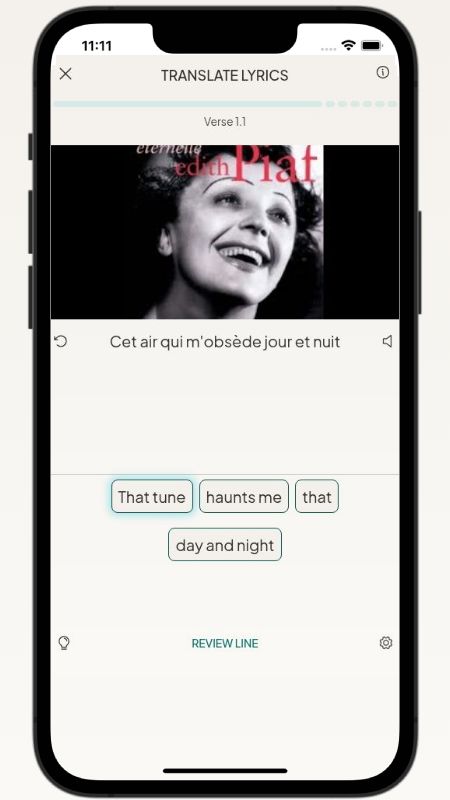
Have you ever had a song get stuck in your head? Not just for an hour, but for your whole life? That's what Edith Piaf is singing about in "Padam, Padam." She describes a tune that follows her everywhere, one she says will one day drive her mad: "Un jour cet air me rendra folle" (One day this tune will drive me mad). It's not a real song playing on the radio, but the sound of her own memory. This tune has a life of its own; it speaks before she can and its voice drowns out her own. It's the sound of her past running up behind her to play the "coup du souviens-toi" (the 'remember this?' trick).
This relentless tune forces her to look back at her past loves. It tells her, "Rappelle-toi tes amours" (Remember your loves), and brings back the whole performance of romance, from passionate declarations to cheap promises of forever. The tune knows all her secrets, and it feels like it's pointing a finger at her, making her drag her past around "Comme une drôle d'erreur" (Like a strange mistake). The repeating "Padam, padam" is like a heartbeat, the rhythm of a past that is always present and beating inside her like a "coeur de bois" (a wooden heart).